

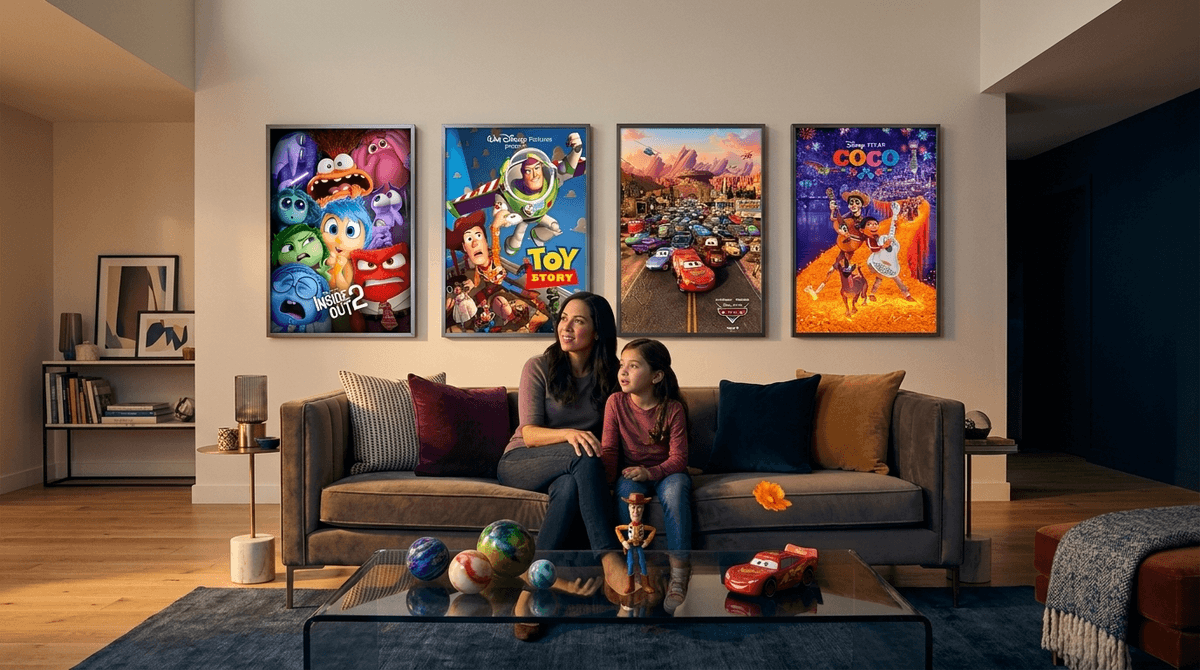
TL;DR: The Pixar Cheat Sheet
If you’re standing in front of the TV with a toddler who is five minutes away from a meltdown or a tween who thinks everything is "mid," here is the lightning-fast breakdown:
- Best for Toddlers (2-4): Cars and Monsters, Inc.. Low peril, high visual stimulation.
- Best for Little Kids (5-7): Luca and Finding Nemo. Gentle lessons on friendship and independence.
- Best for Big Kids (8-10): Incredibles 2 and Elemental. Faster pacing and slightly more complex social dynamics.
- Best for Tweens (11+): Inside Out 2, Turning Red, and Elio. These deal with heavy hitters: anxiety, puberty, and the existential dread of being "the chosen one."
Get movie night recommendations based on your kid's specific fears
We’ve all been there. You think, "It’s Pixar! It’s Disney! It’s fine!" and then suddenly you’re thirty minutes into Coco trying to explain the concept of the "final death" to a five-year-old who just wanted to see a funny skeleton.
Pixar is the gold standard of animation, but they are also the kings of the "emotional gut-punch." As we head into 2026, the library has grown even more complex. We’ve moved past simple toys coming to life and into the territory of personified panic attacks and intergalactic identity crises.
This isn't just about "is there bad language?" (usually no). It’s about "will this movie require a three-hour therapy session afterward?" Here is how to rank the Pixar catalog by maturity, not just by "brightness."
At this age, "plot" is a loose concept. You want bright colors, clear character designs, and—most importantly—very little "peril."
This is the ultimate toddler gateway drug. It is essentially 117 minutes of things that go "vroom." The stakes are low (a race), the colors are primary, and the "villain" is just a jerk, not a monster. If your kid is obsessed, you can also safely pivot to the Cars on the Road shorts.
While "monsters in the closet" sounds scary, the movie immediately flips the script to show that the monsters are actually terrified of the kids. It’s a great way to de-escalate nighttime fears. Just be ready to skip the "Scream Extractor" scene if your little one is particularly sensitive.
The original is still a masterpiece, though I have to give a warning: Sid’s house is basically a toddler’s first horror movie. Those "mutant toys" can be nightmare fuel for the 3-and-under crowd. If you have a sensitive kid, maybe start with Toy Story 4 which is much "softer" visually.
This is the sweet spot. Kids this age can handle a bit of a "scary" journey as long as there’s a happy ending and a clear moral.
This is arguably the most "gentle" modern Pixar film. It’s about summer, gelato, and a secret identity (being a sea monster). The "villain" is a local bully, and the stakes are winning a triathlon. It’s a perfect "low-anxiety" watch.
A classic, but let's be real: the first three minutes (the barracuda scene) are brutal. Once you get past the trauma of Nemo’s mom, it’s a brilliant story about boundaries. It’s actually a better watch for parents who struggle with "helicoptering" than it is for the kids.
Often forgotten, but it’s great for this age group. It teaches the "strength in numbers" concept and has some of the best side characters in the Pixar universe. Hopper can be a bit intense, but the "fake bird" climax is pure slapstick gold.
Check out our guide on the best low-stimulation shows for younger kids
By now, kids are navigating complex friendships and starting to realize that the world isn't always fair. Pixar really starts to flex its emotional muscles here.
On the surface, it’s a rom-com about fire and water. In reality, it’s a deeply nuanced story about the immigrant experience, parental expectations, and "the weight of the sacrifice." It’s a great conversation starter about family heritage.
This is basically a James Bond movie disguised as a superhero flick. There is actual "danger" here—villains who want to commit genocide, marital tension, and some pretty intense action sequences. It’s high-octane and perfect for the 8+ crowd who find "baby movies" boring.
A bit more "sophisticated" and slower-paced. It’s a movie about artistry and passion. Younger kids might get bored by the kitchen politics, but 9-year-olds usually find the "rat-controlling-a-human" slapstick hilarious.
These are the movies that deal with the "messy" stuff. Puberty, existentialism, and the realization that your parents are just people.
Released in 2024, this has become the "required reading" for middle school. It introduces Anxiety, Envy, and Ennui. While the first Inside Out was about sadness, the sequel is about the "Sarcasm Chasm" and the internal belief system that starts to crack during puberty. It’s brilliant, but it might hit too close to home for a kid currently in the middle of a panic attack.
Let’s be direct: this is a movie about periods. Not literally, but the "Red Panda" is a very clear metaphor for puberty, body changes, and the intense emotions of a 13-year-old girl. It’s funny, loud, and might be "cringe" for some kids, but it’s the most honest depiction of the tween years Pixar has ever done.
The big 2025 release. Elio is a sci-fi epic about an underdog kid who is beamed up to space and accidentally becomes the ambassador for Earth. It’s visually stunning but deals with some heavy themes of "not fitting in" and the pressure of representing an entire species. It’s "sci-fi soul-searching" at its best.
I’m going to be honest: this movie is for the parents. A kid might like the "cat" scenes, but the themes of "What is my purpose?" and "Is my life a failure?" are very heavy. Save this for a rainy Sunday when you want to have a deep talk with your 12-year-old.
We often use movies as "digital babysitters," and while Pixar is generally "safe," the emotional load of these films is high. If your family is currently going through a loss, watching Up (specifically that first 10-minute montage) might be a bit much. If your kid is struggling with school stress, Inside Out 2 could either be a huge relief or a trigger.
Screenwise isn't about banning these movies—it's about context. Knowing that Turning Red mentions pads and puberty helps you decide if you're ready for that conversation at the dinner table.
- The "Villain Reveal": Pixar loves a "surprise villain" (think Toy Story 3 or Coco). This can be jarring for kids who have already bonded with the character.
- The "Dead Parent" Trope: It’s a Disney staple, and Pixar isn't immune. Finding Nemo, The Good Dinosaur, and Onward all deal with parental loss in very direct ways.
- The "Boredom Factor": Movies like Wall-E are cinematic masterpieces, but the first 40 minutes have zero dialogue. For a kid raised on YouTube Shorts, this might feel like "brain rot" in reverse. They might need help leaning into the slow pace.
If you’re watching these together, use the "Pause and Pivot" method.
- During Inside Out 2: "Which of those characters is 'at the console' in your head right now?"
- During Coco: "What do you want people to remember about you one day?"
- During Elio: "If you had to represent Earth to aliens, what’s the first thing you’d show them?"
Pixar isn't just "cartoons." It’s an emotional curriculum. Start with the "vroom vroom" of Cars and work your way up to the existential sci-fi of Elio.
Just make sure you have a box of tissues nearby. Not for the kids—for you.
- Check the WISE score: Before you hit play, check the Screenwise page for any Pixar movie to see what other parents in your community are saying.
- Plan a Marathon: If you have a rainy weekend, try watching a "growth" marathon—start with Toy Story and end with Toy Story 4 to talk about how characters (and kids) change over time.
- Ask the Bot: Not sure if your 6-year-old can handle the "incinerator scene" in Toy Story 3?
See a timestamped parent warning