

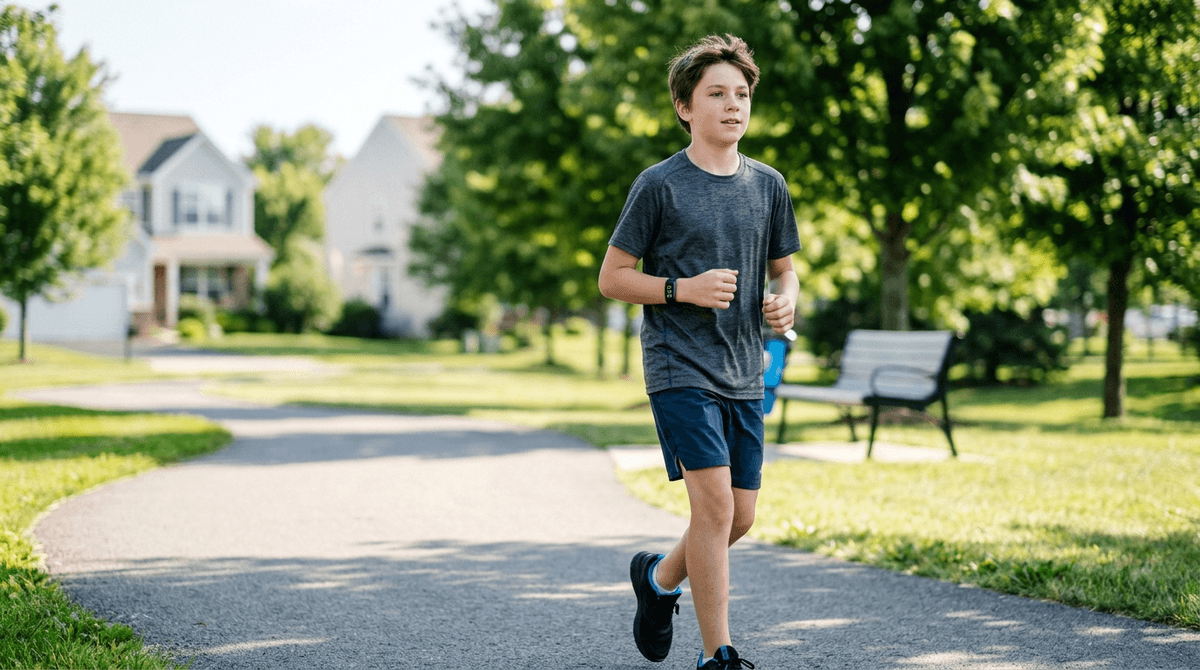

Locking a concussed kid in a dark room until all their symptoms disappear is officially out of date. Modern concussion guidelines call for a brief 24- to 48-hour rest period followed by a gradual, carefully supervised return to light activity and schoolwork.
Concussion recovery for kids has shifted dramatically away from total isolation; children should rest for only 24 to 48 hours before starting light, symptom-free physical activity and academic adjustments.
For years, standard medical advice for a sports concussion was strict "cocooning"—no lights, no screens, no school, and no movement until fully symptom-free.
Prolonged isolation actually delays recovery, worsens anxiety, and causes physical deconditioning in young athletes. Knowing the updated protocol means you can advocate for your child to re-engage with school and light movement safely, speeding up their path to full health.
Pediatric concussion management needed a clear, standardized update to reflect the 2022 Sixth International Consensus Conference on Concussion in Sport. Historical advice was often based on adult data or overly cautious guesswork, leading to kids missing weeks of school and sports unnecessarily.
The updated framework divides recovery into clear, age-tailored phases for children (ages 8–12) and adolescents (ages 13–18).
- Limit initial rest to 24–48 hours. Strict physical and cognitive rest is only necessary for the first two days post-injury.
- Cut screens early. Screen time should be significantly reduced during those initial 48 hours to minimize cognitive strain.
- Introduce subthreshold exercise. Light physical activity—like walking or stationary cycling that does not trigger symptoms—should begin right after the initial rest window.
- Prioritize return-to-learn. Academic accommodations (like reduced school hours or delayed exams) must be established before or alongside a return to sports.
- Focus prevention on movement. Neuromuscular warm-ups and protective rule changes prevent far more concussions than equipment like helmets or mouthguards alone.
The biggest shift here is psychological as much as physical. Complete isolation often leaves teenagers feeling anxious and disconnected, compounding their physical symptoms. By reframing recovery around active, controlled progress, clinicians help kids maintain their normal routines while protecting their healing brains.
This synthesis translates international consensus guidelines into clinical protocols rather than presenting brand-new experimental trial data. It explicitly covers children age 8 and older, so these steps may not directly apply to toddlers or younger kids.
Additionally, monitoring "subthreshold exercise"—activity that stays strictly below the level that triggers symptoms—can be tricky for parents to judge without clear guidance from a healthcare provider.
- If your child sustained a concussion yesterday... Keep them resting quietly at home and severely restrict screen use for 24 to 48 hours.
- If 48 hours have passed since the injury... Encourage light physical activity like a casual neighborhood walk, stopping immediately if any symptoms flare up.
- If your child is preparing to return to class... Work with their school to set up a "return-to-learn" plan before clearing them for full athletic participation.
- If symptoms persist beyond two weeks... Request a referral to a specialized pediatric concussion clinic rather than keeping your child on prolonged bed rest.
- If you want to reduce concussion risk on your child's team... Ask coaches whether they incorporate neuromuscular training into routine practice warm-ups.
Ditch the dark room after two days. The fastest pathway to pediatric concussion recovery is a brief pause followed by a phased, symptom-guided return to learning and movement.
Testa N, Pochetti J, Russo MJ (2026). Assessment of sports-related concussion in children and adolescents. Archivos argentinos de pediatria. doi:10.5546/aap.2025-10833.eng — pubmed.ncbi.nlm.nih.gov