

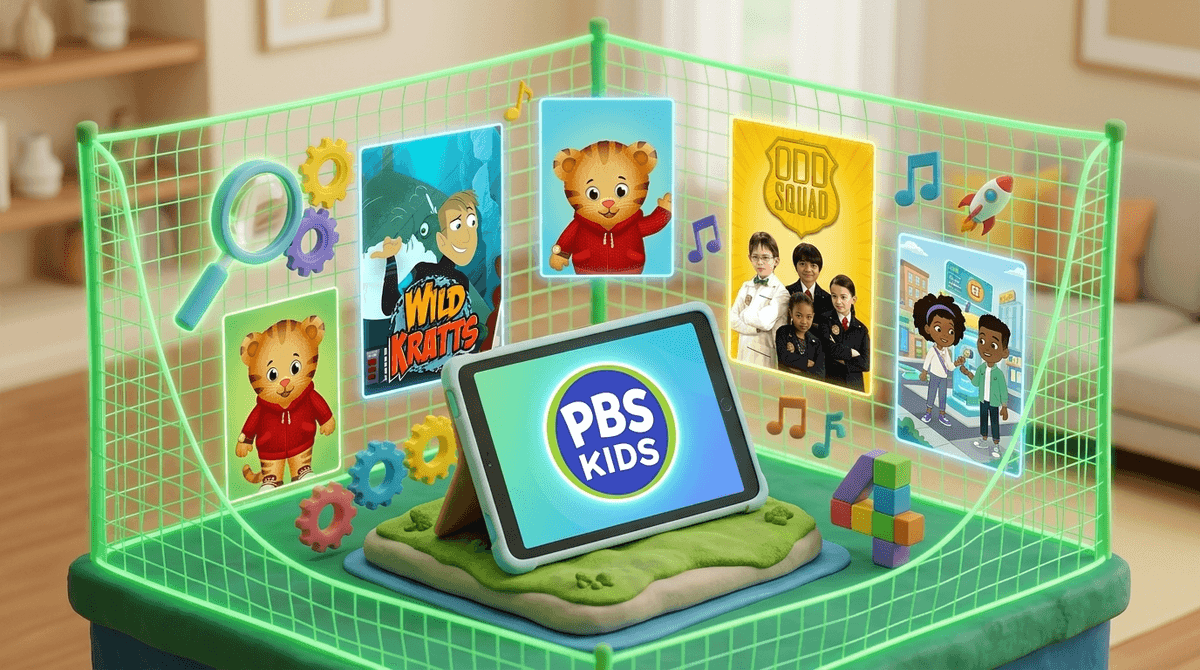
TL;DR
If you’re feeling the "brain rot" fatigue from the endless scroll of YouTube Kids or the chaotic energy of Roblox, PBS Kids remains the ultimate digital safe harbor in 2026. It’s the one place where you don't have to hover over your child's shoulder to make sure they aren't being served weird AI-generated content or predatory ads.
Quick Recommendations:
- The New Hit: Phoebe & Jay (Ages 3-7) – The gold standard for teaching digital citizenship and community.
- The Science King: Wild Kratts (Ages 4-9) – Still the best way to turn your kid into a zoologist.
- Emotional Regulation: Daniel Tiger’s Neighborhood (Ages 2-5) – Because we all still need those strategy songs to survive a toddler meltdown.
- Interactive Play: PBS Kids Games (Ages 3-8) – High-quality, browser-based games that actually teach logic rather than just clicking for dopamine.
I was at school pickup the other day and overheard a dad talking about how his five-year-old had started using the word "Sigma" in entirely the wrong context. We laughed, but there’s that underlying low-grade panic we all feel: Is the internet winning?
When the digital world feels like a Wild West of "Ohio" memes and Skibidi Toilet clones, PBS Kids feels like a warm blanket. In 2026, it’s not just "that channel with the cartoons"; it’s a sophisticated, research-backed ecosystem that has managed to evolve without losing its soul. While other platforms are trying to figure out how to keep kids' eyes glued to the screen for ad revenue, PBS is still focused on whether or not your kid actually learned how to share or how a pulley works.
PBS Kids has successfully navigated the shift from traditional TV to a multi-platform experience. It’s essentially a three-headed dragon of goodness:
- The Video App: A free, ad-free streaming service that works on everything from tablets to smart TVs.
- The Games Ecosystem: Both the PBS Kids Games app and their website offer interactive gameplay that is explicitly tied to the curriculum of their shows.
- The New Interactive Tier: In 2026, they’ve leaned heavily into "educational gameplay," where the line between watching a show and playing a game is blurred, helping kids learn through active participation rather than passive consumption.
It’s easy to assume kids will always choose the high-octane chaos of MrBeast or Fortnite, but there’s a reason PBS Kids still captures a massive percentage of the 2-8-year-old demographic.
Kids actually like feeling smart. PBS content is designed to be "attainable." When they watch Lyla in the Loop, they’re learning computational thinking—basically the logic behind coding—but it feels like solving a fun neighborhood puzzle. In a world of "brain rot" (content that is visually overstimulating but intellectually empty), PBS is the palate cleanser.
Phoebe & Jay (New for 2026)
This is the show everyone is talking about this year. It follows two siblings, Phoebe and Jay, as they navigate their "smart" neighborhood. What makes it brilliant for 2026 is how it introduces concepts of Digital Wellness and AI Literacy to five-year-olds. It’s not preachy; it’s just about how we use tools to help our friends. If you want a show that mirrors the tech-heavy world your kids are growing up in while keeping the values grounded, this is it.
The Kratt brothers are basically the immortal legends of PBS. In 2026, the show has integrated even more "Creature Power" interactive segments. It remains the gold standard for science media. It’s one of the few shows that older siblings (ages 8-9) will often still sit down and watch with their younger brothers and sisters without complaining.
Created by Sonia Manzano (Maria from Sesame Street), this show is all about "thinking things through." In an era of instant gratification, watching Alma pause, reflect, and realize she made a mistake is incredibly powerful modeling for kids.
If your kid is begging to play "video games" but isn't ready for the social complexities of Minecraft, this is your move. The games are browser-based, meaning no downloads and no "accidental" $99 in-app purchases. The 2026 updates include more collaborative games where two kids can play together on one screen—perfect for teaching sibling cooperation.
We talk a lot at Screenwise about "intentionality." PBS Kids is the ultimate intentional choice because it removes the "hidden costs" of free media.
- No Data Mining: Unlike most "free" apps on the App Store, PBS isn't building a marketing profile on your three-year-old.
- No "Up Next" Traps: The PBS Kids Video App is designed to let a show end. It doesn't use the same aggressive auto-play algorithms that YouTube or Netflix use to keep kids trapped in a loop.
- Research-Backed: Every show on PBS is vetted by educational researchers. When they say a show teaches "spatial awareness," it actually does.
- Toddlers (Ages 2-3): Stick to Daniel Tiger’s Neighborhood and Donkey Hodie. The pacing is slower, which is better for developing brains that can easily get overstimulated.
- Preschool/Kindergarten (Ages 4-6): This is the sweet spot. Phoebe & Jay, Molly of Denali, and Work It Out Wombats! are fantastic.
- Early Elementary (Ages 7-9): Cyberchase (for math) and Odd Squad (for logic and sheer hilarity) still hold up. Even if they think they're "too cool" for PBS, Odd Squad usually wins them over with its dry, Men in Black-style humor.
If your kid is already used to the high-intensity dopamine hits of TikTok or YouTube Shorts, switching to PBS might feel "boring" to them at first.
Don't frame it as a punishment. Frame it as a "cool new show I found." Or better yet, sit down and play one of the Wild Kratts games with them. Once they realize they can actually do something rather than just watch, they’re usually hooked.
You can also use PBS as a "bridge." If they love Minecraft, show them Lyla in the Loop and talk about how she uses logic to build things, just like they do.
PBS Kids in 2026 isn't just a nostalgic relic for us parents; it’s a vital piece of infrastructure for families trying to raise healthy, balanced kids in a digital-first world. It provides the "educational gameplay" kids crave without the "predatory design" parents hate.
If you’re looking to reclaim some peace of mind, make the PBS Kids Video App the "home base" on your child’s tablet. It’s the closest thing we have to a "set it and forget it" safety setting.
Get a PBS Kids watch list based on your child's interests
Next Steps
- Download the App: If you haven't updated the PBS Kids Video App lately, do it now to get access to the 2026 interactive features.
- Check out Phoebe & Jay: Watch the first episode with your kid. It’s a great conversation starter about how tech works in your own house.
- Explore the Website: Bookmark the PBS Kids Games website on your laptop for "emergency" entertainment that won't result in a YouTube rabbit hole.
For more deep dives into the apps and shows your kids are obsessed with, check out our Screenwise Guide to Gen Alpha Slang or our complete review of the latest tablet safety settings.