

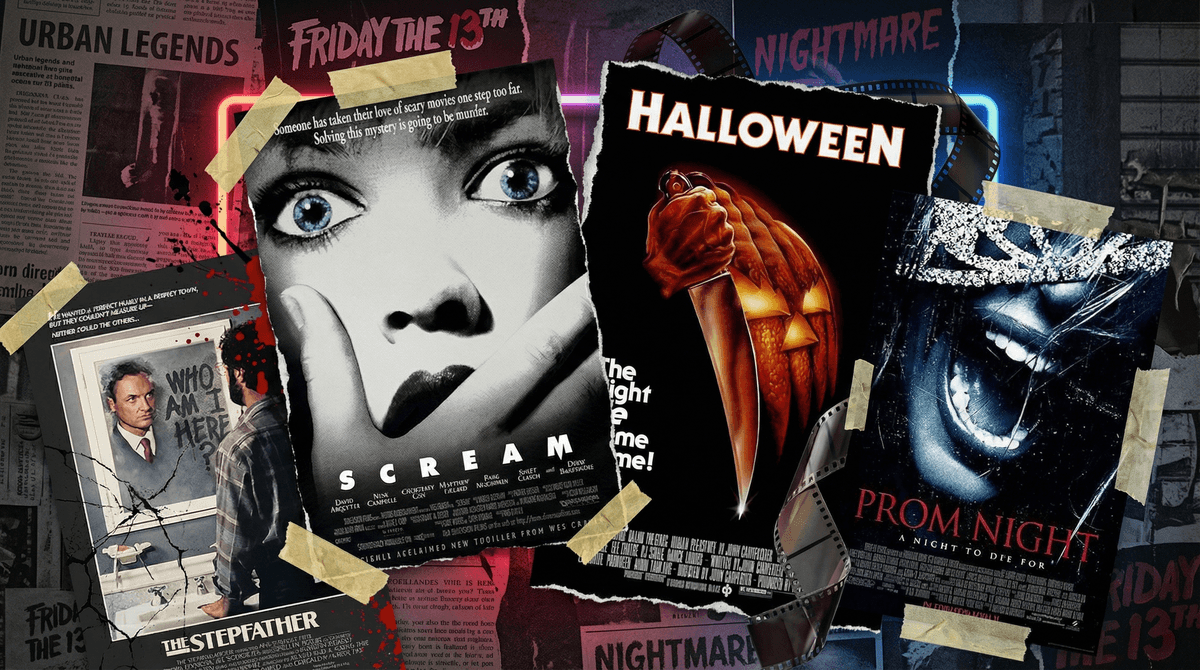
Must-See Slashers and Thrillers for Fans of Prom Night and The Stepfather
TL;DR: If your teen loved the tension of The Stepfather or the classic slasher vibes of Prom Night, here's what to watch next: Halloween (1978), Scream, The Guest, You're Next, and Ready or Not. Skip the torture porn, focus on the smart stuff.
So your teen has discovered the glory of 80s slashers and psychological thrillers. Maybe you watched Prom Night together and they're hooked on that slow-burn tension and disco-era aesthetics. Or they're obsessed with The Stepfather's "perfect family man is actually a psychopath" premise (which, let's be honest, hits different in 2026).
The good news? There's a whole world of quality horror that sits in that sweet spot between "actually scary" and "not traumatizing gore fest." The bad news? You'll need to navigate a minefield of genuinely disturbing content that masquerades as "classic horror."
Let's talk about what's actually worth watching, what age makes sense, and how to have real conversations about this stuff.
Prom Night and The Stepfather represent two distinct but equally important branches of the horror family tree. Prom Night is pure slasher—a masked killer, teenage victims, a body count that builds to a final confrontation. The Stepfather is psychological thriller territory—no mask needed when the monster looks like your friendly neighbor.
Both teach media literacy in ways that modern horror sometimes doesn't. They're slow. They build tension through atmosphere rather than jump scares. They make you think about why you're scared, not just startle you with loud noises. And honestly? That's valuable stuff for teens to understand about storytelling.
Ages 14+ | R rating
This is the blueprint. John Carpenter's masterpiece invented half the slasher tropes your teen already knows from memes and parodies. Michael Myers in his William Shatner mask, Jamie Lee Curtis as the original "final girl," and that iconic piano theme that's been sampled into oblivion.
What parents should know: Surprisingly tame by modern standards. The violence is mostly implied rather than graphic. The scariest part is the atmosphere—that feeling of being watched. If your teen handled Prom Night, they can handle this. Just know that Michael Myers is relentless in a way that can be genuinely unsettling.
Why it's better than most modern horror: It respects the audience's intelligence. Carpenter doesn't explain everything. Michael Myers has no backstory (in this one), no motivation beyond being "pure evil." Sometimes that's scarier than elaborate origin stories.
Ages 15+ | R rating
Wes Craven's meta-slasher that both celebrates and deconstructs the genre. The characters literally discuss "the rules" of horror movies while being stalked by Ghostface. It's smart, self-aware, and surprisingly funny between the scares.
What parents should know: More graphic violence than Halloween, particularly in the opening scene (Drew Barrymore's character). But the violence serves the story rather than existing for shock value. The real brilliance is how it makes you think about why we watch horror movies at all.
Conversation starter: Ask your teen why they think the movie works as both a scary movie AND a comedy. Talk about how Scream changed horror by making characters who were as genre-savvy as the audience.
Ages 15+ | R rating
Freddy Krueger, dream logic, and the terrifying concept that you're not safe even when you sleep. Wes Craven (again) created something genuinely original here—a villain who attacks through dreams, making the horror inescapable.
What parents should know: Some deaths are creative and disturbing (the ceiling scene is still rough). Freddy becomes more of a wisecracking character in later sequels, but in this first film he's genuinely menacing. The practical effects are dated but impressive, and there's something to discuss about how much scarier practical effects can be than CGI.
Ages 16+ | R rating
This is the spiritual successor to The Stepfather that nobody talks about enough. Dan Stevens plays a charming soldier who shows up claiming to be a dead son's army buddy. Things get weird. Then they get violent.
What parents should know: This is stylish, self-aware, and has a killer 80s-inspired synth soundtrack. The violence escalates significantly in the third act, but it's so over-the-top that it almost becomes cartoonish. The real appeal is watching Stevens be charismatic and terrifying simultaneously.
Why teens love it: It's essentially a superhero origin story in reverse. Plus the aesthetic is pure Instagram-bait—neon lighting, retro vibes, and a protagonist who looks like he walked out of a fashion magazine.
Ages 15+ | R rating
Stephen King adaptation about a writer held captive by his "number one fan." Kathy Bates won an Oscar for playing Annie Wilkes, and it's easy to see why—she's terrifying precisely because she seems so normal most of the time.
What parents should know: One scene (the hobbling scene) is genuinely hard to watch. But the real horror is psychological—the claustrophobia, the manipulation, the slow realization that there's no escape. It's a masterclass in tension.
Modern relevance: This hits different in the age of stan culture and parasocial relationships. Worth discussing how fan obsession has only intensified with social media.
Ages 16+ | R rating
Home invasion thriller that flips the script halfway through. What starts as a family gathering interrupted by masked killers becomes something much more interesting when one of the victims turns out to be extremely capable of fighting back.
What parents should know: Graphic violence, but with purpose. The "final girl" here isn't just lucky—she's competent, strategic, and resourceful. It's basically Home Alone for the horror crowd.
Why it works: It subverts expectations without being annoying about it. The twist makes sense, the action is well-choreographed, and there's dark humor throughout.
Ages 16+ | R rating
A bride discovers her new in-laws want to hunt her as part of a twisted wedding night tradition. It's part horror, part dark comedy, part eat-the-rich satire.
What parents should know: Violent and gory, but in a way that's clearly stylized rather than realistic. The real appeal is Samara Weaving's performance—she goes from confused bride to blood-soaked survivor, and it's glorious.
Discussion point: The class commentary is pretty obvious (rich people are literally trying to kill someone to maintain their wealth), but it's worth talking about how horror often uses genre conventions to explore social issues.
Ages 13+ | PG-13 rating
Groundhog Day meets slasher movie. A college student relives the day of her murder over and over, trying to figure out who's killing her.
What parents should know: This is the most age-appropriate recommendation on this list. PG-13 means limited gore, no graphic violence. It's more mystery than horror, with genuine character development as the protagonist becomes a better person through her repeated deaths.
Why it's perfect for younger teens: It takes horror seriously while keeping things relatively light. The time loop concept is engaging, and there's actual emotional growth happening alongside the murder mystery.
Let's be real about some "classics" that aren't worth your time:
Friday the 13th series: The first one is fine but formulaic. The sequels are repetitive and increasingly stupid. Jason becomes a joke character. If your teen wants to see it for cultural literacy, watch the first one and call it done.
Saw franchise: This is torture porn, full stop. The first film has an interesting premise, but the series devolves into elaborate death machines with no real story. The gore is the point, not the plot. Hard pass for most families.
Hostel series: Same deal as Saw. Eli Roth thinks sadism equals horror. It doesn't. These movies are mean-spirited and ugly in ways that aren't fun or interesting.
Most modern remakes: The Prom Night (2008) remake is terrible. The Stepfather (2009) remake is unnecessary. Hollywood keeps remaking these movies and stripping out everything that made them interesting. Stick with the originals.
Ages 13-14: Start with Happy Death Day and maybe Halloween (1978) if they're mature enough. The limited gore and emphasis on suspense over shock makes these good entry points.
Ages 15-16: Scream, Misery, A Nightmare on Elm Street. More graphic content, but still focused on story and characters rather than just violence.
Ages 17+: Everything else on this list. You're Next, Ready or Not, and The Guest have intense violence that requires maturity to process.
But every kid is different. Some 15-year-olds can handle anything, some 17-year-olds get nightmares from jump scares. You know your teen better than any rating system.
Don't make it weird. Watching horror with your teen shouldn't feel like a PSA about violence. It's entertainment, and treating it as such actually opens up better conversations.
Talk about the craft. Point out practical effects, discuss how suspense is built, notice when the music cues something scary. Understanding how movies manipulate emotions makes them less scary and more interesting.
Acknowledge when something is ridiculous. Horror movies have absurd moments. Laughing at them together doesn't ruin the experience—it makes it more fun. The characters in Scream literally do this in the movie itself.
Check in afterward. Not in a "are you traumatized?" way, but in a "what did you think?" way. Sometimes teens process scary content by wanting to talk about it, sometimes they need space. Both are fine.
If your teen loved Prom Night and The Stepfather, they're ready for thoughtful horror that prioritizes story and atmosphere over cheap scares and gore. Start with Halloween (1978) and Scream—these are the foundation of everything that came after. Move into modern stuff like Ready or Not and The Guest when they're ready for more intense content.
Skip the torture porn, avoid most remakes, and remember that the best horror movies are about more than just scaring people—they're about telling stories that stick with you long after the credits roll.
And if you need help figuring out what else might work for your family's specific comfort levels, check out our guide to horror movies for teens or explore age-appropriate thrillers.