The original toxic fan
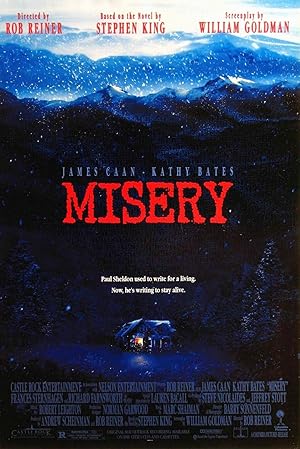
Long before social media allowed people to harass showrunners over a bad series finale, we had Annie Wilkes. This movie is the ultimate cautionary tale about parasocial relationships gone nuclear. While modern horror often relies on the supernatural or a high body count, Misery finds its terror in a guest room with a floral bedspread. It’s a chamber piece that hinges entirely on the chemistry between a captive and his "number one fan."
If your teen is used to the fast-paced, jump-scare-heavy style of contemporary horror, this might feel slow at first. But stay with it. The 91% critic score on Rotten Tomatoes isn't just about the scares; it’s about the tension. Director Rob Reiner builds a sense of claustrophobia that makes the house feel like a character in its own right. It’s a masterclass in how to make a sunny, well-lit room feel more dangerous than a dark alley.
More than just the "Hobbling"
Everyone talks about the sledgehammer scene—and yes, it is every bit as brutal as you’ve heard—but the real friction comes from the psychological gaslighting. Annie flips from a doting, maternal figure to a screaming engine of rage in a heartbeat. It’s that unpredictability that makes the movie so stressful for viewers.
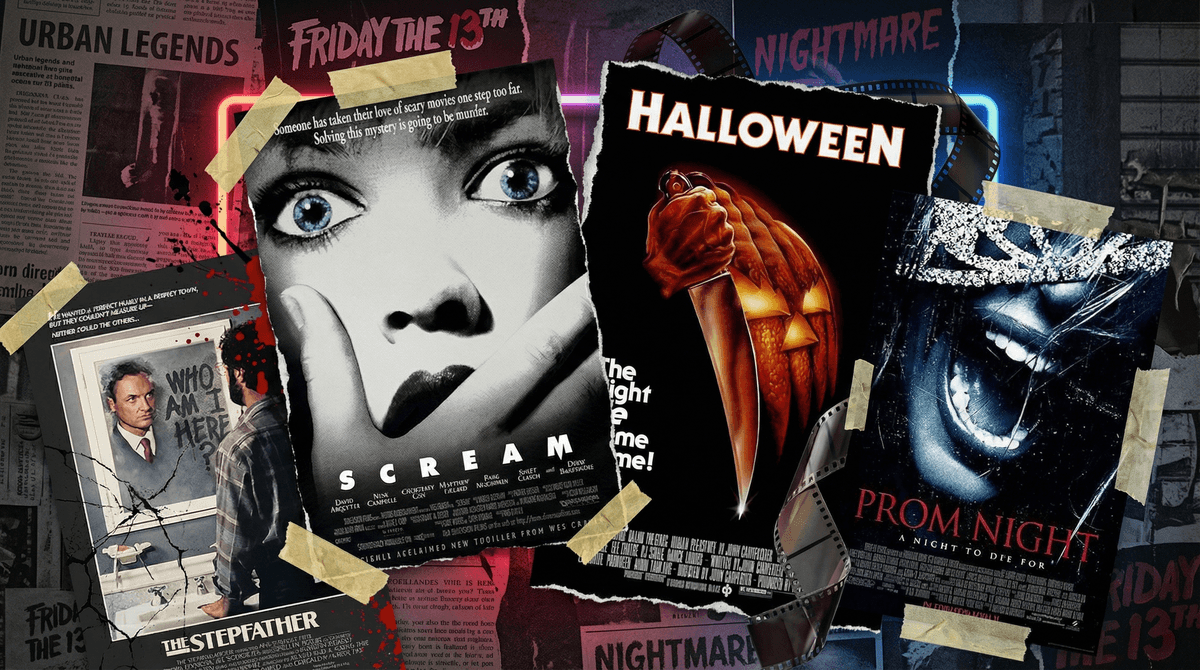
For a mature 16- or 17-year-old, this is a great entry point into "prestige" horror. It’s a film that respects the audience's intelligence. There are no "dumb" decisions here; the protagonist is smart, capable, and doing everything he can to survive, which only makes the situation feel more hopeless. If they’ve already worked through the classics in our guide to must-see slashers and thrillers for fans of Prom Night and The Stepfather, this is the logical next step into more grounded, character-driven terror.
The addiction metaphor
If you’re watching this with an older teen, it’s worth mentioning the subtext that fans on Reddit and critics often point out: the story is a massive metaphor for addiction. Stephen King has been open about writing the story during a time when he was struggling with substance abuse. In that light, Annie Wilkes isn't just a crazy fan—she’s the drug. She "rescues" him, she provides the medicine that kills his pain, but she also keeps him prisoner and destroys his ability to function.
Viewing the movie through that lens changes it from a standard "crazy captor" flick into a much deeper character study. It’s one of the few thrillers that actually gets better the more you talk about it afterward. Just make sure your kid is actually ready for the physical violence, because once that sledgehammer comes out, there is no hitting the "undo" button on that mental image.