

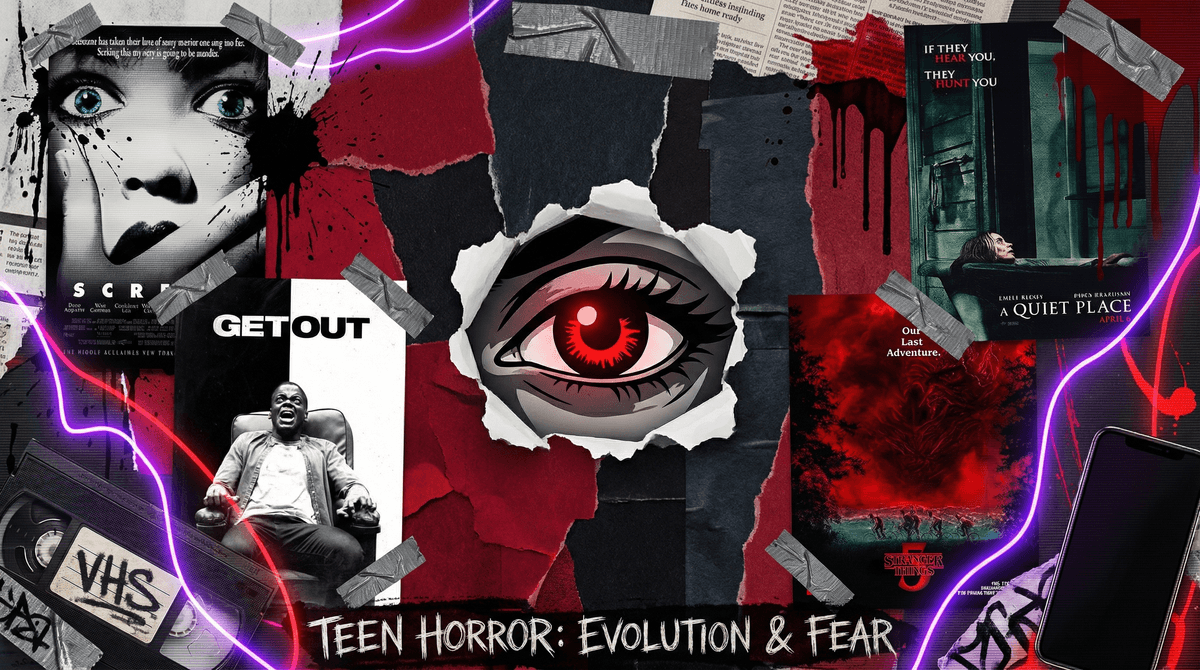
Horror Movies for Teens: Finding the Right Scares for Your Family
So your teen wants to watch horror movies. Maybe they're begging to see whatever terrifying thing is trending on TikTok, or their friends are all talking about the latest A24 psychological nightmare, or they just discovered the entire Scream franchise exists and suddenly your weekend plans involve a lot of screaming.
First: this is totally normal. Teens are wired to seek out intense experiences, and horror movies are a safe way to feel adrenaline without actual danger. But not all horror is created equal, and figuring out what's appropriate can feel like navigating a minefield in the dark while creepy music plays.
Let's talk about how to find the right level of scary for your family.
There's actual psychology behind this. Teens are developing their ability to process complex emotions, and horror movies are like emotional gym workouts. They get to experience fear, tension, and relief in a controlled environment. Plus, watching something scary with friends is a bonding experience—surviving a scary movie together creates shared memories and inside jokes.
Horror also appeals to teens' growing desire for "adult" content. They're not little kids anymore (as they'll remind you constantly), and horror feels more mature than the stuff they watched at 10. It's a way of testing boundaries and proving they can handle intense content.
And honestly? Some horror movies are genuinely good cinema. Films like Get Out and A Quiet Place aren't just scary—they're smart, well-crafted stories that happen to use horror as their vehicle.
Here's the thing about MPAA ratings: they're inconsistent and often unhelpful for horror specifically. A PG-13 horror movie might be fine, or it might be traumatizing—the rating doesn't tell you much about what kind of scary you're dealing with.
PG-13 horror can range from A Quiet Place (tense but not gory) to Insidious (genuinely terrifying jump scares that might wreck your kid's sleep for weeks).
R-rated horror is even more variable. Some R ratings are for gore and violence (Saw territory), others for language and mature themes, and some for sexual content that happens to be in a horror context.
You need more information than just the letter rating.
When evaluating horror for your teen, think about these three categories:
1. Gore and Violence
This is the blood-and-guts factor. How graphic is the violence? Is it cartoonish (like Zombieland) or realistic and brutal? Some kids can handle intense violence, others will be haunted by it. You know your teen best.
Lower gore: A Quiet Place, The Sixth Sense, Signs
Moderate gore: Scream, The Ring, Stranger Things (yes, it's a show, but good reference point)
High gore: Saw, Terrifier, Hostel (honestly, just skip these for teens)
2. Jump Scares and Tension
This is about how the movie delivers its scares. Constant jump scares can be exhausting and anxiety-inducing. Slow-burn tension can be even more effective (and sometimes more disturbing).
Some teens love jump scares—they're fun in a group setting. Others find them overwhelming and prefer psychological horror that builds dread slowly.
3. Psychological and Thematic Content
This is the stuff that sticks with you after the credits roll. Movies about demonic possession, child death, body horror, or existential dread can be more disturbing than any amount of fake blood.
Hereditary? Psychologically devastating, even though it's not that gory. The Babadook? A metaphor for grief that's genuinely unsettling. These require emotional maturity to process.
Ages 13-14: Start with PG-13 horror or mild R-rated options. Good gateway horror includes:
- A Quiet Place (tense but not traumatizing)
- The Sixth Sense (spooky but ultimately hopeful)
- Gremlins (horror-comedy, more fun than scary)
- Goosebumps movies (if they're not too "baby" for your teen)
Ages 15-16: They can probably handle more intensity, but still check reviews for specific content:
- Get Out (smart, social commentary, some violence)
- Scream (meta-horror that's self-aware and less traumatizing)
- The Conjuring (scary but not gore-focused)
- Happy Death Day (horror-comedy time loop)
Ages 17-18: At this point, it's more about personal preference and maturity than age. They can handle most horror content, but you might still want to have conversations about particularly intense films.
Here's a practical approach:
-
Check Common Sense Media for detailed content breakdowns. They tell you exactly what's in the movie—how much blood, what kind of violence, sexual content, language, all of it.
-
Watch the trailer together (but know that trailers can be misleading—sometimes they show the scariest parts, sometimes they hide them).
-
Read parent reviews, not critic reviews. Critics care about cinematography; you care about whether your kid will have nightmares.
-
Start with watching together. Even if your teen rolls their eyes, watching the first horror movie together lets you gauge their reaction and talk about it afterward.
-
Have an exit strategy. Make it clear that if the movie is too much, they can leave or turn it off without judgment. No one gets points for toughing out a movie that's genuinely upsetting them.
Some horror movies are just not appropriate for teens, period:
- Extreme torture porn (Saw sequels, Hostel, The Human Centipede—just no)
- Sexual violence as entertainment (I Spit on Your Grave, Last House on the Left)
- Anything that glorifies real-world violence (some true crime horror crosses lines)
Also be aware of horror that deals with suicide, self-harm, or eating disorders if your teen is struggling with mental health. Even if they're "mature enough" for scary content, certain themes might be triggering rather than entertaining.
Here's what actually matters: talk about it afterward. Horror movies are a great opportunity to discuss:
- How special effects create fear (demystifying the scares)
- Why we enjoy being scared in safe environments
- The difference between movie violence and real violence
- How horror reflects cultural anxieties (zombies = consumerism, vampires = sexuality, etc.)
If your teen watches a horror movie and then wants to talk about it, that's actually a sign they're processing it well. If they're withdrawn or having nightmares, you might have pushed too far too fast.
Horror movies can be a totally healthy part of teen media consumption. They're not going to "damage" your kid if you're thoughtful about what they watch and create space for conversation.
Start milder than you think you need to. It's way better to have your teen say "that wasn't even scary" than to deal with nightmares and anxiety. You can always escalate; you can't un-watch something.
And remember: every teen is different. Some 13-year-olds can handle The Conjuring without blinking. Some 17-year-olds prefer Hocus Pocus and that's totally fine. This isn't about proving toughness—it's about finding entertainment that's thrilling without being traumatizing.
Trust your instincts, know your kid, and when in doubt, check out our guide to age-appropriate thrillers and suspense movies for options that deliver excitement without the nightmare fuel.