

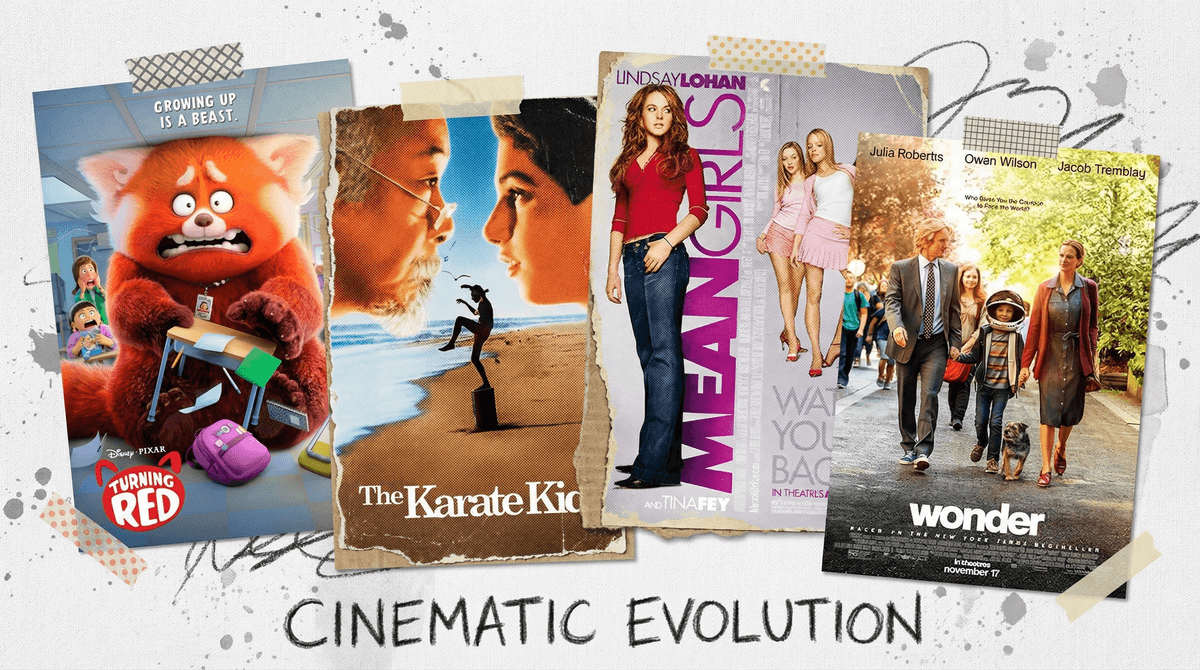
Let's be real: bullying has been a movie plot staple since forever. The problem? A lot of those "classic" bullying movies we grew up with have aged about as well as our middle school yearbook photos. What felt empowering in the '80s and '90s often looks pretty yikes through today's lens—glorifying revenge, minimizing trauma, or treating bullying as just a normal rite of passage.
The good news? There's been a genuine shift in how filmmakers approach bullying in recent years. Modern movies tend to explore the complexity of the issue—the bystander effect, mental health impacts, cyberbullying, and restorative approaches rather than just "punch the bully and win" narratives.
So if you're looking for something to watch with your kids that tackles bullying thoughtfully (or trying to figure out if that movie you loved as a kid is actually still appropriate), I've got you.
Ages 8+
This one's the gold standard for modern bullying movies. Based on the book by R.J. Palacio, it follows Auggie, a kid with facial differences starting mainstream school. What makes it work? It shows multiple perspectives—including the bully's sister, who's dealing with her own social pressures. It doesn't make excuses for cruelty, but it humanizes everyone involved. Plus, it actually shows the work of building empathy and choosing kindness, not just a magical transformation moment.
Why it works: Shows that bullying affects everyone differently, includes bystander dynamics, and models how adults can support kids through it.
Ages 9+
Okay, this Pixar film is ostensibly about a girl who turns into a giant red panda, but it's really about peer pressure, social hierarchies, and the anxiety of fitting in. The "bullying" here is more subtle—exclusion, social manipulation, the fear of being "cringe." Which honestly? That's what a lot of modern bullying looks like, especially for tweens and teens.
Why it works: Captures the emotional reality of social dynamics without making it a Very Special Episode. The metaphor gives kids language to talk about these feelings.
Ages 10+
The remake actually handles bullying better than the original (hot take, I know). Dre doesn't just learn to fight back—he learns discipline, confidence, and emotional regulation. The movie shows that standing up to bullies isn't just about physical confrontation, and there are actual consequences when adults get involved. Plus, it doesn't glorify violence as the solution.
Why it works: Shows a mentorship approach to building confidence, depicts realistic adult intervention, and the "victory" is as much internal as external.
Ages 6+
While not explicitly about bullying, Encanto brilliantly depicts family dynamics that mirror bullying patterns—scapegoating, favoritism, and how hurt people hurt people. Abuela isn't a villain; she's traumatized and perpetuating harm. It's a nuanced look at how cycles of hurt continue and how they can be broken through understanding and communication.
Why it works: Shows that harm isn't always intentional, healing requires acknowledging pain, and breaking cycles takes everyone's effort.
Honestly? Skip it.
I hate to do this to a "classic," but this movie has serious consent issues and treats sexual harassment as comedy. The "nerds" engage in behavior that would literally be crimes today (hidden cameras in a sorority house, anyone?). The message that getting revenge through equally harmful behavior is justified? Not it.
Why it's problematic: Glorifies revenge over resolution, contains sexual assault played for laughs, suggests that being bullied justifies harmful behavior toward others.
Ages 14+ with context
Okay, controversial take: Mean Girls is brilliant social commentary... for adults. For teens? The quotable lines often overshadow the actual message. Kids remember "On Wednesdays we wear pink" more than the consequences of social manipulation. Without serious discussion, it can actually become a playbook rather than a cautionary tale. Plus, the resolution (everyone apologizing in gym class) is wildly unrealistic and minimizes real harm.
Why it's tricky: The comedy can overshadow the serious issues, lacks realistic consequences, and the "mean girl" behavior is so iconic it's become aspirational to some kids.
Ages 10+ with conversation
I love this movie, but let's be honest about what it teaches: George McFly's arc is literally "punch your bully once and win." Biff faces zero actual consequences, and the message is that physical violence solves your problems and gets you the girl. It's a fun movie, but as a bullying narrative? Not great.
Why it's dated: Violence as the solution, bully faces no real consequences, oversimplifies complex social dynamics.
Ages 10+ with discussion
The original is iconic, but it's got some issues. The tournament fight essentially rewards Daniel for using an illegal move, and Johnny (the "bully") is later revealed in Cobra Kai to have been a more complex character than the movie portrayed. It's not terrible, but it's very much a "win through fighting" narrative without much nuance.
Why it's dated: Simplistic good vs. evil framing, physical confrontation as primary solution, lacks exploration of why bullies bully.
Here's the thing: bullying hasn't gotten simpler—it's gotten more complex. Today's kids deal with cyberbullying, social media pile-ons, subtle exclusion, and harassment that follows them home. They need movies that show:
- Bystander intervention (not just hero moments)
- Adult support that actually helps (not just "ignore them")
- Mental health impacts (bullying isn't just "toughening up")
- Restorative approaches (not just punishment or revenge)
- The complexity of social dynamics (bullies aren't one-dimensional villains)
The old "stand up to your bully" narrative isn't wrong exactly, but it's incomplete. Modern kids need to see that standing up can look like telling an adult, supporting a friend, setting boundaries, or removing themselves from harmful situations—not just winning a fight.
Before watching:
- Check the rating and read a detailed content guide

- Ask: "What do you know about bullying? Have you seen it at school?"
During watching:
- Pause for questions, especially if something feels uncomfortable
- Point out: "How do you think they're feeling right now?"
After watching:
- "What did you think about how they handled that?"
- "What would you do in that situation?"
- "Who could you talk to if something like this happened?"
- Explore how to talk about bystander intervention
Not all bullying movies are created equal, and what worked for us as kids might not be what our kids need now. The best modern films show complexity, model healthy responses, and acknowledge that bullying is a serious issue—not just a plot device or a chance for a hero moment.
You don't have to ban the classics entirely (though honestly, some deserve to stay in the vault). But watch them with context, have conversations about what's changed, and balance them with movies that reflect our current understanding of bullying, trauma, and healing.
- Check your streaming services for age-appropriate options—Netflix, Disney+, and Hulu all have good filters
- Ask your school counselor what resources they recommend (they often have great suggestions)
- Talk to your kid about what they're seeing at school—movies are a great conversation starter
- Learn more about how to talk to kids about cyberbullying
Remember: The goal isn't perfect media consumption. It's giving your kids the tools to recognize harm, respond with empathy, and know when to ask for help. Sometimes a "problematic" movie with great conversation is more valuable than a perfect movie watched in silence.
You've got this. 💙