

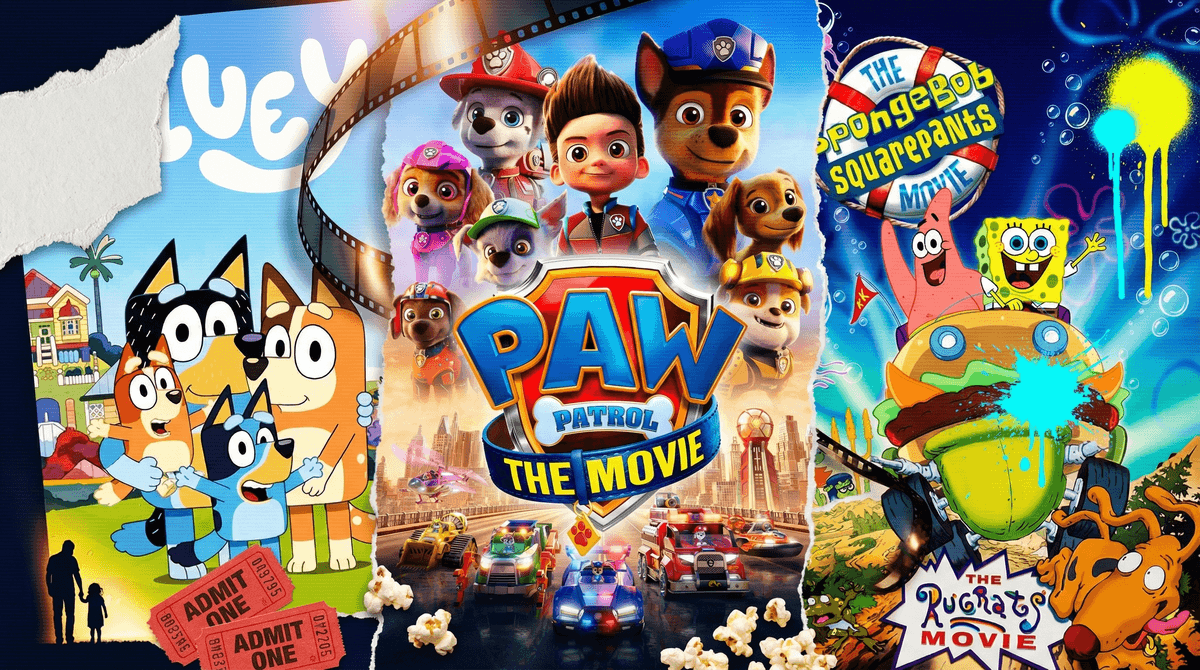
You know that moment when your kid sees a trailer and goes "WAIT, THEY'RE MAKING A MOVIE?!" Yeah, Hollywood has figured out that nostalgia is a goldmine, and TV-to-film adaptations are having a serious moment right now.
We're talking about everything from Paw Patrol: The Movie to the upcoming Bluey movie that has millennial parents more hyped than their kids. These adaptations take beloved TV shows and blow them up to feature-length films with bigger budgets, theatrical releases, and usually a plot that's supposed to feel "more important" than a regular episode.
But here's the thing: not all of these adaptations are created equal. Some are genuinely great extensions of what makes the show work (The SpongeBob Movie, I'm looking at you). Others feel like a cash grab that takes everything charming about a 22-minute episode and stretches it into 90 minutes of "why are we still here?"
The appeal is pretty straightforward: kids already love these characters. There's zero learning curve, no "wait, who's that?" confusion, and the comfort of knowing exactly what they're getting into. For anxious kids or those who struggle with new content, a TV-to-film adaptation can feel like visiting an old friend.
For parents, especially those of us who grew up in the 90s and 2000s, these movies hit different. When they announced a Rugrats movie back in the day, or more recently stuff like the Sonic movies, it's not just about taking the kids to the theater—it's about sharing something from our own childhoods.
Plus, let's be honest: these movies are designed to be family-friendly. Studios know parents are buying the tickets, so they usually pack in enough humor and references to keep adults from falling asleep in their overpriced recliner seats.
Here's where it gets interesting: just because your kid watches the show doesn't automatically mean the movie is appropriate for them.
TV shows, especially those on streaming platforms or kids' networks, have pretty strict content guidelines. A 22-minute Paw Patrol episode has minimal stakes—someone's kitten is stuck in a tree, a balloon floats away, you get it. But when that becomes a movie, suddenly there's a villain with actual menace, higher stakes, scarier visuals, and longer sequences that can be genuinely intense for younger viewers.
Ages 3-5: The jump from TV to film can be overwhelming. Movies are longer, louder, and darker (literally—theaters are dark). Even if your preschooler watches Bluey every single day, sitting through a 90-minute movie in a theater is a different experience. Consider waiting for streaming or doing a matinee with easy exit access.
Ages 6-8: This is the sweet spot for most kids' TV adaptations. They can handle the longer format and slightly elevated stakes. Just check reviews first—some movies (looking at you, The Wild Robot, which while not technically a TV adaptation, follows similar patterns) have surprisingly emotional or intense moments that catch parents off guard.
Ages 9-12: These kids are usually fine with adaptations aimed at their age group, but now you're dealing with a different issue: quality. Tweens can smell a lazy cash grab from a mile away. They'll call out when a movie feels like "just three episodes stuck together" or when the plot makes no sense. This is actually a great age to talk about media literacy and what makes adaptations work or fail .
.
The rating doesn't tell the whole story. A G-rated movie can still have scary moments for sensitive kids. Check Common Sense Media or parent reviews specifically, not just the MPAA rating.
Nostalgia can cloud judgment. Just because you loved the original show doesn't mean the movie is good or appropriate for your kid right now. I've seen parents take 5-year-olds to PG-13 adaptations of shows they watched as teens, and it's... not great.
The theater experience matters. Some kids do better with the big screen and surround sound; others find it overwhelming. There's zero shame in waiting for streaming. Your kid will not be socially ruined because they didn't see Minecraft: The Movie opening weekend.
Watch for the merchandise trap. These movies are marketing machines. Expect requests for toys, games, and every piece of branded content under the sun. It's worth having a conversation beforehand about what's realistic for your family.
Some adaptations are genuinely excellent. The Lego Movie transcended its TV origins and became something special. Paddington and Paddington 2 are legitimately wonderful films that happen to be based on beloved characters. Don't write off the entire genre—just be selective.
TV-to-film adaptations aren't inherently good or bad—they're just another thing to navigate in the endless content landscape. The key is not assuming that familiarity equals appropriateness.
Before committing to tickets, popcorn, and two hours of your life:
- Read parent reviews, not just critic reviews
- Watch the trailer with your kid and gauge their reaction
- Consider your child's specific sensitivities (loud noises, darkness, scary villains, sad moments)
- Ask yourself: "Is this a theater experience, or can we wait for streaming?"
- Check if there are sensory-friendly showings in your area for kids who need them
And remember: if you get there and it's not working, you can leave. Seriously. You're not legally bound to stay through the credits just because you paid for tickets. Your kid's comfort matters more than your sunk costs.
Want to dig deeper? Check out our guide to age-appropriate movies or learn how to talk to kids about media choices. And if you're trying to figure out whether a specific adaptation is right for your family, Screenwise's list maker can help you think through the decision based on your kid's specific needs and sensitivities.
The Screenwise community also shares real-time reviews and experiences—because sometimes the best intel comes from other parents who just walked out of the theater with their kids.