

Marvel Movies and Shows: An Age-by-Age Guide for Parents
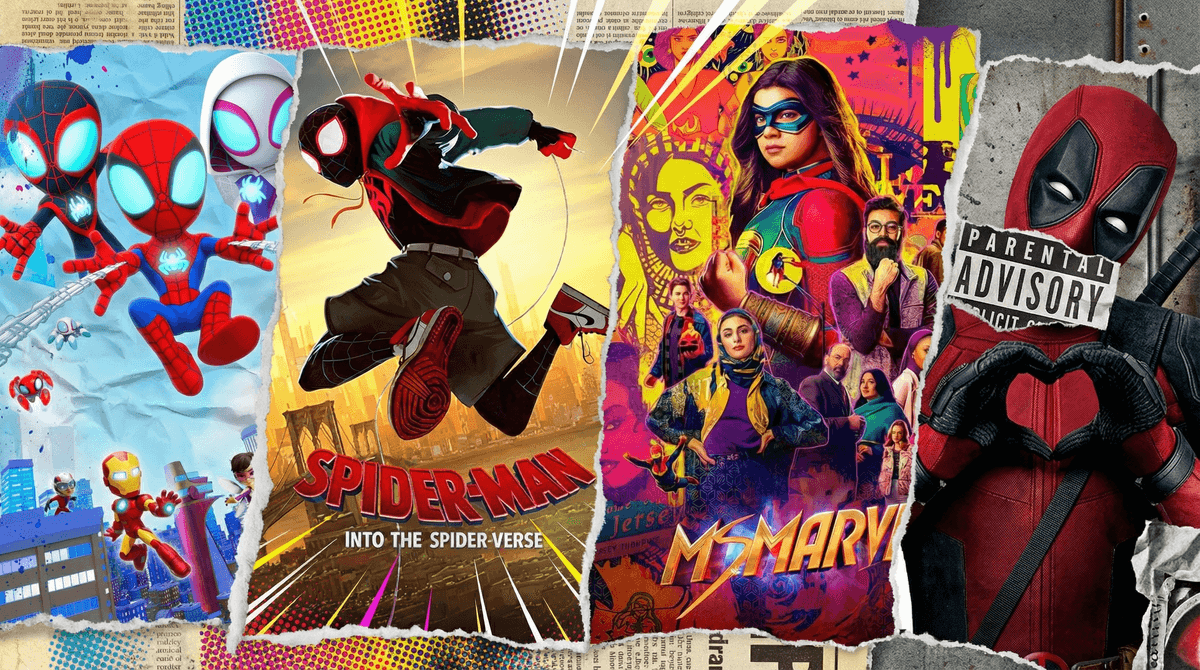
Look, the Marvel Cinematic Universe has been churning out content for nearly two decades now, and if you're trying to figure out which superhero movies are okay for your 8-year-old versus your teenager, I get it. The confusion is real. Some Marvel content is genuinely family-friendly. Some is... decidedly not (looking at you, Deadpool).
The tricky part? Marvel has become this massive umbrella term that covers everything from animated Spider-Man shows on Disney Junior to ultra-violent Netflix series. So let's break down what's actually appropriate for which ages, because "it's Marvel" tells you basically nothing.
Screenwise Parents
See allMarvel content falls into a few main buckets:
The MCU (Marvel Cinematic Universe): The big theatrical releases from Disney/Marvel Studios—your Avengers, Spider-Man, Black Panther, etc. These are rated PG-13, but that rating does a LOT of heavy lifting.
Marvel TV on Disney+: Shows like WandaVision, Loki, and Ms. Marvel that tie directly into the MCU.
Animated Marvel: Everything from preschool-friendly Spidey and His Amazing Friends to more intense animated series.
The Outliers: Mature content like the Deadpool movies, the old Netflix Marvel shows (Daredevil, Jessica Jones), and the recent animated What If...? series.
Sony's Spider-Verse: Technically not MCU, but the Spider-Man: Into the Spider-Verse films are some of the best superhero content out there.
Beyond the obvious (superpowers are cool), Marvel has genuinely nailed the art of creating characters kids connect with. Spider-Man is literally a teenager dealing with school drama between saving the world. The Guardians of the Galaxy are a found family of misfits. Black Panther showed kids a hero who looks like them might not have seen themselves represented before.
Plus, the interconnected universe thing? Kids EAT THAT UP. They love spotting connections, debating theories, and feeling like they're part of this massive story. It's basically the ultimate serialized content.
Ages 3-6: Stick to the Animated Preschool Stuff
For the little ones, Marvel actually has some solid options:
- Spidey and His Amazing Friends (Disney Junior)
- Marvel Super Hero Adventures
That's pretty much it. Do NOT put your preschooler in front of the MCU movies yet. Even the "lighter" ones have intense action sequences and scary villains that can genuinely frighten young kids.
Ages 7-9: The Gateway MCU Films
This is where you can start introducing some Marvel movies, but be selective:
Good starting points:
- Spider-Man: Homecoming - The most kid-friendly live-action Spider-Man movie
- Ant-Man - Lighter tone, less world-ending stakes
- Spider-Man: Into the Spider-Verse - Visually stunning, genuinely funny, appropriate action
- Guardians of the Galaxy - Some language to be aware of, but fun and colorful
Skip for now:
- Avengers: Infinity War and Endgame - Too intense, major character deaths
- Black Widow - Human trafficking themes, darker tone
- Anything with Thanos as the main villain
Ages 10-12: Most MCU Content Is Fair Game
By this age, most kids can handle the standard MCU fare. They understand the difference between superhero violence and real violence, and they're not going to be traumatized by CGI aliens getting punched.
Great for this age:
- Black Panther and Wakanda Forever
- Shang-Chi - Amazing action, family themes
- Thor: Ragnarok - Hilarious, colorful, fun
- The Spider-Man trilogy (Homecoming, Far From Home, No Way Home)
- Ms. Marvel on Disney+ - Perfect for tweens
Still skip:
- Deadpool movies (R-rated for very good reasons)
- The Netflix Marvel shows - way too violent and mature
Ages 13+: Welcome to (Almost) Everything
Teenagers can handle pretty much the entire MCU catalog, including the heavier stuff like Infinity War and Endgame. This is also when you can introduce:
- WandaVision - Grief, mental health themes
- The Falcon and the Winter Soldier - Tackles racism and systemic issues
- Loki - Complex, fun, some romance
The Deadpool Question:
Even at 13+, Deadpool requires a judgment call. Deadpool and Deadpool 2 are R-rated for graphic violence, constant profanity, and sexual content/jokes. If your teen is 15-16 and you're comfortable with R-rated content, fine. But these aren't "superhero movies that happen to be rated R"—they're legitimately adult comedies that happen to feature a superhero. Deadpool & Wolverine follows the same pattern.
The violence is fantasy, but it's still violence. MCU movies feature a LOT of fighting. People get punched through buildings. There are explosions. Characters die (though they often come back because, you know, comics). For most kids, this registers as fantasy violence—it's clearly not realistic. But sensitive kids might struggle with it.
Death is a real theme. Major characters die in these movies. Tony Stark dies in Endgame . Black Panther/Chadwick Boseman's death is addressed in Wakanda Forever. If your kid isn't ready for those conversations, wait.
Language varies. Most MCU movies keep it to mild language (damn, hell, occasional ass). But some characters—looking at you, Tony Stark and Star-Lord—push that PG-13 rating with innuendo and borderline language.
The commitment is REAL. If your kid gets into Marvel, they're going to want to watch ALL of it. There are 30+ movies and counting. This is a significant time investment, and they'll definitely ask for the new releases in theaters.
Merchandise is everywhere. Marvel's merchandising game is unmatched. Be prepared for requests for toys, costumes, Legos, video games, and more.
Marvel content isn't one-size-fits-all, despite the single brand name. A 7-year-old can absolutely enjoy Spider-Man: Homecoming, but that same kid isn't ready for Infinity War. A 13-year-old can handle most MCU content, but Deadpool is still a hard no for many families.
The good news? There's genuinely quality content here. The Spider-Verse movies are masterpieces. Black Panther is culturally significant and beautifully made. Ms. Marvel gives tweens a relatable hero navigating family expectations and superpowers.
Just don't assume "it's rated PG-13" means it's automatically fine for your 8-year-old. That rating covers a LOT of ground, and you know your kid's sensitivity level better than the MPAA does.
Want to dig deeper into specific Marvel titles? Check out our full reviews and parent guides for individual movies and shows. And if you're trying to figure out whether the Marvel obsession is healthy or becoming too much, we can help you think through that too.
The Marvel universe isn't going anywhere—it's okay to take it slow and find the entry point that works for YOUR family.