

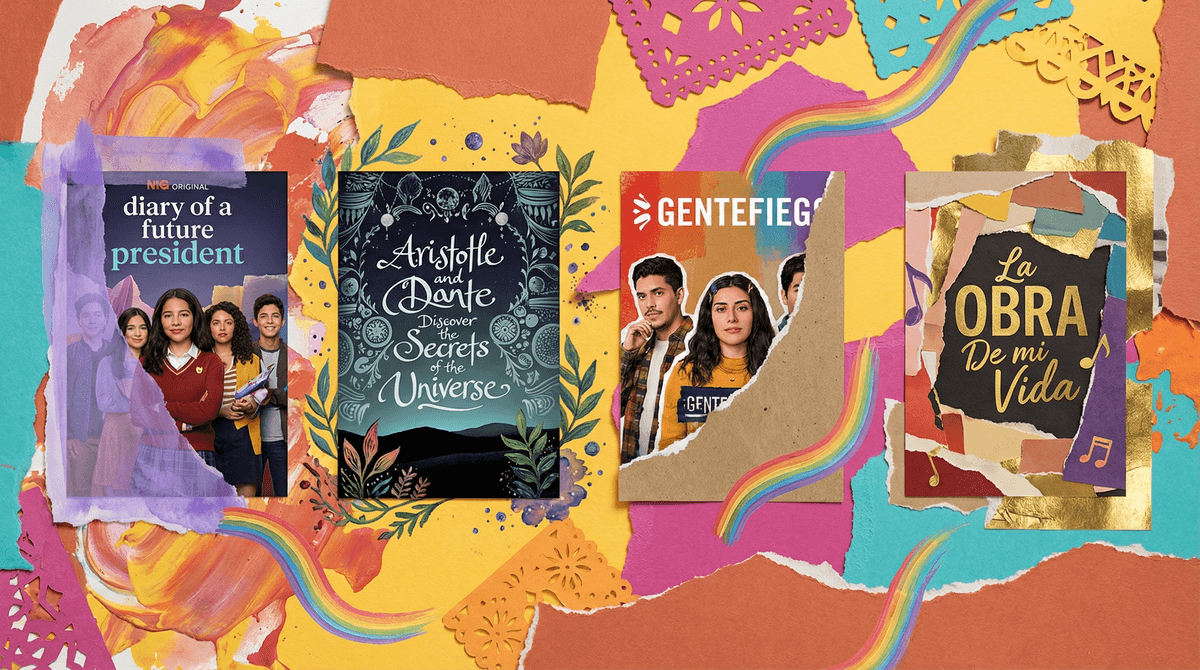
We're talking about films and series that center characters who are both Latino/Latina/Latinx and LGBTQ+—stories where these identities aren't separate checkboxes but lived, intersecting experiences. Think coming-of-age stories set in Miami, family dramas that navigate machismo culture, love stories that happen in Spanish and English, comedies about quinceañeras with two moms.
These aren't niche anymore. Platforms like Netflix, Disney+, and HBO have been investing in authentic Latino LGBTQ+ storytelling, and honestly? Some of the most compelling, beautifully made content of the past few years lives in this space.
But here's the thing: not all of it is age-appropriate for kids, and even the stuff that is appropriate might bring up conversations you want to be prepared for. That's what we're here to help with.
Representation isn't just a buzzword—it genuinely affects how kids see themselves and others. For Latino LGBTQ+ kids, seeing characters who share their cultural background and their identity can be life-changing. For kids who aren't Latino or LGBTQ+, it builds empathy and normalizes the beautiful diversity of human experience.
Also, let's be real: Latino culture has some specific dynamics around gender, sexuality, and family expectations that make these stories particularly rich and complex. The tension between traditional values and individual authenticity, the role of religion, the importance of family approval—these themes show up repeatedly and create opportunities for meaningful conversations.
Plus, these stories are often just good. Like, really good. Award-winning, critically acclaimed, "why am I crying in front of my kids" good.
Elementary (Ages 8-12)
The Proud Family: Louder and Prouder - The reboot includes Michael Collins, an openly gay character, and features Latino characters and storylines. It's playful, age-appropriate, and handles identity with the lightness kids this age need.
Encanto - While not explicitly LGBTQ+, many queer kids (and adults) see themselves in Mirabel's story of not fitting the family mold. The Colombian setting and multigenerational family dynamics are beautifully rendered, and it opens doors to conversations about being different in families with strong expectations.
Middle School (Ages 12-15)
Diary of a Future President - Cuban-American family, includes LGBTQ+ characters and storylines, deals with identity in an age-appropriate way. It's on Disney+ and handles everything from first crushes to cultural expectations without getting too heavy.
The Half of It - Netflix film featuring an Asian-American lesbian protagonist who helps a Latino classmate woo a girl (spoiler: she also likes the girl). It's thoughtful, sweet, and deals with unrequited love in a way that feels true to the teen experience. Some mature themes but nothing graphic.
High School+ (Ages 15+)
Gentefied - Netflix series about a Mexican-American family in LA dealing with gentrification. One of the main characters is gay, and the show handles his coming out, relationships, and place in the family with nuance. Some mature content (language, sexual situations) but excellent for older teens.
Aristotle and Dante Discover the Secrets of the Universe - Beautiful adaptation of the beloved YA novel about two Mexican-American boys in 1980s El Paso discovering their identities and feelings for each other. Tender, not explicit, but definitely deals with coming out and first love.
Vida - Starz series about two Mexican-American sisters in East LA, one of whom is queer. This one's for mature teens only—there's sex, adult language, and heavy themes around family secrets and gentrification. But it's also one of the most authentic depictions of queer Latina life on TV.
Fire Island - While not specifically Latino-focused, this Hulu film features a diverse cast including Latino gay men and is a modern Pride and Prejudice retelling. It's raunchy (definitely 16+) but also genuinely funny and touching about found family.
The "two conversations" reality: Many Latino LGBTQ+ stories deal with the specific challenge of navigating two cultural contexts—one that might be more accepting (school, friend groups, mainstream American culture) and one that might be less so (extended family, church community, traditional cultural spaces). This can lead to conversations about code-switching, family loyalty vs. personal truth, and cultural change.
Religion often plays a role: Catholicism is a significant part of many Latino cultures, and it shows up in these stories—sometimes as a source of conflict, sometimes as something characters reconcile with their identity. Be ready to talk about how different families approach faith and sexuality.
Language matters: Many of these shows and movies code-switch between English and Spanish, which adds authenticity but might also require subtitles. This is actually a great feature—it models bilingual life and can prompt conversations about cultural identity and language.
Not all "representation" is good representation: Some older content or mainstream shows include Latino LGBTQ+ characters who are stereotypes or whose storylines are trauma-focused. Look for stories where characters have agency, joy, and complexity beyond their identity.
Start with your family's readiness: If you haven't talked about LGBTQ+ identities yet, don't start with a show where it's the central conflict. Begin with content where queer characters just exist alongside other storylines (Encanto for younger kids, The Half of It for older ones).
Check content warnings: Even "good" shows might include scenes of rejection, bullying, or family conflict around coming out. Decide if your kid is ready for those emotional beats.
Watch first, or watch together: Depending on your kid's age and your family's approach, either preview content yourself or commit to watching together so you can pause and talk through tough moments.
Follow their lead: If your kid wants to talk, talk. If they want to just watch and process, let them. Sometimes the most powerful thing is just seeing yourself on screen without commentary.
Latino LGBTQ+ representation in media has grown exponentially in the past five years, and much of it is genuinely excellent. Whether you're looking for content because your kid is Latino and LGBTQ+, because they have friends or family members who are, or simply because you want them to see the full spectrum of human experience—there are age-appropriate options.
The key is matching content to your kid's developmental stage, your family's values, and your readiness to have certain conversations. Start with lighter fare and work your way toward more complex narratives as your kids mature.
And remember: seeing diverse stories isn't about "exposing" kids to something foreign—it's about showing them the world as it actually is. Messy, beautiful, and full of people trying to be themselves while honoring where they come from.
Want to explore more? Check out our guide to LGBTQ+ content for kids or Latino representation in media for broader recommendations.
Have specific questions? See age-appropriate LGBTQ+ content or how to talk to kids about LGBTQ+ identities.