

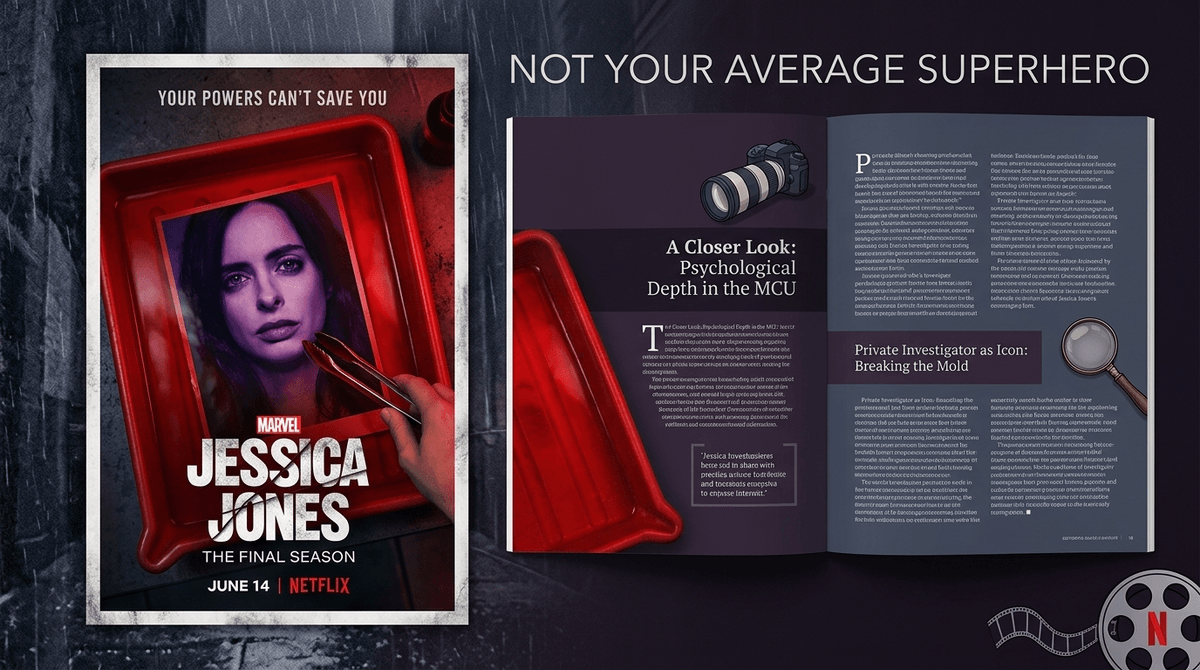
Jessica Jones is the definitive "don't let the Marvel logo fool you" show, earning its TV-MA rating with a brutal exploration of trauma, consent, and enough whiskey-soaked cynicism to make even a seasoned noir fan blink. If your middle schooler is asking to watch this because they saw her pop up in the latest MCU crossover, you need to know that this isn't a "save the world" story—it’s a "survive the day" story that deals with adult themes far more intense than anything in The Avengers.
TL;DR
Jessica Jones is a gritty, TV-MA neo-noir series that is best suited for older teens (16+) and adults due to its graphic depictions of violence, substance abuse, and psychological trauma. While it offers a masterclass in character development and the complexities of consent, Screenwise recommends younger Marvel fans stick to Ms. Marvel or Spider-Man: Across the Spider-Verse for a more age-appropriate superhero experience.
Originally part of the Netflix Marvel lineup (now streaming on Disney+), Jessica Jones follows a former superhero who has hung up her costume to work as a cynical, hard-drinking private investigator in Hell's Kitchen. She has super strength, sure, but her real struggle is with PTSD following a horrific period of mental and physical abuse at the hands of a villain named Kilgrave.
With her recent return to the MCU in 2026, a whole new generation of kids who grew up on the relatively "clean" Disney+ Marvel shows are discovering her for the first time. But parents need to understand that this show was built for a different audience. It’s less about capes and more about the messy, often dark reality of being a survivor.
If you’re seeing Jessica Jones trend on your kid's TikTok feed or hearing about it at school, it’s likely because of the character’s recent "re-integration" into the main Marvel timeline. For years, the "Defenders" characters—including Daredevil and Luke Cage—existed in a sort of TV-MA bubble. Now that they are crossing over into the PG-13 world of the movies, the curiosity factor is through the roof.
Teens are also drawn to the "anti-hero" archetype. Jessica isn't trying to be a role model; she’s sarcastic, she’s messy, and she wears the same leather jacket every day. In a world of polished influencers and "perfect" heroes, that authenticity—even if it's dark—is incredibly magnetic to 15 and 16-year-olds finding their own identity.
Screenwise community data suggests that while 65% of parents feel comfortable with their 14-year-olds watching Iron Man, that number drops to less than 12% for Jessica Jones. Here is why this show is in a different league:
The first season is essentially a 13-hour metaphor for domestic abuse and sexual assault. The villain, Kilgrave, has the power of mind control. He doesn't just make people rob banks; he forces them to "love" him, stay with him, and do things against their will. While the show isn't gratuitous with nudity, the psychological horror of losing your agency is profound and can be very triggering or confusing for younger viewers who haven't yet had nuanced conversations about consent.
Visceral Violence
This isn't "disappearing into a cloud of dust" violence. It’s messy. Characters are hit by buses, hands are crushed, and people are forced to commit suicide in gruesome ways under mind control. The show uses its TV-MA rating to the fullest extent to show the physical consequences of having superpowers in a "real" world.
Substance Abuse as a Coping Mechanism
Jessica is an alcoholic. She uses whiskey to numb her PTSD, and the show doesn't really "Hollywood" it up. You see the hangovers, the bad decisions, and the isolation that comes with it. According to Screenwise’s WISE scoring system, the "Wellness" impact of the show’s depiction of mental health is actually quite high because it’s realistic, but it requires a level of maturity to process.
If you decide your older teen is ready for Jessica Jones, it’s a massive opportunity for some "real talk" sessions. This isn't a show you just let them binge in their room alone.
- Discuss Agency: Ask them, "What makes Kilgrave so much scarier than Thanos?" It leads to a conversation about the importance of personal boundaries and the horror of having your choices taken away.
- Deconstruct the "Hero": Talk about why Jessica rejects the "superhero" label. Is it because she’s selfish, or because she’s protecting herself?
- Mental Health Realism: Compare Jessica’s struggle with PTSD to other media they’ve seen. It’s a great bridge to discussing how people process trauma in the real world.
Ask our chatbot for more conversation starters about mature themes in media
If your kid is 12 or 13 and feeling left out of the Jessica Jones hype, there are plenty of other ways to get that "strong female lead" fix without the heavy trauma:
- Ms. Marvel: Perfect for the middle school crowd. It deals with identity and family but keeps the tone vibrant and hopeful.
- She-Hulk: Attorney at Law: A bit more "adult" in its humor (think PG-13 dating vibes), but way lighter and more comedic than Jessica Jones.
- Stardew Valley: If they need a break from the "gritty city" vibes, this game offers a great way to decompress with zero "brain rot" and total player agency.
- Spider-Gwen in the Spider-Verse movies: Offers that same "cool girl" energy and leather-jacket aesthetic with a much more family-friendly rating.
Q: What age is Jessica Jones appropriate for? Screenwise recommends Jessica Jones for ages 16 and up. The themes of sexual trauma, mind control, and heavy substance abuse require a level of emotional maturity that most younger teens haven't developed yet.
Q: Is Jessica Jones ok for a 13 year old? Generally, no. While every child is different, the show's focus on psychological abuse and visceral violence is usually too intense for the average 13-year-old. If they are desperate for Marvel, Ms. Marvel is a much better fit for that age group.
Q: Does Jessica Jones have a lot of "spice" or nudity? The show features several sex scenes and implied nudity, but it’s not "Game of Thrones" level. The "spice" is more about the intensity and the context of the relationships—which are often toxic or complicated—rather than just graphic visuals.
Q: Why is Jessica Jones rated TV-MA? It earned its TV-MA rating due to strong language, graphic violence (including suicide and dismemberment), and heavy themes of sexual assault and psychological torture. It was designed as "prestige TV" for adults, not as a standard superhero show for kids.
Jessica Jones is a phenomenal piece of television, but it is "adult" in the truest sense of the word. It’s not just about the four-letter words or the blood; it’s about the heavy emotional weight of being a survivor in a broken world. If your teen is ready for those conversations, it’s a powerful watch. If they just want to see someone punch a wall, let them play Spider-Man 2 on PS5 instead.
Check out our full guide on navigating the MCU with your family
- Check the settings: If your kids share your Disney+ account, make sure your parental controls are set to "TV-14" to prevent Jessica Jones from popping up in their recommendations.
- Watch the first episode solo: If you're on the fence, watch the first 20 minutes of Season 1. You'll know immediately if the "vibe" is right for your specific kid.
- Talk about the "Why": If you say no, explain why. Tell them it's not because you're "mean," but because the show deals with adult trauma that's better appreciated when they're a bit older.