

Is The Hunger Games Too Intense for Your Teen?
The Hunger Games books and movies feature kids killing kids in a televised death match. It's brutal, but it's also one of the most thought-provoking YA series of the past two decades. Most teens 13+ can handle it, especially if they're already into dystopian fiction. The books are less graphic than the movies (which are PG-13), and both offer incredible opportunities to talk about media manipulation, authoritarianism, war, and trauma. If your teen is sensitive to violence or struggling with anxiety, you might want to wait or watch/read together.
Quick links:
Here's what parents need to understand: The Hunger Games isn't violence for violence's sake. The entire point of the series is to critique violence as entertainment. The books and movies force readers to confront uncomfortable questions: Would you watch kids fight to the death if your society demanded it? How does media shape our acceptance of brutality? What does it take to resist authoritarianism?
That meta-commentary is what elevates this from "battle royale with teens" to legitimate literature that English teachers assign. But it doesn't change the fact that the core premise involves children murdering each other for survival.
Let's be specific about what happens in The Hunger Games:
In the books: Suzanne Collins describes violence, but she's not gratuitous. Deaths happen quickly. The worst scenes involve tracker jacker hallucinations, Cato's slow death, and the mutts (genetically engineered wolf-creatures). The psychological trauma is more intense than the physical violence—Katniss has severe PTSD throughout the series.
In the movies: The PG-13 rating means the violence is present but not graphic. Quick cuts, shaky cam, and strategic framing keep the actual killing mostly off-screen or implied. You see kids running, hear cannons signaling deaths, but you're not watching prolonged gore. The most disturbing scene is probably Rue's death—not because of blood, but because of the emotional weight.
The later books get darker. Mockingjay (book 3) includes war atrocities, torture, civilian casualties, and characters your teen has grown attached to dying in awful ways. It's heavier than the arena violence of the first book.
The violence is one thing. Here's what sticks with kids:
The helplessness. These kids have zero agency. They're forced into this. Parents can't save them. The system is rigged. For anxious teens, that loss of control can be genuinely distressing.
The moral complexity. Katniss isn't a pure hero. She makes brutal choices. She manipulates people. She's used as a pawn by multiple sides. The "good guys" commit war crimes. There's no clean resolution where everything's okay.
The trauma is real. This isn't a series where characters bounce back. Katniss ends the series deeply damaged. Peeta is tortured and brainwashed. Finnick has been sex trafficked by the Capitol. The books don't shy away from showing that violence has lasting consequences.
The romance is complicated. The love triangle between Katniss, Peeta, and Gale isn't frivolous—it's about whether Katniss can maintain her humanity while being forced to perform emotions for survival. But younger teens might get frustrated that she doesn't just "pick someone."
Ages 11-12: Probably too early for most kids, unless they're mature readers who've already handled Divergent or The Maze Runner. The premise alone can be nightmare fuel. If your 6th grader is begging to read it because "everyone else has," consider starting with something like The Giver—dystopian but less violent.
Ages 13-14: This is the sweet spot. The books are marketed as YA for ages 12+, but 13+ feels more accurate. Most 8th graders can handle the content and engage with the themes. Start with the books before the movies—they're less visually intense.
Ages 15+: At this point, it's less about "can they handle it" and more about "is this their kind of story?" High schoolers who love dystopian fiction will eat this up. Those who don't like dark content will self-select out.
Sensitive kids of any age: If your teen struggles with anxiety, depression, or trauma, the relentless darkness might be too much. The series doesn't offer much hope until the very end, and even then it's bittersweet. Trust your kid's self-awareness—if they're hesitant, don't push.
It's not just about the Games. The first book is about the arena, but the series is really about propaganda, war, and how societies normalize violence. Books 2 and 3 shift into rebellion and full-scale conflict. If your teen loved the survival aspects of book 1, they might be surprised by the political focus later.
The movies tone down the violence but add visual intensity. Seeing the Capitol's opulence and the Districts' poverty hits differently on screen. The casting is incredible (Jennifer Lawrence, Josh Hutcherson, Woody Harrelson), which makes the emotional moments more powerful—and potentially more upsetting.
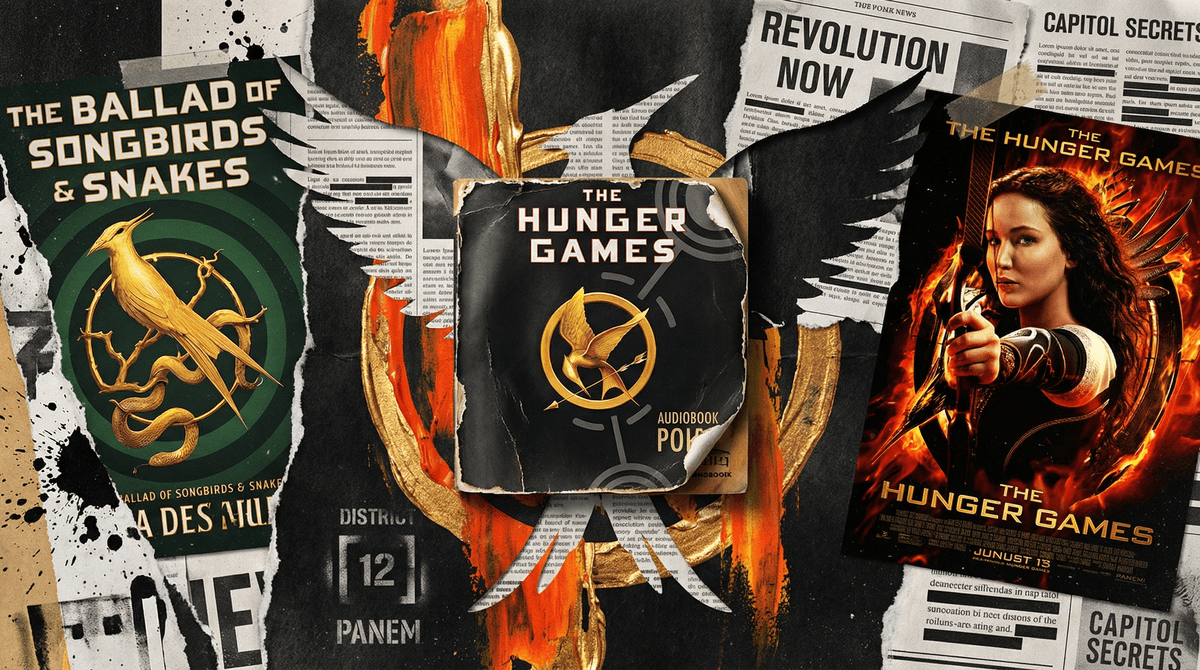
There's a prequel now. The Ballad of Songbirds and Snakes came out in 2020, following a young President Snow. It's darker and more morally ambiguous than the original trilogy. If your teen reads the main series first, they can decide if they want more.
The fandom is still active. Your teen will find thousands of TikToks, fan theories, and discussions about whether Katniss should have ended up with Peeta or Gale. The fandom can enhance the experience, but be aware that some fan content is more mature than the source material.
If your teen is reading or watching The Hunger Games, here are conversation starters:
-
"Why do you think people in the Capitol watch the Games?" This opens up discussion about desensitization to violence and how entertainment can normalize cruelty.
-
"Do you think Katniss had a choice in [specific decision]?" Talk about agency, survival, and whether we can judge people for choices made under extreme circumstances.
-
"How is this similar to reality TV today?" The connection between the Games and shows like Survivor or Big Brother is intentional. What does it mean that we watch people suffer for entertainment?
-
"What would you do in Katniss's position?" Not in the arena—that's too abstract. But would they volunteer for a sibling? Would they trust the rebels? These questions reveal values.
-
"How is Katniss dealing with everything that happened?" The PTSD representation is one of the series' strengths. It's a chance to talk about trauma, mental health, and recovery.
If The Hunger Games feels too intense, try:
- The Giver by Lois Lowry — dystopian but gentler
- Among the Hidden by Margaret Peterson Haddix — oppressive government, no death matches
- Uglies by Scott Westerfeld — body autonomy and conformity themes
If they loved it and want more:
- Divergent series — similar dystopian vibes, slightly less dark
- Red Rising by Pierce Brown — Hunger Games meets sci-fi, but more violent (16+)
- Battle Royale by Koushun Takami — the original death game story, much more graphic (17+)
Check out our full guide to dystopian books for teens for more options.
The Hunger Games is intense, but it's intense with purpose. The violence isn't glorified—it's critiqued. The story doesn't pretend that trauma disappears—it shows the cost of survival. For teens 13 and up who are ready for darker content, this series offers more substance than most YA fiction.
Read it with them if you're worried. You don't have to hover, but checking in after each book gives you insight into how they're processing the content. If they're breezing through without seeming affected, they're probably fine. If they're having nightmares or seem unusually anxious, pump the brakes.
Trust your teen's judgment. Most kids know their limits. If they're asking to read it, they've probably already been exposed to the concepts through friends or social media. If they're reluctant even when friends are reading it, don't force it.
The conversations matter more than the content. The Hunger Games can be a gateway to discussions about media literacy, government power, war, and resistance that your teen might not engage with otherwise. That's the real value—not whether they can "handle" the violence, but whether they can think critically about what it represents.
Want to dig deeper into whether this is right for your specific teen? See if The Hunger Games is right for your teen for personalized guidance.