The claustrophobia factor
While most dystopian stories for kids jump straight into the action or the "chosen one" heroics, Margaret Peterson Haddix starts with something much more stifling. Luke’s entire world is the attic and the small patches of floor he can walk on without being seen through a window. It’s a slow-burn psychological thriller before it ever becomes an adventure.
This is what makes the book work so well for kids who aren't usually into "action" stories. The tension isn't about explosions; it's about the sound of a doorbell or a new neighbor moving in next door. If your kid is sensitive to anxiety, this might feel heavy, but for most, it’s a masterclass in building suspense. It taps into that universal childhood fear of being "found out" or breaking a rule you don't fully understand.
The gateway to the apocalypse
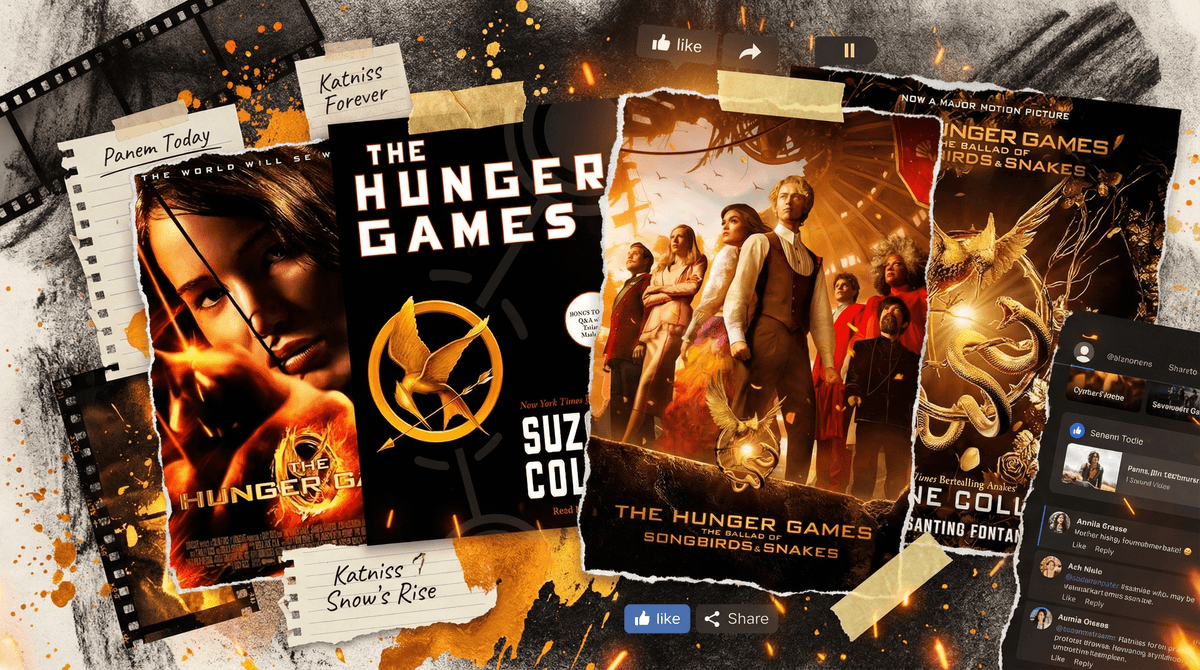
If you feel like your kid is hovering in that middle-ground where they've outgrown basic adventure stories but aren't quite ready for the brutal arena combat of The Hunger Games, this is the perfect bridge. It introduces the concept of a "corrupt system" without needing a body count in every chapter.
We often see parents looking for age-appropriate dystopian books for tweens because the genre is so crowded with YA titles that are actually meant for 16-year-olds. Among the Hidden hits the sweet spot. It deals with big, scary ideas—like government-enforced population control—but keeps the perspective grounded in Luke’s twelve-year-old logic. It’s sophisticated enough to not feel like a "baby book," but it doesn't cross the line into the gratuitous violence found in later teen series.
The "Jen" effect and the tech gap
Jen is the spark that makes the story move, and her character provides a sharp contrast to Luke’s caution. She’s wealthy (a "Baron"), she’s internet-savvy, and she’s fearless.
One interesting thing to watch for: since this was written in 2000, the "high-tech" resistance Jen runs through online chat rooms might feel a little retro to a kid raised on Discord and TikTok. However, the core idea—that the internet is a place where marginalized kids find their community and plot their own futures—is more relevant now than it was twenty-five years ago.
Why the 4.7 rating holds up
With a 4.7 on Amazon, it’s clear this isn't just a "school assignment" book. It’s one of those rare titles that kids actually finish and then immediately ask for the next six books in the Shadow Children series.
The prose is lean. Haddix doesn't waste time on flowery descriptions; she focuses on the paranoia. That directness makes it a great pick for "reluctant readers" who get bored by long-winded world-building. You get the rules of the world, you get the stakes, and you get the looming threat of the Population Police within the first few chapters. It’s an efficient, effective gut-punch of a story.