

Is Lucas the Spider Overstimulating for Toddlers?
Lucas the Spider is one of the gentlest, slowest-paced shows available for toddlers right now. Most kids find it calming, not overstimulating. But a small subset of highly sensitive toddlers can get overwhelmed by the music, Lucas's high-pitched voice, or the emotional intensity of certain episodes. If your kid seems wired after watching, try the original 1-2 minute YouTube shorts instead of the full episodes, watch together to gauge their response, or stick to shows with even less sensory input like Bluey or Sarah & Duck.
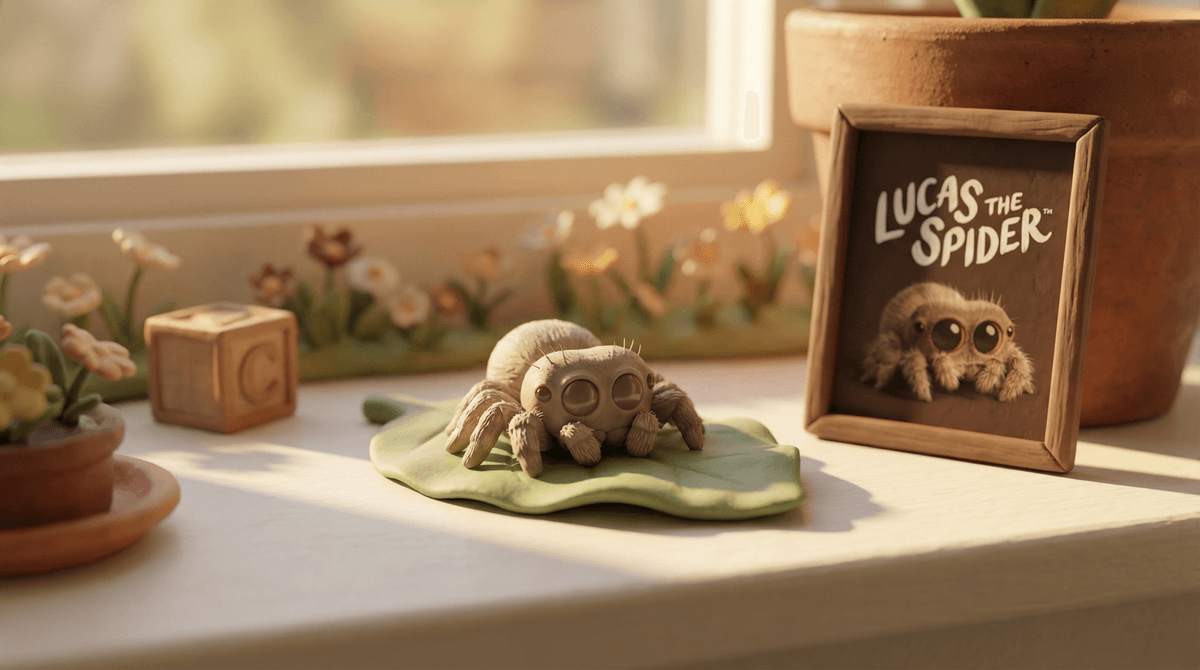
Lucas the Spider started as a series of adorable YouTube shorts featuring an animated jumping spider with giant eyes and a squeaky voice. The original videos (created by animator Joshua Slice) were 30 seconds to 2 minutes long and went massively viral because they made spiders cute instead of creepy.
The success led to a full animated series that premiered on Cartoon Network and is now available on various streaming platforms. The show follows Lucas and his bug friends (Findley the fly, Avocado the mantis, Bodhi the beetle) as they navigate life in a garden with gentle, slice-of-life storylines about friendship, problem-solving, and trying new things.
Each episode runs about 11 minutes and maintains the sweet, wholesome vibe of the original shorts—just with more developed characters and storylines.
Lucas the Spider consistently ranks as one of the least problematic shows for young kids. There's no violence, no potty humor, no sarcasm, no commercial tie-ins, and the pacing is notably slower than most modern kids' content. The show teaches genuine emotional intelligence—characters talk about their feelings, apologize when they mess up, and work through conflicts without yelling or meanness.
But here's where the "overstimulation" concern comes in: Lucas's voice is very high-pitched and enthusiastic. The original YouTube shorts featured actual voice recordings of Joshua Slice's young nephew, which gave Lucas that authentic toddler energy. The series maintains that squeaky, excitable vocal quality. For most kids, this is endearing. For some highly sensitive toddlers, it can be grating or overwhelming.
Additionally, the show includes background music throughout most scenes (as most kids' shows do), and some episodes deal with emotionally intense situations like feeling left out, being scared of the dark, or missing a friend. These aren't handled in a scary or inappropriate way—they're actually beautifully done—but for a toddler who's already at their sensory limit, even gentle emotional content can tip them over the edge.
Let's get specific about what overstimulation looks like in toddlers, because "my kid seems hyper after watching" doesn't always mean the show is the problem.
Signs a show might genuinely be overstimulating:
- Your toddler seems anxious, clingy, or tearful during or after watching
- They have trouble transitioning away from the screen (more than the normal "but I want more!" protest)
- They're noticeably more aggressive, impulsive, or unable to self-regulate after viewing
- Sleep becomes disrupted on days they watch the show
- They seem "wired" rather than just energetic—like they can't settle their body
Normal post-screen energy that ISN'T overstimulation:
- Running around acting out scenes from the show
- Talking excitedly about what they watched
- Wanting to play related games or activities
- Being disappointed when screen time ends
- Having typical toddler energy levels
The research on screen-based overstimulation in young children generally focuses on fast-paced editing, loud sound effects, flashing lights, and chaotic action—think Cocomelon or Blippi rather than Lucas the Spider. Lucas has slow pans, gentle transitions, and a narrative pace that's closer to Daniel Tiger's Neighborhood than anything resembling "brain rot" content.
Ages 2-3: Lucas the Spider is officially rated TV-Y (appropriate for all children), and it's genuinely one of the better options for this age group. The episodes are short enough to hold attention without requiring marathon viewing sessions, and the content is emotionally appropriate for toddlers who are just learning to identify feelings.
That said, very young or highly sensitive toddlers might do better with:
- The original 1-2 minute YouTube shorts rather than full episodes
- Watching with a parent who can pause and talk through emotional moments
- Limiting to one episode at a time rather than auto-playing multiple episodes
- Choosing specific episodes that match your child's current emotional bandwidth (some episodes are lighter and sillier, others deal with bigger feelings)
Ages 4-6: This is the sweet spot for Lucas the Spider. Kids this age can fully appreciate the storylines, relate to the friendship dynamics, and handle the emotional content without getting overwhelmed. The show also works well as a "calm down" option after more active play or before nap/bedtime.
If you've tried Lucas the Spider and your toddler seems genuinely overstimulated (not just normally energetic), here are shows with even gentler sensory input:
- Bluey - Slower pacing, realistic family dynamics, less background music
- Sarah & Duck - Extremely calm, quiet, whimsical British show with minimal dialogue
- Elinor Wonders Why - PBS show about science and nature with a very gentle approach
- Puffin Rock - Narrated by Chris O'Dowd, nature-focused, very soothing
You can also explore calming shows for toddlers for more options.
The voice thing is real. If Lucas's high-pitched voice drives you up the wall, you're not alone. Some parents report that while their kids love the show, they (the adults) find the voice genuinely irritating. This is completely valid. You can absolutely decide a show isn't right for your family based on the parent tolerance factor—your mental health matters too.
Context matters more than content. A toddler who's already had a stimulating day (playdate, outing, lots of transitions) might get overwhelmed by Lucas even though it's objectively a gentle show. The same kid might watch happily after a quiet morning at home. Pay attention to when and how your child watches, not just what they're watching.
Screen time is cumulative. If your toddler is watching Lucas the Spider plus Sesame Street plus YouTube videos plus games on your phone, the issue might not be Lucas specifically—it might be total screen exposure. Even gentle content adds up.
Individual sensitivity varies wildly. Some toddlers can watch Paw Patrol (which is significantly more stimulating than Lucas) and be totally fine. Others get overwhelmed by the gentlest content. Neither response is wrong—kids just have different sensory thresholds.
Lucas the Spider is not overstimulating for most toddlers. It's one of the slower-paced, gentler options available, with genuinely thoughtful content about emotions and friendship. If your kid seems wired or anxious after watching, the show might not be the right fit for their particular sensory needs—but that's about your individual child, not a problem with the show itself.
Try the original YouTube shorts first (they're shorter and less emotionally complex), watch together so you can gauge their response, and pay attention to the context around viewing (time of day, what else has happened, total screen time).
And if it doesn't work for your family? That's completely fine. There are plenty of other gentle shows for toddlers that might be a better match. The goal isn't to find the "perfect" show—it's to find what works for your actual kid on any given day.
If you're trying to figure out whether your toddler's response to any show is typical or concerning, learn more about screen time and toddler development or explore signs of screen overstimulation in young children.