

TL;DR
The Hunger Games by Suzanne Collins is officially rated for ages 12+, but most experts (and honestly, most parents) agree that 13-14+ is more realistic given the intense violence, disturbing themes, and emotional complexity. If your middle schooler is asking to read it, they're probably ready for a conversation about whether they're ready—not an automatic yes or no.
Quick decision framework:
- Ages 11-12: Probably too young unless they're exceptionally mature readers who've handled dark content before
- Ages 13-14: The sweet spot—most kids this age can handle it with some check-ins
- Ages 15+: Go for it, but still worth discussing the themes
In case you've somehow avoided this cultural phenomenon for the past 15+ years: The Hunger Games is a dystopian young adult novel where 24 teenagers (ages 12-18) are forced to fight to the death in a televised arena as punishment for a past rebellion. The protagonist, 16-year-old Katniss Everdeen, volunteers to take her younger sister's place and becomes a symbol of resistance against an oppressive government.
It's Battle Royale meets reality TV meets political commentary. And yes, your kid has probably already heard about it from friends, seen memes, or encountered the movies on streaming.
The official publisher rating is 12+, but here's why most parents and educators land on 13-14+ as more appropriate:
The Violence Is Genuinely Disturbing
This isn't cartoon violence or off-page conflict. Kids kill other kids with weapons. There are graphic descriptions of injuries, deaths, and suffering. Suzanne Collins doesn't shy away from showing the horror of what's happening—that's actually the point of the book. Some of the deaths are particularly brutal:
- A 12-year-old girl is speared through the stomach
- Characters are mauled by genetically engineered creatures
- Teenagers form alliances knowing they'll eventually have to kill each other
- The psychological trauma of being forced to murder peers is explored in detail
The Themes Are Heavy and Complex
Beyond the violence, this book tackles:
- Government oppression and propaganda - The Capitol uses the Games to maintain control through fear
- Class warfare and economic inequality - The stark divide between the wealthy Capitol and the starving districts
- Trauma and PTSD - Katniss and other victors suffer lasting psychological damage
- Sacrifice and moral compromise - Characters make impossible choices with no good options
- Media manipulation - How reality TV and spectacle can normalize atrocities
Your 12-year-old might be able to read the words, but do they have the emotional and intellectual framework to process these concepts? That's the real question.
The Emotional Weight Is Significant
This isn't a fun adventure story. It's bleak. Kids die. Good people make terrible choices. The "happy ending" is bittersweet at best. Katniss suffers from severe PTSD throughout the series. If your kid tends to ruminate on dark content or gets nightmares easily, that matters here.
Age is just one factor. Here's what actually predicts whether your teen can handle The Hunger Games:
They can handle:
- Previous exposure to serious themes - Have they read The Giver? Watched intense movies? How did they respond?
- Distinguishing fiction from reality - Can they understand this is a cautionary tale, not a how-to guide?
- Processing disturbing content - Do they want to talk about what bothers them, or do they shut down?
- Complex moral questions - Can they sit with "there's no right answer" situations?
Red flags that they might not be ready:
- They're easily scared by age-appropriate content
- They struggle with anxiety or intrusive thoughts
- They have a history of imitating concerning behavior from media
- They're not interested in discussing what they read
Despite the darkness, there's a reason The Hunger Games became required reading in many schools and launched a thousand book club discussions:
It's a gateway to critical thinking about media and power. Kids who read this book start asking questions about how governments maintain control, how media shapes narratives, and how economic inequality creates suffering. These are conversations worth having with your teen.
Katniss is a genuinely complex protagonist. She's not a perfect hero. She makes mistakes, struggles with her feelings, and doesn't always know what's right. She's traumatized and angry and sometimes selfish. This is good for teens to see—characters who are heroic without being flawless.
It validates teenage anger at injustice. If your kid is starting to notice that the world isn't fair, that systems are rigged, that adults don't always have the answers—this book meets them there. It doesn't tell them everything will be fine. It tells them their anger is justified and resistance matters.
The writing is actually good. Collins is a skilled writer who respects her audience. The pacing is tight, the world-building is thoughtful, and the emotional beats land. This isn't Twilight-level prose (no shade, different purposes).
If you've decided your kid might be ready, don't just hand them the book and walk away. Here's a better approach:
Read It Yourself First (or Read Along)
You don't need to love YA dystopian fiction, but you should know what you're greenlighting. Plus, it's a quick read—you can knock it out in a weekend. Reading together or discussing as they go gives you natural conversation openings.
Set Expectations Upfront
"This book has some really intense violence and disturbing themes. Kids die in graphic ways. If it gets too much, we can take a break or talk about it. No judgment if you want to stop."
Check In Periodically
"How are you feeling about what you're reading? Anything hitting you harder than you expected?" Don't interrogate, just open the door.
Use It as a Springboard for Bigger Conversations
- "Why do you think Collins made the violence so graphic instead of keeping it off-page?"
- "What parallels do you see between the Capitol and real-world governments?"
- "How does the book critique reality TV and media spectacle?"
- "What would you do in Katniss's position?"
Watch for Concerning Reactions
If your kid becomes obsessed with the violence, seems desensitized, or starts romanticizing the Games themselves (rather than seeing them as horrific), that's worth addressing. The point of the book is that the Games are wrong—if that message isn't landing, pump the brakes.
If your 11-12-year-old is dying to read dystopian fiction but you think The Hunger Games is too intense, try these instead:
- The Giver - Dystopian themes with less graphic violence (ages 10+)
- Hatchet - Survival story with real stakes but no murder (ages 10+)
- Among the Hidden - Dystopian world with lower intensity (ages 9-12)
- City of Ember - Mystery-focused dystopia, lighter tone (ages 9-12)
Or if they're specifically interested because of the movies, you could watch those together first—they're actually less graphic than the books in some ways, and you can gauge their reaction.
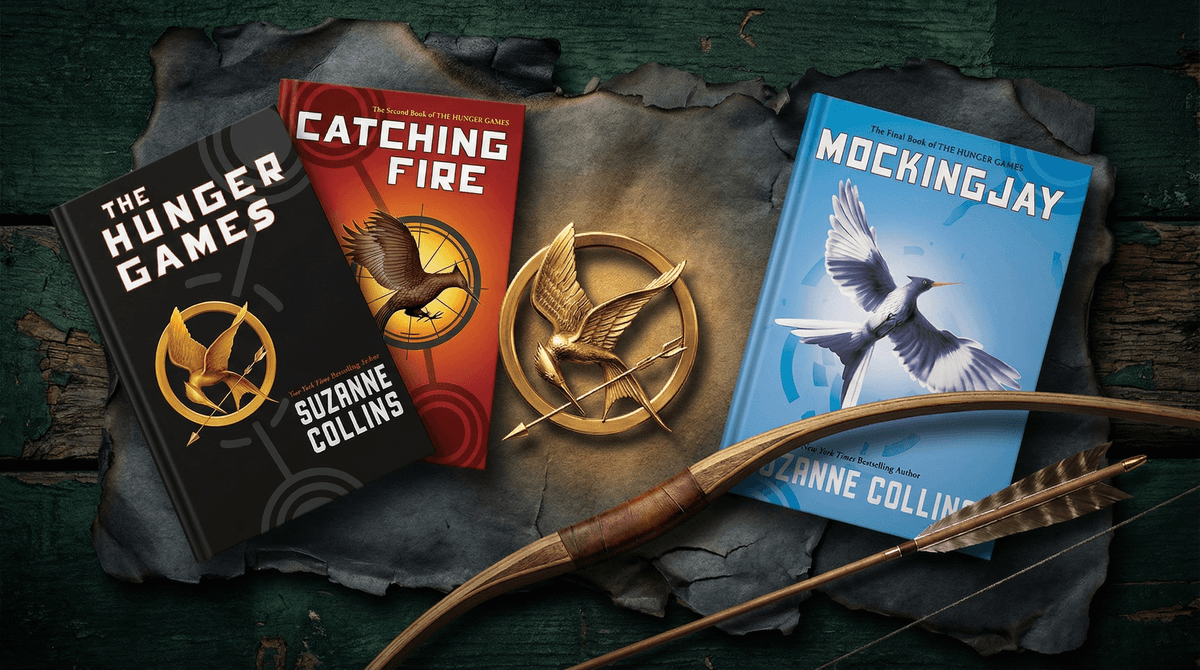
If your teen handles the first book well, Catching Fire and Mockingjay get progressively darker. Mockingjay in particular deals with war, propaganda, civilian casualties, and severe PTSD. The ending is intentionally unsatisfying and melancholy.
The good news: if they're mature enough for book one, they can probably handle the sequels. Just keep those check-ins going, especially as the body count rises and the political themes get more complex.
The Hunger Games is a powerful, well-written book that's genuinely disturbing by design. The 12+ rating is technically accurate but practically optimistic. Most kids are better equipped to handle it at 13-14+, and even then, it depends on the individual kid.
The violence isn't gratuitous—it serves the story's themes about oppression, media, and the cost of survival. But it's still violence, and it's still kids killing kids. That's a lot to process.
Your job isn't to shield your teen from difficult content forever. It's to help them encounter it at the right time, in the right context, with the right support. If your gut says they're ready, trust that. If your gut says wait a year, trust that too.
And if they read it and it's too much? That's valuable information about their current capacity, not a failure. You can always revisit it later.
- Check out alternatives to The Hunger Games if you want similar themes with different intensity levels
- Read our guide to dystopian books for teens for more recommendations
- Ask questions about your specific kid's readiness—See if your kid is ready
 for personalized guidance