Our reviews and ratings are 100% unbiased. Screenwise is a Bookshop.org affiliate and an Amazon Associate, so if you buy a book through one of our links, we may earn a commission. Bookshop.org purchases also support independent bookstores.
Screenwise Verdict
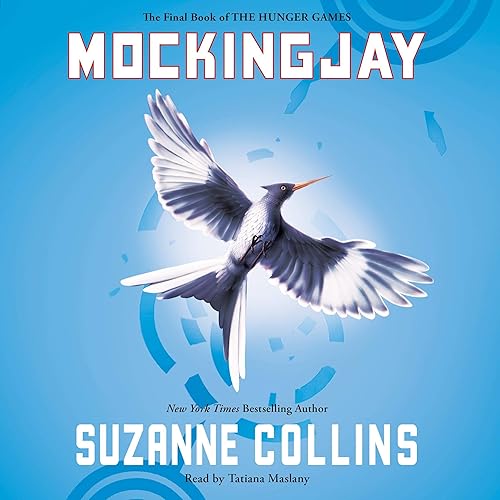
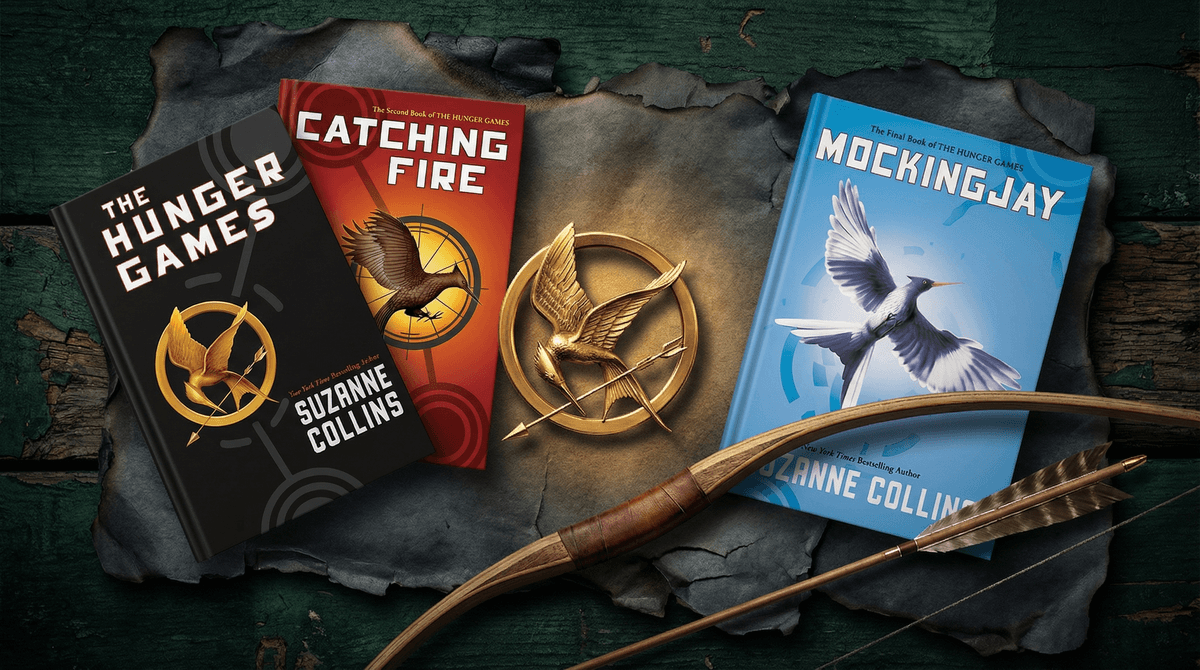
Let's be real: Mockingjay is a tough read. It's the book where Collins stops pulling punches and shows what war actually costs. Beloved characters die horrible deaths. Katniss spends most of the book in a PTSD fog. The ending feels more like survival than triumph.
That said, it's intellectually powerful. The questions it raises about propaganda, revolution, and the cycle of violence are genuinely sophisticated. Collins refuses to give easy answers or happy endings, which is both the book's strength and why so many readers—kids and parents alike—found it devastating.
If your teen is mature, emotionally resilient, and ready for a story that doesn't tie things up with a bow, this completes the trilogy in a way that's honest about what overthrowing tyranny actually looks like. But if they're looking for the arena thrills of the first book or need a feel-good ending, this will disappoint. It's a war novel disguised as YA, and it earns its darkness—but that doesn't mean it's for everyone.
Age Fit
This is strictly for mature teens 14+ who can handle graphic war violence, depression, and moral ambiguity without being traumatized. Younger readers who loved the first two books may not be emotionally ready for how dark this gets. If your kid is sensitive or struggles with anxiety, wait.
WISE Breakdown
Wholesome
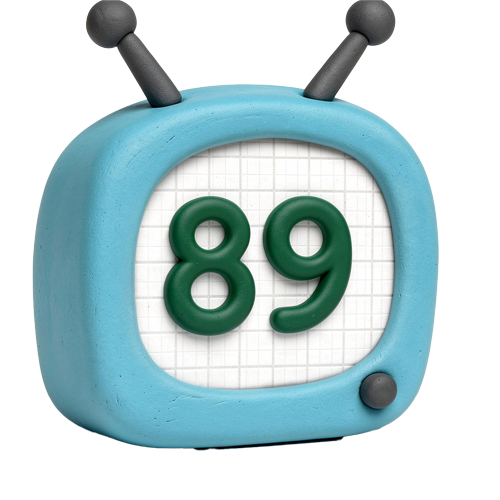
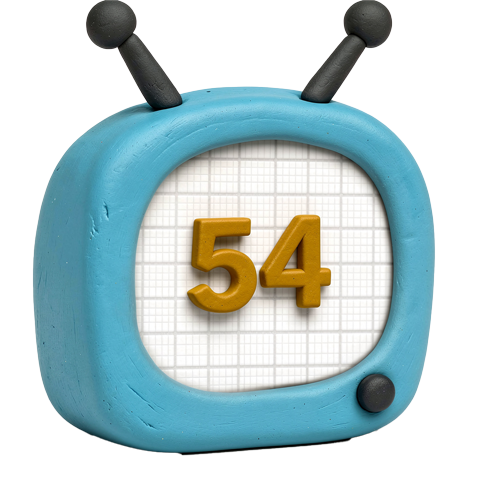
42
This is the darkest, most emotionally brutal entry in the trilogy. Katniss suffers severe PTSD, depression, and suicidal ideation throughout. The book opens with her home destroyed and closes with mass casualties including beloved characters—some deaths are particularly cruel (Prim's death, Finnick's graphic demise). The tone is relentlessly grim: propaganda, war trauma, mental breakdown, and moral ambiguity dominate. While it models resilience in the face of trauma, the emotional weight is heavy and offers little reprieve. Not emotionally healthy for younger readers.
Imaginative
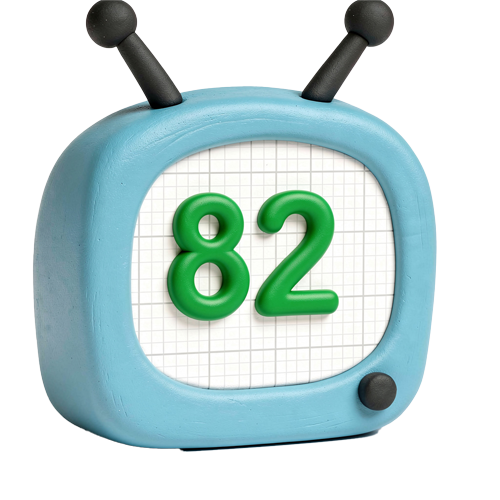
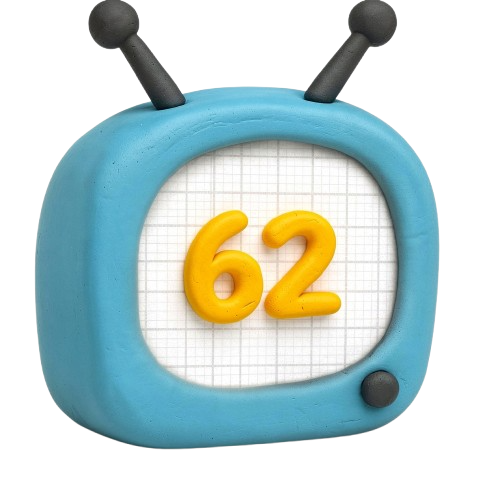
72
Collins constructs a compelling dystopian war narrative with District 13's underground society, propaganda filmmaking, and strategic rebellion plotting. The Mockingjay symbol as revolutionary icon is clever. However, this book is more about executing a war than exploring new worlds—it's confined largely to bunkers and battle zones. The imaginative elements are present but constrained by the grimness of the plot. It invites critical thinking about propaganda, revolution, and power rather than creative play or wonder.
Safe
38
Multiple graphic deaths including children being bombed (Prim), Finnick's death by mutts is described in disturbing detail, mass casualties, torture (Peeta's hijacking), PTSD and mental health crisis, suicide attempts, and a deeply depressing tone throughout. The violence is more realistic and war-focused than the arena spectacle of earlier books. Parent reviews consistently note how disturbing and depressing this book is. While there's no sexual content or profanity, the psychological and physical violence is intense and could be genuinely traumatic for younger or sensitive readers.
Enriching
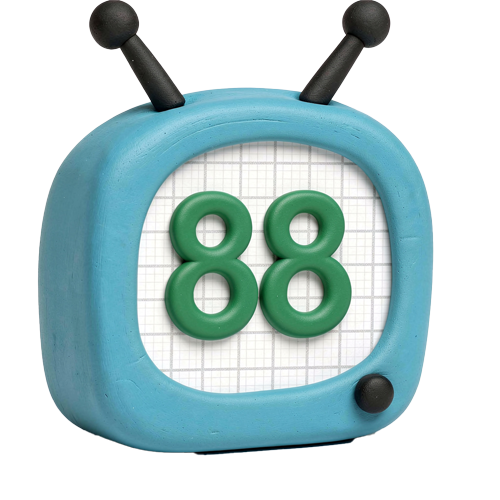
78
This is a sophisticated exploration of war, propaganda, PTSD, moral complexity, and the cost of revolution. Collins doesn't offer easy answers—both sides use children as pawns, good people die senselessly, and victory feels hollow. It challenges readers to think critically about power, media manipulation, and the cycle of violence. The ethical questions are profound: Is Coin better than Snow? What justifies violence? How do we break cycles of oppression? These are mature, enriching themes that offer real insight into human nature and political systems. Strong 4.6 Amazon rating suggests readers find it meaningful despite (or because of) its darkness.
Parent Info
✓
Why It Might Be Great
Unflinching look at war, PTSD, and the true cost of revolution—no sugarcoating, no easy victories
Challenges readers to think critically about propaganda, power, and whether the ends justify the means
Katniss's mental health struggles are portrayed realistically, validating trauma responses
Morally complex: both sides manipulate, good people die, and 'winning' doesn't mean healing
Sophisticated political commentary that respects teen readers' intelligence
⚠
What to Watch For
Relentlessly dark tone—multiple beloved characters die, often graphically or senselessly
Katniss experiences severe PTSD, depression, and suicidal thoughts throughout
Graphic war violence including children being bombed and characters torn apart by mutts
The ending is bittersweet at best, hollow at worst—don't expect catharsis or closure
Many parents report their kids found this deeply upsetting compared to books 1 and 2
Conversation Starters
"Do you think Coin was really any better than Snow? What makes a leader worthy of power?"
"Why do you think Collins killed off Prim? Was it necessary to the story or just cruel?"
"How did Katniss's PTSD affect her decisions? Have you ever felt like trauma changed how you see things?"
"The book shows both sides using propaganda and manipulation. How do we know what to believe in real conflicts?"
"Was the revolution worth it? What would you have done differently?"