

How to Deal with Online Trolls: Teaching Kids to Handle Digital Harassment
Look, if your kid is online—and let's be real, they probably are—they're going to encounter trolls eventually. Not the cute kind from Trolls (the movie), but the kind that leave mean comments, send nasty DMs, or just generally make the internet feel like a hostile place.
The good news? This is teachable. The bad news? You can't just tell them "ignore it" and call it a day. Kids need actual strategies, and honestly, so do most adults.
Trolling is when someone deliberately tries to provoke, upset, or get a reaction from others online. It ranges from mildly annoying (spamming "L + ratio" on every post) to genuinely harmful (targeted harassment, doxxing, sending threats).
Here's what makes it tricky: Not all mean behavior online is trolling. Sometimes it's cyberbullying (repeated, targeted harassment from someone they know). Sometimes it's just conflict between friends that spilled into the group chat. And sometimes, yeah, it's a stranger who gets their kicks from making 12-year-olds cry.
The distinction matters because the response should be different. A troll wants attention and chaos. A bully wants power. A friend-turned-enemy needs a different conversation entirely.
Basically anywhere with a comment section or chat feature:
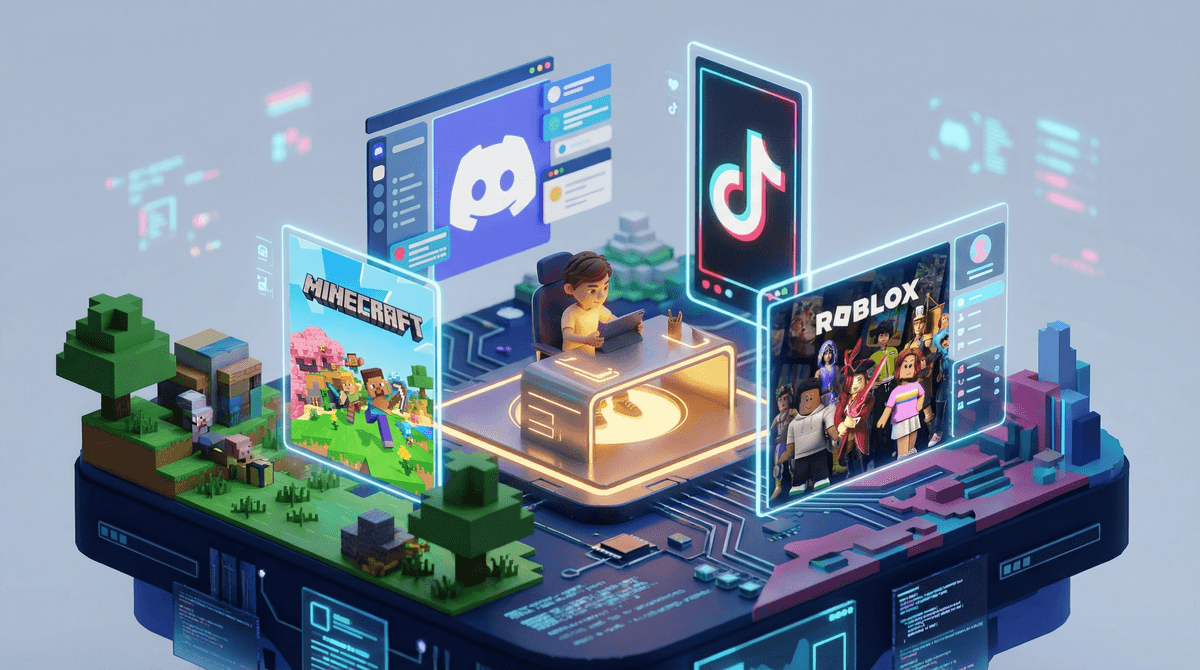
- Gaming platforms like Roblox, Fortnite, and Minecraft servers (especially public ones)
- Social media including TikTok, Instagram, Snapchat, and yes, even BeReal
- YouTube comments (the Wild West of the internet)
- Discord servers (particularly large public ones)
- School-related platforms like Google Classroom or shared docs (trolls can be classmates too)
Middle schoolers are especially vulnerable—they're old enough to be on these platforms but still figuring out social dynamics and emotional regulation. High schoolers deal with more sophisticated trolling, including coordinated harassment and "cancel culture" dynamics.
Understanding motivation helps kids not take it personally (easier said than done, I know).
Trolls troll because:
- They're bored and think it's funny
- They want attention and power (even negative attention counts)
- They're dealing with their own stuff and taking it out on others
- They're part of a group that rewards this behavior
- Anonymity makes them feel consequence-free
Here's what I tell kids: A troll's behavior says everything about them and nothing about you. Someone who spends their afternoon leaving mean comments on Roblox builds is telling you they have nothing better to do. That's... sad, actually.
Yes, trolls want reactions. Yes, responding often makes it worse. But "just ignore it" isn't a complete strategy, especially when:
- The harassment is persistent or escalating
- It involves threats or doxxing
- It's affecting your child's mental health
- Other kids are piling on
- It's happening in a space they can't easily leave (like a school Discord)
Better framework: Don't engage, but DO document and report.
For Kids Ages 8-12:
1. The Screenshot-Block-Report Triple Play
- Screenshot the harassment (evidence matters)
- Block the user immediately
- Report to the platform
- Tell a trusted adult
Make this muscle memory. Practice it. Role-play it if you need to.
2. The "Weird Flex" Reframe When someone says something mean, help them see it as weird behavior, not truth. "This person is spending their Saturday calling strangers names in Roblox. That's a weird way to spend time, right?"
3. Privacy Settings Check
Go through privacy settings on every platform together. Who can comment? Who can DM? Who can see their posts? Lock it down.
4. The Buddy System Encourage them to play/post with friends who have their back. Trolls often target kids who seem isolated.
For Teens (13+):
1. The Sophisticated Ignore Sometimes the best response is a strategic non-response. Not blocking (which shows you're bothered), but genuinely moving on with your life. This takes emotional maturity but is incredibly powerful.
2. The Ratio Strategy If someone leaves a mean comment, having friends leave supportive comments can effectively bury it. This isn't "feeding" the troll—it's community support.
3. The "Main Character" Trap Talk about how trolls try to make you feel like you're the main character in their drama. You're not. You're an extra in their sad movie. Act accordingly.
4. Platform-Specific Tools Learn the tools:
- Instagram: Restrict accounts, hide comments with specific words, limit who can reply
- TikTok: Filter comments, enable "friends only" for messages
- Discord: Use server moderation tools, create private channels
- YouTube: Disable comments, hide users, use Restricted Mode
5. The Nuclear Option Sometimes you need to leave the platform, server, or group. That's not weakness—that's boundaries. If a Discord server has toxic moderation, leave. If a game's community is consistently awful, find a different game. Your mental health > any digital space.
Jump in immediately if:
- Threats of violence (even "joking" ones)
- Sexual harassment or unwanted explicit content
- Doxxing (sharing personal information)
- Coordinated harassment from multiple accounts
- Impersonation
- Anything involving blackmail or coercion
- Your child seems withdrawn, anxious, or depressed
- It's affecting sleep, appetite, or school performance
This is not overreacting. This is appropriate parenting.
Don't:
- Dismiss it as "just online drama"
- Tell them to "just get off the internet" (not realistic or helpful)
- Immediately confiscate devices (this makes them hide future problems)
- Contact the troll or their parents without a clear plan (usually makes it worse)
- Post about it on your own social media (embarrassing and unhelpful)
Do:
- Listen without immediately problem-solving
- Validate their feelings ("That sounds really hurtful")
- Help them document everything
- Report to platforms together
- Contact school if it involves classmates
- Consider professional help if it's affecting mental health
- Learn the platforms they're using so you can have informed conversations
Here's the tightrope: We want kids to be resilient and not let trolls get to them, but we also don't want to imply it's their fault or they're "too sensitive."
The balance:
- "This isn't your fault" + "Here are tools to protect yourself"
- "Your feelings are valid" + "Let's build skills so this doesn't derail your day"
- "Some people are jerks" + "You can't control them, but you can control your response"
Resilience isn't about not feeling hurt. It's about having strategies to cope, recover, and move forward.
At some point, have the meta-conversation: Could your kid be the troll?
Kids who are trolled sometimes troll others. It's a way to regain power. Talk about:
- How their words affect real people
- The difference between joking with friends and piling on strangers
- Why anonymity doesn't equal consequence-free behavior
- How to be an upstander when they see others being trolled
Online trolls are an unfortunate reality of digital life, but they don't have to define your child's online experience. With the right tools—technical (blocking, reporting, privacy settings) and emotional (perspective, resilience, support)—kids can navigate these situations without lasting harm.
The goal isn't to eliminate all negative online interactions (impossible). It's to help your child develop the judgment to recognize trolling, the skills to respond appropriately, and the emotional resilience to not internalize it.
And honestly? These are life skills that'll serve them well beyond the internet.
- Have the conversation before there's a crisis—talk about trolls proactively
- Review privacy settings on every platform they use (here's how to do that)
- Establish a reporting protocol so they know exactly what to do if it happens
- Check in regularly about their online experiences, not just when something goes wrong
- Model good behavior in your own online interactions (they're watching)
If your child is dealing with persistent harassment or cyberbullying, learn the difference between trolling and bullying and when to escalate to school administrators or even law enforcement.
You've got this. And more importantly, with your support, they've got this too.