

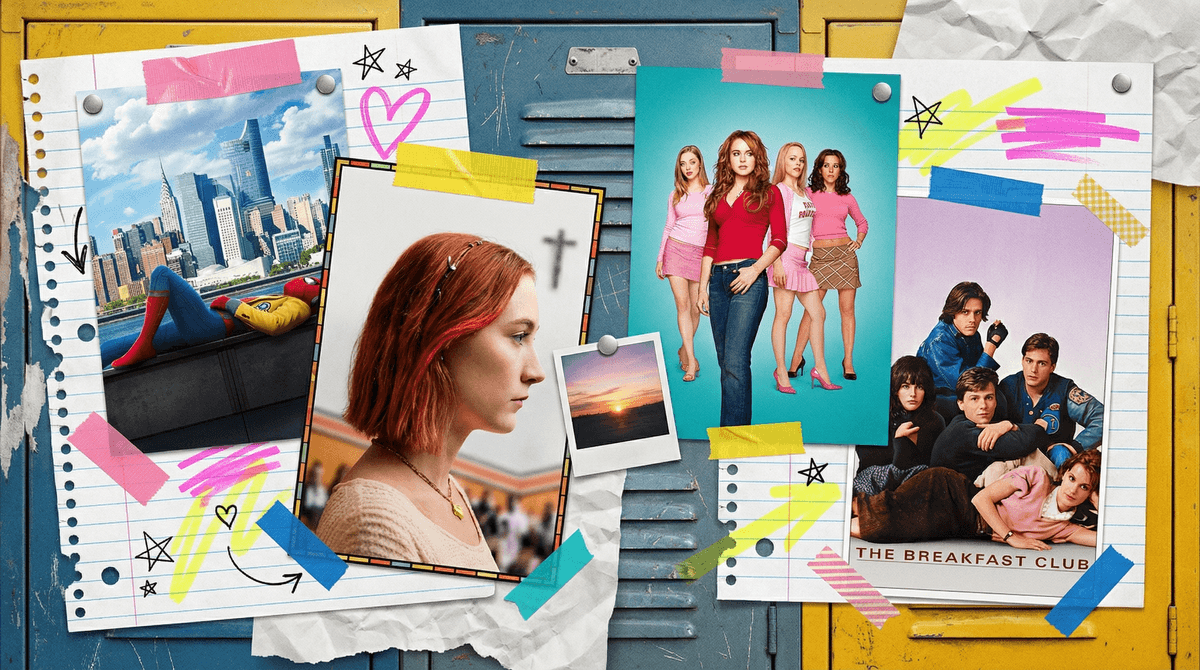
Look, we need to talk about high school movies. Because at some point, your teen is going to want to watch one (or has already binged half of them without telling you), and you're going to wonder: Is this actually good? Is it going to give them wildly unrealistic expectations about prom? And wait—why is there so much drinking?
High school movies are a genre unto themselves. Some are genuine coming-of-age gems that capture something real about adolescence. Others are... well, they're basically wish fulfillment fantasies written by adults who peaked in high school. And a few are straight-up problematic time capsules that haven't aged well at all.
Screenwise Parents
See allThis isn't your typical "family movie night" guide. We're ranking high school movies by what actually matters: Are they worth your teen's time? What conversations might they spark? And which ones should you maybe watch together vs. which ones they'll want to watch with friends?
High school movies aren't just entertainment—they're cultural education. They shape how kids think about relationships, popularity, identity, and what high school "should" be like (spoiler: it's never actually like the movies).
The good ones? They help teens feel less alone. They validate the awkwardness and uncertainty of adolescence. They show that the "popular kids" are just as confused as everyone else.
The bad ones? They glorify toxic behavior, perpetuate harmful stereotypes, and set up expectations that real high school can never meet.
Your teen is going to watch these movies. The question is: which ones, and will you be part of the conversation?
Ages 13-14: Gateway High School Movies
The Edge of Seventeen - Honestly, this might be the most realistic high school movie ever made. Nadine is awkward, says the wrong thing constantly, and feels like everyone else has it figured out. The language is pretty salty and there's some sexual content, but nothing gratuitous. This is the one to watch if you want your teen to feel seen rather than aspirational.
Spider-Man: Homecoming - Yes, it's a superhero movie, but it's also a surprisingly great high school movie. Peter Parker is an actual high schooler dealing with actual high school stuff (Academic Decathlon! Crushes! The horror of having your crush's dad turn out to be a villain!). The stakes are high, but the tone is age-appropriate.
Booksmart - Two academic overachievers realize they studied too hard and partied too little, so they try to cram four years of fun into one night. It's raunchy (R-rated for language and sexual content), but it's also genuinely sweet and subverts a lot of tired tropes. Best for mature 14+ or to watch together so you can talk through some of the content.
Ages 15-16: The Classics (With Caveats)
The Breakfast Club - The quintessential high school movie. Five stereotypes stuck in Saturday detention discover they're more than their labels. Here's the thing: it's brilliant, but it's also very 1985. There's casual homophobia, some sexual harassment that's played for laughs, and a "makeover = happiness" subplot. Watch it together and talk about what's changed (and what sadly hasn't) in 40 years.
10 Things I Hate About You - Shakespeare's "The Taming of the Shrew" reimagined in a '90s high school. It's charming, it's funny, and Heath Ledger singing "Can't Take My Eyes Off You" is iconic. Some sexual references and teen drinking, but overall pretty tame for a teen rom-com.
Mean Girls - Required viewing, honestly. Yes, it's about the cruelty of high school social hierarchies, but it's also a sharp satire about how we perform identity and police each other. The "Burn Book" concept is basically proto-social media bullying. Some sexual content and the word "fetch" being used incorrectly, but nothing too intense.
Lady Bird - A love letter to mother-daughter relationships, Sacramento, and the desperate need to escape your hometown while simultaneously being terrified to leave. Greta Gerwig gets the emotional messiness of being 17 so right. Some sex, drinking, and language, but handled maturely. Great to watch together if you and your teen can handle crying.
Ages 16+: The Heavier Stuff
The Perks of Being a Wallflower - Beautiful, devastating, and ultimately hopeful. Deals with mental health, trauma, first love, and found family. There's drug use, sexual content, and heavy themes including sexual abuse (not shown, but discussed). Not a light watch, but incredibly meaningful for teens who feel like outsiders.
Eighth Grade - Technically middle school, not high school, but Bo Burnham's film is so painfully accurate about social media anxiety and adolescent awkwardness that it deserves mention. It's like watching social anxiety in movie form. Some kids will find it cathartic; others will find it too real.
Dazed and Confused - Richard Linklater's 1993 film about the last day of school in 1976. It's a hang-out movie with no real plot, just vibes. Also: constant marijuana use, underage drinking, and hazing. It's not glorified exactly, but it's definitely present. This is more of a "let's talk about peer pressure and the '70s" watch.
The Ones to Skip (Or At Least Know What You're Getting Into)
Thirteen - This 2003 film about a 13-year-old's descent into drugs, sex, and self-harm is... a lot. It was meant to shock parents into paying attention, and it succeeds, but it's also potentially triggering and not particularly nuanced. If your teen wants to watch it, definitely watch together and have a long conversation after.
Most '80s sex comedies - Porky's, Revenge of the Nerds, etc. These have not aged well. What was considered "harmless fun" in 1982 is now clearly sexual harassment and assault played for laughs. Hard pass unless you're doing a critical media studies project on rape culture.
Superbad - Look, it's funny. It's also deeply problematic in its treatment of women and consent. The entire plot revolves around getting girls drunk to hook up with them (which is... sexual assault). If your 16+ teen wants to watch it, fine, but please have a conversation about consent and how "but it's a comedy!" doesn't excuse bad behavior.
The "realistic" vs. "aspirational" divide: Some high school movies aim for realism (The Edge of Seventeen, Eighth Grade). Others are pure fantasy (High School Musical, To All the Boys I've Loved Before). Neither is bad! But it's worth talking about which is which.
The popularity myth: Almost every high school movie is about popularity in some way. The important conversation: popularity in high school means nothing five years later. The "cool kids" from your high school are probably selling insurance now. (No shade to insurance salespeople.)
Representation matters: Older high school movies are overwhelmingly white, straight, and able-bodied. Newer ones (Love, Simon, The Half of It, Booksmart) are doing better. If your teen only sees one type of story, they're getting an incomplete picture.
The parent characters: Pay attention to how parents are portrayed. Are they clueless? Absent? Overbearing? Supportive? This can spark good conversations about your own relationship with your teen.
Don't force it: "We're having mandatory family movie night to watch The Breakfast Club so we can discuss gender dynamics!" is not going to go well. Instead: "I heard this movie is pretty good, want to watch it?"
Watch separately, then debrief: Sometimes teens want to watch with friends first, then talk to you about it later. That's fine! Ask what they thought, what surprised them, whether it felt realistic.
Use the bad ones as teaching moments: A problematic movie can actually be more educational than a perfect one. "Why do you think the filmmaker thought that was funny? How would that scene be different if made today?"
Acknowledge the gap: High school in movies is not high school in real life. Talk about the differences. What does their actual high school experience look like compared to what they see on screen?
The best high school movies help teens feel less alone in their awkwardness and confusion. The worst ones set up impossible expectations or normalize harmful behavior.
Your job isn't to curate a perfect, sanitized list of approved films. It's to help your teen develop critical thinking skills about media. Watch some of these together. Watch some separately and talk about them later. Ask questions. Share what high school was actually like for you (the real version, not the highlight reel).
And remember: if your teen comes home from a friend's house having watched something you wish they hadn't, it's not the end of the world. It's a conversation starter.
Start with these conversation prompts:
- "What did you think of how the movie portrayed [friendship/romance/popularity]?"
- "Did any of that feel realistic to you based on your school?"
- "If you could rewrite one scene, what would you change?"
- "Who did you relate to most, and why?"
Want to dig deeper? Check out our guide on talking to teens about media literacy or understanding teen social dynamics.
And if your teen is watching high school movies because they're anxious about starting high school, that's a different conversation. Here's how to talk about that .
.