

Greenland 2: Is This Disaster Sequel Too Intense for Family Movie Night?
TL;DR: Greenland: Migration hits theaters with more apocalyptic chaos, family separation, and disaster spectacle. If your kids handled the first one, they can probably handle this — but that's a big "if." This isn't The Mitchells vs. The Machines. We're talking genuine terror, people dying (sometimes graphically), and relentless tension. Ages 13+ is the floor, and honestly, some sensitive 13-year-olds will still be covering their eyes.
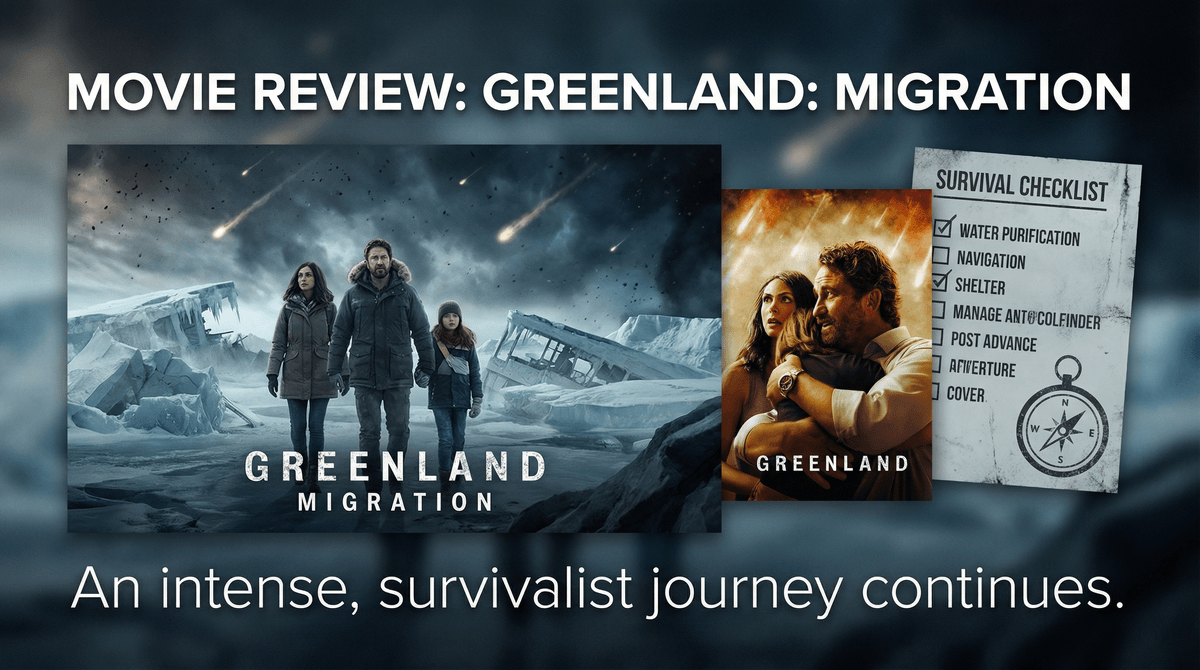
The sequel to 2020's surprise hit Greenland picks up where the first film left off — the Gerard Butler family survived the comet apocalypse and made it to the underground bunkers in Greenland. Now they're emerging to find a frozen, devastated world and need to migrate to a warmer climate to survive. Think The Road meets disaster porn, but with a slightly bigger budget and less cannibalism.
Screenwise Parents
See allThe first movie worked because it focused on one family's desperate attempt to stay together during the end of the world. The sequel doubles down on the survival journey but adds post-apocalyptic dangers: resource scarcity, hostile survivors, brutal weather, and the constant threat of starvation or freezing to death.
Here's the thing: disaster movies have this weird appeal for families. They're exciting, they have clear stakes, and they often center on parents doing anything to protect their kids — which is catnip for family viewing. Plus, the first Greenland got decent word-of-mouth as a "realistic" disaster movie that wasn't completely stupid (looking at you, 2012).
But "realistic" is exactly the problem. This isn't cartoony destruction where everyone quips their way through danger. People die. Families get separated. Kids are in genuine peril. The emotional weight is heavy, and the violence — while not gratuitous — is present and impactful.
Let's break down what you're actually signing up for:
Disaster Violence: Buildings collapse, people get crushed by debris, mass casualties are shown (though not in gory detail). The opening act features the aftermath of the comet impact with bodies visible in wreckage. It's brief but it's there.
Threat to Children: The family's young son is in danger multiple times. He gets separated from his parents, nearly freezes to death, and witnesses traumatic events. If your kid gets anxious watching children in peril, this will be rough.
Survival Desperation: People fight over resources. There's a scene where survivors attack the family for their supplies. It's not graphic violence but it's intense and scary — think desperate people doing desperate things.
Parental Separation: The mom and dad split up at one point to accomplish different survival tasks. For kids who've experienced parental separation (divorce, deployment, etc.), this could hit differently.
Hopelessness Factor: Long stretches of this movie are just bleak. Frozen landscapes, abandoned cities, the constant question of "will they make it?" Some kids find that tension exciting; others find it overwhelming.
Language: Moderate — a handful of "shits" and "damns," one or two F-bombs in high-stress moments. Not constant but definitely present.
Emotional Manipulation: The movie knows exactly how to pull parent heartstrings. There are multiple "will they lose their child?" moments designed to wreck you. Effective, but emotionally exhausting.
Ages 8 and under: Absolutely not. Full stop. This will give them nightmares and they won't understand the nuance between entertainment and real disaster preparedness. Save yourself the 2am wake-ups.
Ages 9-12: Still too intense for most. Maybe — maybe — a mature 12-year-old who's already into disaster preparedness content and has watched intense movies like A Quiet Place without issue. But you know your kid. If they're still processing the Snap from Avengers: Infinity War, this isn't the move.
Ages 13-15: This is the sweet spot if you're going to watch it at all. Teens who can handle intense content, understand it's fiction, and want something more "realistic" than Marvel movies. They'll probably think it's cool and want to talk about survival strategies afterward. Still, preview the content yourself if you have a particularly sensitive teen.
Ages 16+: They can handle it, and honestly, they've probably already seen worse on TikTok. At this age, it becomes more about whether they're interested in disaster movies than whether they can handle the content.
Most disaster movies are about the spectacle — cities exploding, monuments falling, etc. Think San Andreas or The Day After Tomorrow. They're almost cartoonish in their destruction.
Greenland and its sequel are grounded. The focus is on one family's survival, not global destruction. You're not watching the Statue of Liberty collapse; you're watching a dad try to hotwire a car while his son shivers in the backseat. It's intimate and therefore more intense.
This approach makes it feel more real, which is both its strength and its problem for family viewing. Kids who can distance themselves from blockbuster spectacle might find this hits too close to home — especially post-COVID when "global disaster" isn't just a movie premise anymore.
Setting aside age-appropriateness: is it any good?
It's... fine. Solidly made, well-acted (Gerard Butler does "desperate dad" well), and the survival scenarios are mostly believable. The cinematography of frozen, post-apocalyptic landscapes is genuinely striking. But it's also relentlessly grim, the pacing drags in the middle, and the script occasionally leans into disaster movie clichés.
If your teen loves survival content — The Last of Us, The Hunger Games, etc. — they'll probably enjoy it. If they're looking for something fun, this ain't it.
If you want the family-bonding-during-disaster vibe without the trauma:
-
The Mitchells vs. The Machines (Ages 7+): Robot apocalypse but make it hilarious and heartwarming. Peak family disaster movie that won't scar anyone.
-
Jurassic World (Ages 10+): Disaster movie stakes with dinosaurs. Intense but in a blockbuster way that feels less real.
-
Twister (Ages 9+): Natural disaster thrills without the body count. Nostalgic and fun.
-
The Impossible (Ages 13+): If you want realistic disaster survival that's equally intense but based on the true story of the 2004 tsunami. Similar tone to Greenland but with more hope.
Pre-watch conversation: Talk about what disaster movies are, why we make them, and how they're different from disaster preparedness. Make it clear this is entertainment, not a documentary about what will happen.
Watch together: Don't just throw this on and leave the room. Be there to pause, discuss, and reassure if needed. Studies show co-viewing reduces anxiety around intense content .
.
Post-watch processing: Ask what they thought, what scared them, what they'd do in that situation. Turn it into a conversation about problem-solving and resilience rather than just fear.
Reality check: Remind them that actual disaster preparedness is about boring things like having water stored and knowing evacuation routes, not dramatic car chases. Maybe this is a good time to talk about your family emergency plan.
Greenland: Migration is a well-made, intense disaster survival movie that's absolutely not for younger kids and questionable even for younger teens. If you have a 13+ kid who loves survival content and can handle heavy themes, it could be a good watch-together experience with lots of discussion afterward.
But if you're looking for actual family movie night material that won't require therapy, there are so many better options. This is more "teen and parent watch together and talk about it" territory than "family movie night with popcorn."
The PG-13 rating is technically accurate but pushing it. In practice, this plays more like a hard PG-13/soft R. Trust your instincts about your specific kid, and when in doubt, watch it yourself first. No movie is worth weeks of anxiety or nightmares.
Next Steps:
- Check out our guide to disaster movies appropriate for different ages
- Looking for intense-but-not-traumatic adventure? Try our list of survival shows and movies for teens
- Want to channel that disaster-prep energy productively? Here's how to talk to kids about emergency preparedness without scaring them