

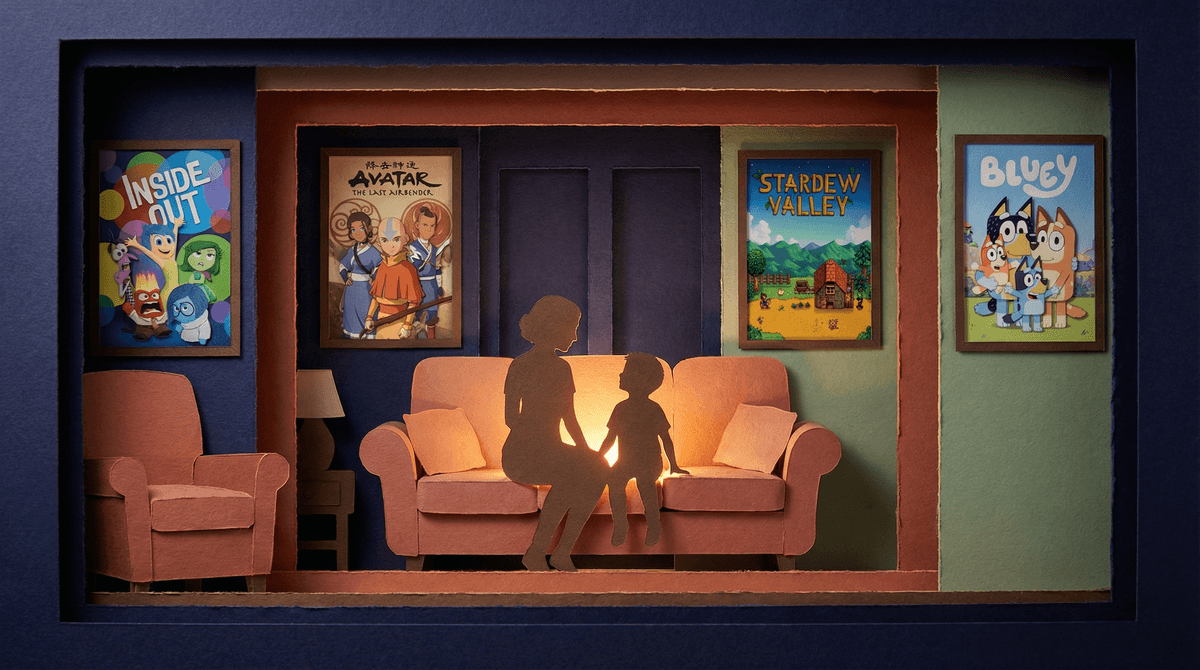
Character-development media is basically any show, movie, or game where the story actually gives kids something to chew on beyond explosions and fart jokes. It's content where characters face real challenges, make tough choices, experience consequences, and—here's the key part—grow from their experiences.
We're talking about stories that model empathy, resilience, moral reasoning, and emotional intelligence. The kind of stuff where your kid might actually pause and think "wait, what would I do in that situation?" instead of just mindlessly consuming content until their eyes glaze over.
And look, I'm not saying every piece of media needs to be an after-school special. But if your kid is going to spend hours with screens anyway (and let's be real, they are), you might as well stack the deck with content that reinforces the values you're trying to teach at the dinner table.
Here's the thing: kids learn from stories. They always have. It's literally how humans have passed down values and cultural knowledge for thousands of years. The only difference now is that instead of sitting around a campfire, they're sitting in front of a screen.
Research shows that narrative transportation—that feeling of being absorbed in a story—can genuinely influence kids' attitudes, beliefs, and behaviors. When kids connect with characters who demonstrate courage, kindness, or perseverance, they're essentially getting a safe space to practice those values vicariously.
Plus, media gives you built-in conversation starters. It's way easier to talk about hard topics like exclusion, loss, or standing up to bullies when you can reference a character your kid already cares about. "Remember when Bluey had to learn to lose gracefully?" hits different than "you need to be a better sport."
Not all "educational" or "wholesome" content actually builds character. Here's what to look for:
Characters who face real consequences The protagonist makes mistakes and actually has to deal with the fallout. Looking at you, Avatar: The Last Airbender—Aang's struggle with the weight of responsibility is chef's kiss.
Emotional complexity Characters experience a range of emotions and learn to process them. Inside Out literally made this the entire plot and it works beautifully.
Moral ambiguity Not everything is black and white. Good characters sometimes make bad choices. Bad characters might have understandable motivations. The Dragon Prince does this really well.
Growth over time Characters aren't static. They learn, change, and become better versions of themselves. This is why serialized shows often work better than episodic ones for character development.
Diverse perspectives Kids see characters from different backgrounds, with different abilities, facing different challenges. Encanto nails this with its exploration of family expectations and intergenerational trauma.
Ages 4-7: Building Empathy Basics
- Daniel Tiger's Neighborhood – Emotional literacy 101
- Bluey – Honestly perfect for teaching emotional regulation and family dynamics
- Paddington (both movies) – Kindness and seeing the good in people
Ages 8-11: Complex Emotions and Moral Reasoning
- Avatar: The Last Airbender – The gold standard for character growth
- Hilda – Courage, friendship, and problem-solving
- Spider-Man: Into the Spider-Verse – Responsibility and finding your voice
- Stardew Valley – Community building and the value of hard work (yes, games count!)
Ages 12+: Identity, Ethics, and Big Questions
- The Dragon Prince – War, peace, breaking cycles of violence
- Everything Everywhere All at Once – Family, acceptance, finding meaning (note: PG-13 for language and some violence)
- Celeste – Mental health and perseverance
- The Owl House – Identity, found family, standing up for what's right
1. Watch/play together when possible Yeah, I know, you're busy. But co-viewing gives you real-time opportunities to pause and discuss. "Why do you think she did that?" "How would you feel in that situation?"
2. Ask open-ended questions afterward
- "What would you have done differently?"
- "Who did you relate to most? Why?"
- "What do you think the character learned?"
- "Was there a moment that surprised you?"
3. Connect it to real life "Remember when [character] had to apologize even though it was hard? That's kind of like what happened with you and your friend yesterday."
4. Don't force it If you turn every viewing into a lecture, your kid will tune out faster than you can say "teachable moment." Sometimes just planting the seed is enough.
5. Let them revisit favorites Kids rewatch stuff because they're processing it at different developmental stages. That's actually valuable, not wasteful screen time.
Yes, games absolutely count. In fact, games might be even more powerful for character development because kids are making the choices themselves, not just watching someone else make them.
Undertale teaches empathy and the consequences of violence. Kind Words is literally about writing supportive messages to strangers. A Short Hike models helping others and perseverance.
Even Minecraft can teach collaboration and creative problem-solving if you're playing together or they're on a good server. Check out this guide on collaborative games for more ideas.
You're not going to ruin your kid by letting them watch some mindless content. We all need brain breaks. But if you're being intentional about it—and since you're reading this, you clearly are—you can use media as a genuine tool for building character.
The secret is treating screen time like any other part of parenting: be present, be thoughtful, and use it as a jumping-off point for conversations. The media itself isn't magic. But paired with your guidance? It can actually reinforce the values you're already teaching.
-
Audit your current rotation – What are your kids watching/playing most? Does any of it reinforce the values you care about?
-
Try one new thing – Pick something from the recommendations above and watch/play it together this week.
-
Start small with conversations – You don't need to facilitate a full discussion group. Just one thoughtful question after a show can open doors.
-
Explore more character-focused content that matches your family's values and your kids' interests.
Remember: perfect is the enemy of good. You're doing great by even thinking about this stuff.