

Here's the short answer: Yes and no.
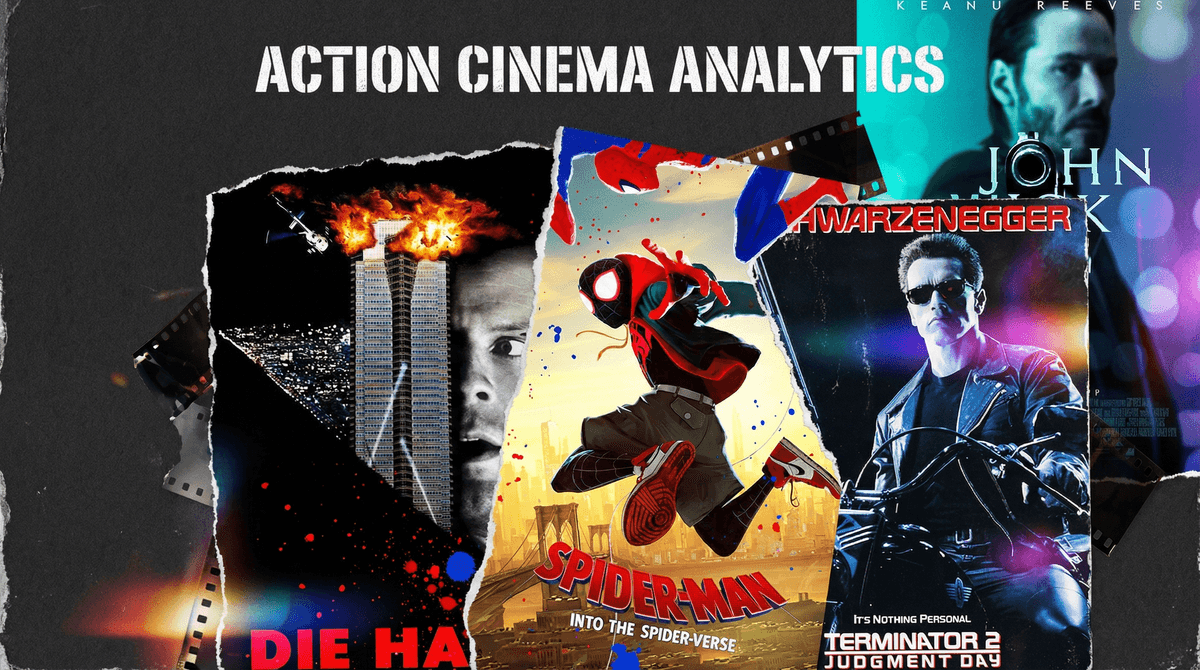
Movies aren't necessarily showing more violent acts than they did in the '80s and '90s (hello, Die Hard and Terminator 2), but the violence has gotten more realistic, more graphic, and way more accessible to younger viewers than ever before.
The real shift isn't just about body counts—it's about how violence is portrayed, who's watching it, and at what age. And that's what actually matters for your family's movie nights.
Back in the day, movie violence was often stylized. Think of the bloodless shootouts in old Westerns, or even the over-the-top action sequences in '80s blockbusters where Arnold Schwarzenegger would mow down 50 bad guys and nobody batted an eye because it felt like a video game.
What's changed:
- CGI and special effects can now show incredibly realistic injuries, blood, and gore that would've been impossible (or laughably fake) 30 years ago
- Prestige TV normalized graphic content - shows like Game of Thrones and The Walking Dead pushed boundaries, and that aesthetic bled into movies
- Superhero movies pack PG-13 ratings but feature city-destroying battles with implied massive casualties (looking at you, every Marvel third act)
- Horror has gone mainstream - what used to be niche slasher films are now getting wide releases and Oscar buzz (Get Out, A Quiet Place)
The violence hasn't necessarily increased, but it looks and feels more real, which means it can have a bigger emotional impact—especially on younger viewers whose brains are still developing the ability to separate fiction from reality.
Here's the thing: not all movie violence is created equal, and not all kids respond to it the same way.
Research shows that exposure to graphic violence can affect kids differently depending on:
- Age and developmental stage (a 7-year-old processes violence very differently than a 14-year-old)
- Context of the violence (Is it consequence-free? Glorified? Or does the story show real emotional fallout?)
- Individual sensitivity (some kids are naturally more affected by what they see)
- How much they're exposed to (occasional vs. constant consumption)
The bigger concern isn't necessarily that one violent movie will "ruin" your kid. It's more about what repeated exposure teaches them about conflict resolution, empathy, and how violence works in the real world.
When violence in media is:
- Shown without consequences
- Used for laughs or thrills
- Presented as the default solution to problems
- Depicted in a way that dehumanizes victims
...that's when it can start shaping how kids think about aggression and conflict in real life.
Here's what's really different from when we were kids: access.
Your parents could control what movies you saw by literally not taking you to the theater or not renting certain VHS tapes. Now? A kid with a smartphone can access pretty much any movie ever made, often with minimal barriers.
The new reality:
- Streaming platforms have parental controls, but they're not always set up or enforced

- Kids can watch at friends' houses, on school buses, or anywhere with a device
- Age ratings are inconsistent across platforms and countries
- Trailers and clips on social media expose kids to content from movies they're not watching
This means the conversation matters more than the restriction. You can't control everything they might see, but you can absolutely shape how they process it.
Stop obsessing over ratings alone. The MPAA rating system is... let's just say it's not exactly scientific. A movie can get a PG-13 for intense violence but an R rating for a few f-bombs. It's weird.
Instead, try this approach:
For younger kids (under 10):
- Stick with movies made specifically for their age group—not just "family movies" but actual kids' content
- Watch together first if you're unsure
- Skip the "it's fine, just cover your eyes during that part" approach—that usually backfires
- Look beyond ratings to actual content descriptions on Common Sense Media or Screenwise media pages
For tweens (10-13):
- Start having real conversations about why violence is in movies and what purpose it serves in storytelling
- Watch together and talk about what you're seeing: "That was intense—how are you feeling about it?"
- Point out when violence has consequences vs. when it's consequence-free
- Introduce movies that handle serious themes thoughtfully, like The Hunger Games or Spider-Man: Into the Spider-Verse
For teens (13+):
- They're going to encounter violent content—the goal is helping them be critical consumers
- Ask questions: "What do you think the filmmaker was trying to say with that scene?"
- Discuss the difference between violence as spectacle (John Wick) vs. violence as commentary (Parasite)
- Trust your kid's individual sensitivity—some teens can handle intense content thoughtfully, others aren't ready
Movies aren't necessarily more violent than they used to be, but they're more realistically violent and way more accessible.
The good news? You don't need to ban all action movies or wrap your kids in bubble wrap. You just need to:
- Be intentional about what your family watches and when
- Watch together when possible, especially for borderline content
- Talk about what you're seeing—that's the real protective factor
- Know your individual kid—what works for one might not work for another
And honestly? Some of the most violent content isn't even in R-rated movies anymore—it's in video games, YouTube clips, and TikTok compilations. The conversation about media violence needs to be bigger than just movies.
Your move: Pick one movie your kid has been asking to watch. Look it up on Screenwise, read what other parents are saying, and make an informed call. Then watch it together and see what conversation comes up naturally. That's literally all you need to do to start being more intentional about this stuff.