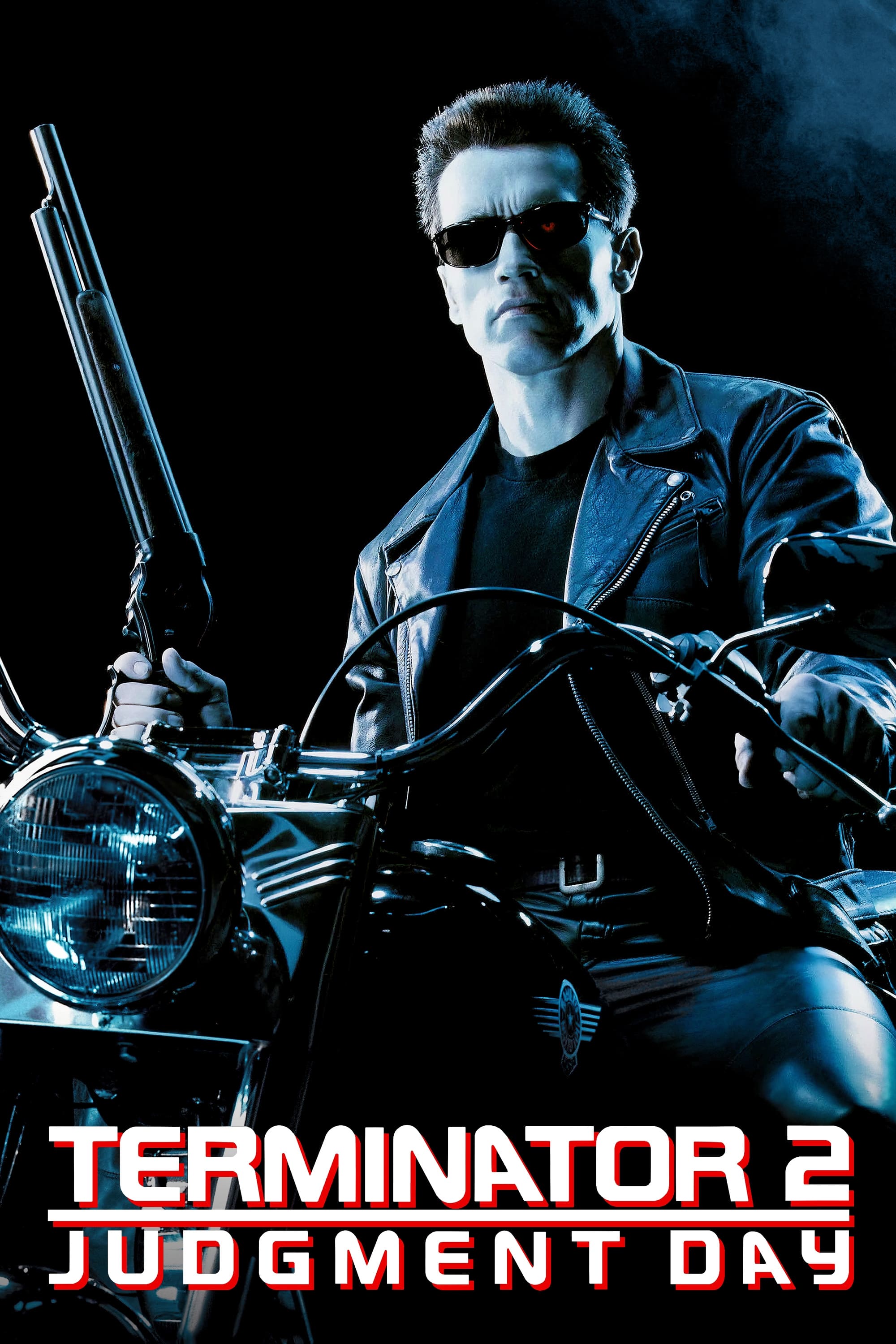
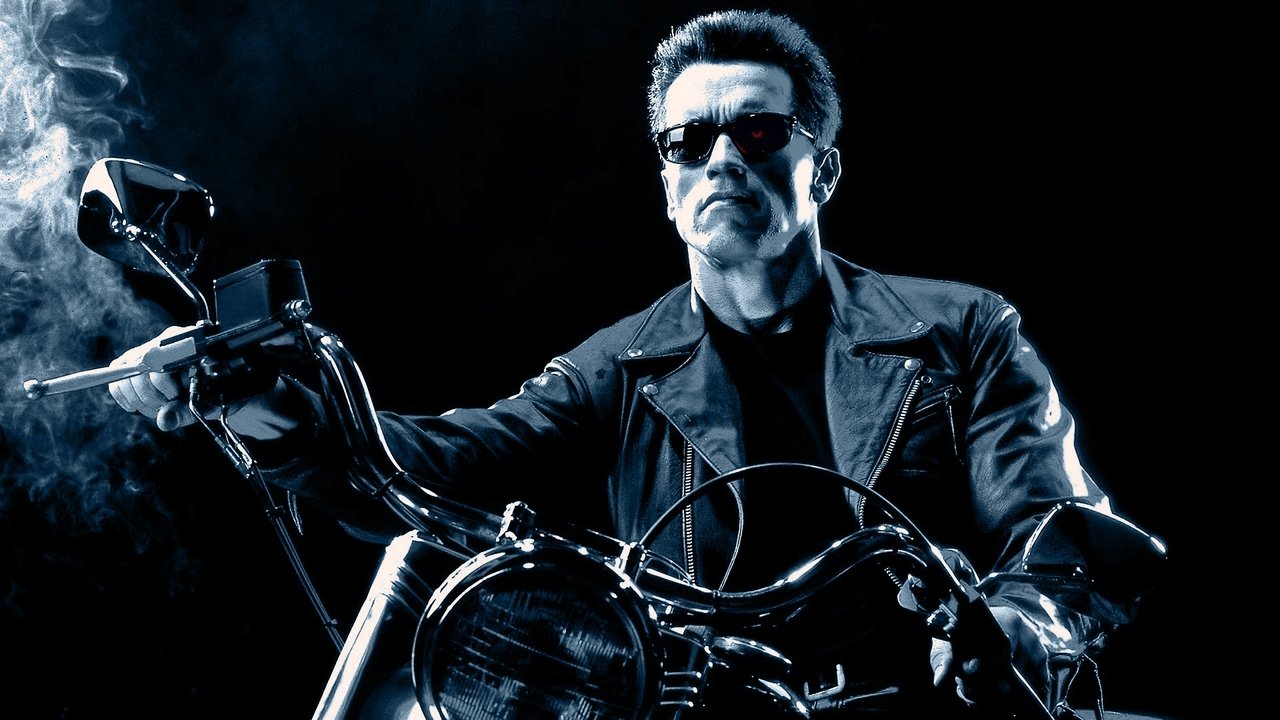
The blueprint for the modern blockbuster
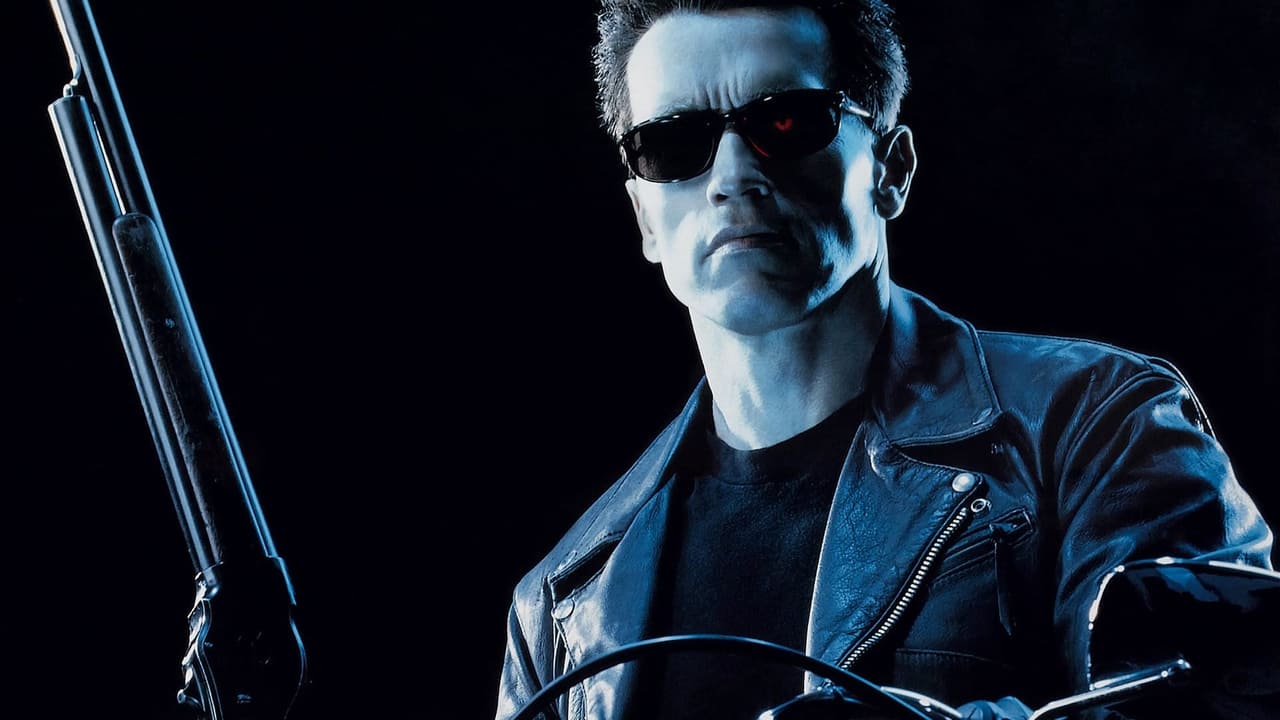
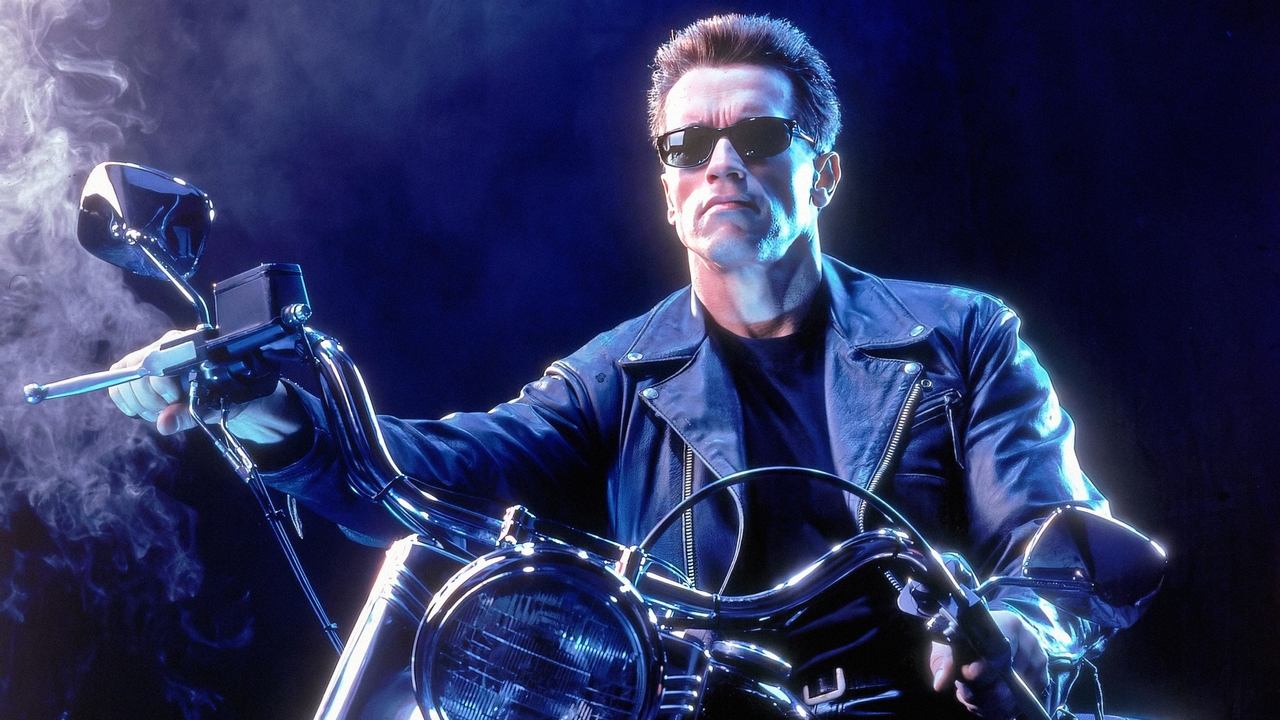
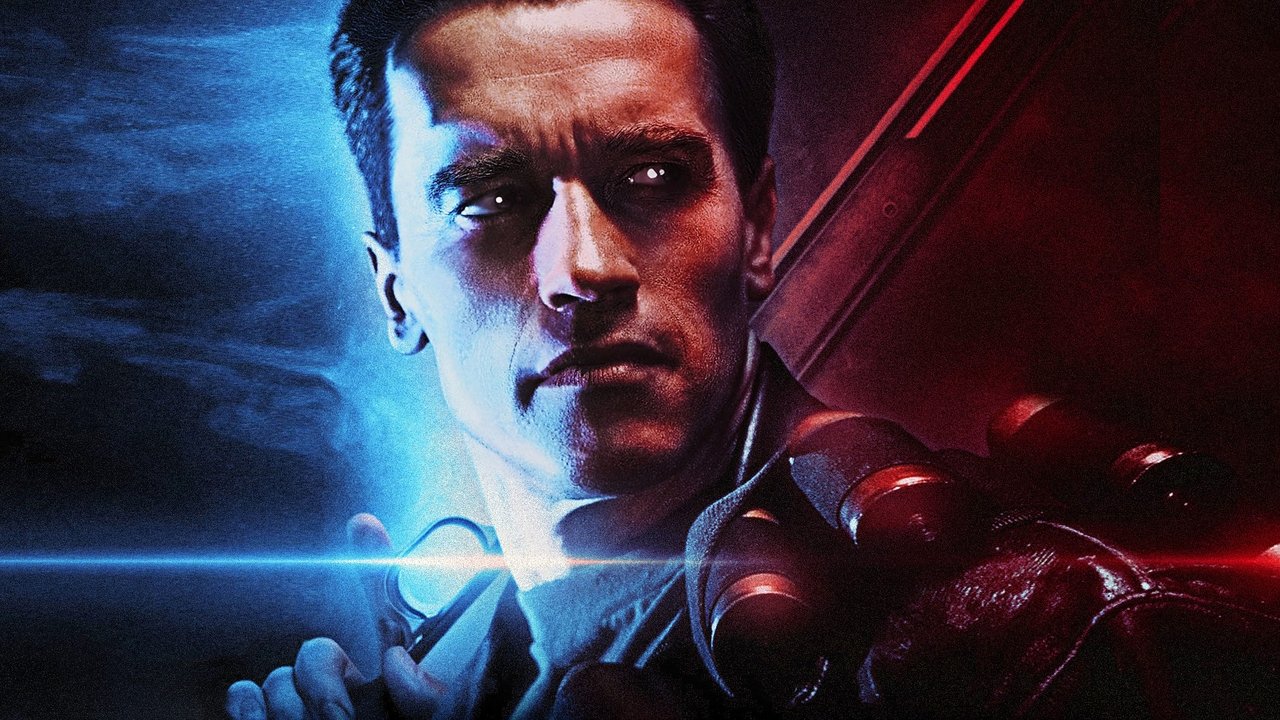
It is hard to overstate how much this movie defines the "action" genre for anyone born after 1980. While the first film was essentially a low-budget slasher movie with a sci-fi skin, this sequel is a sprawling, high-octane road movie with a massive heart. It’s the rare sequel that makes the original look like a rough draft. If your teenager has grown up on a diet of bloodless superhero movies, Terminator 2 will feel like a physical revelation. There is a weight to the stunts here—real trucks jumping off real bridges—that modern digital effects struggle to replicate.
The T-1000 is the standout reason the movie still works. Unlike the hulking, brute-force villains of most action flicks, this antagonist is lean, polite, and terrifyingly efficient. He doesn't monologue; he just keeps coming. It’s a masterclass in building tension that keeps a long runtime moving at a clip that feels half its actual length.
The John Connor of it all
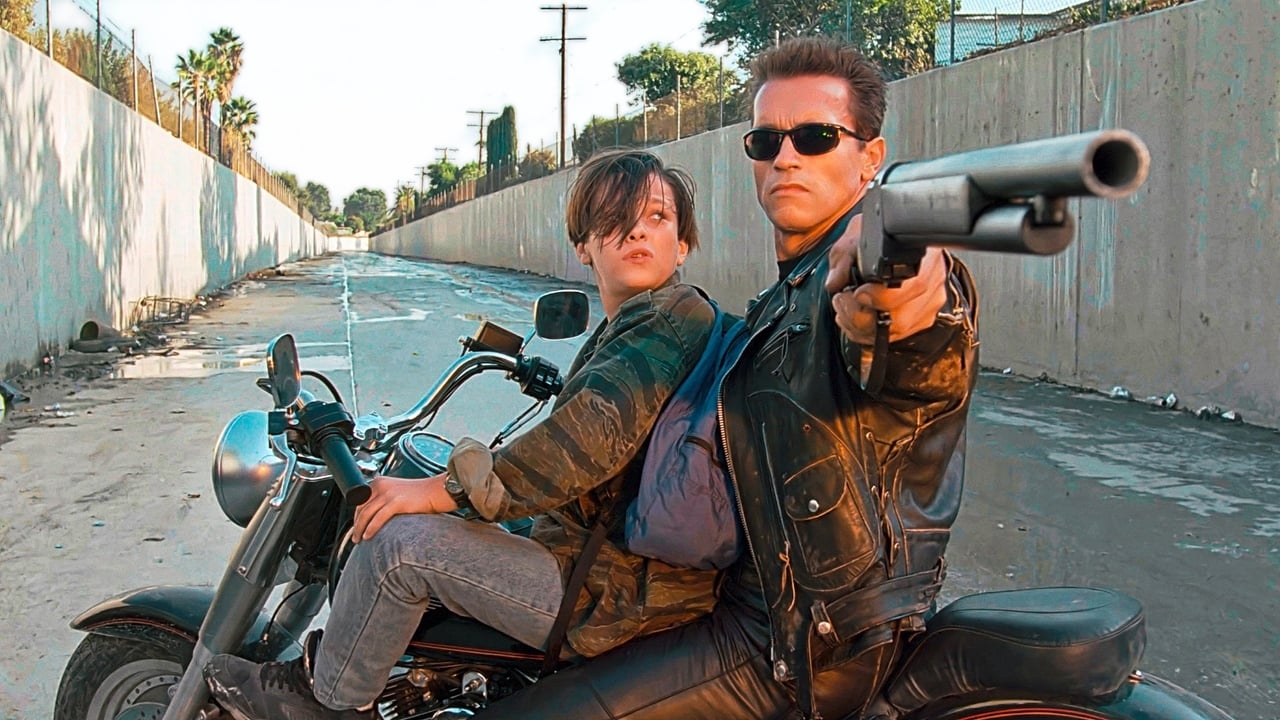
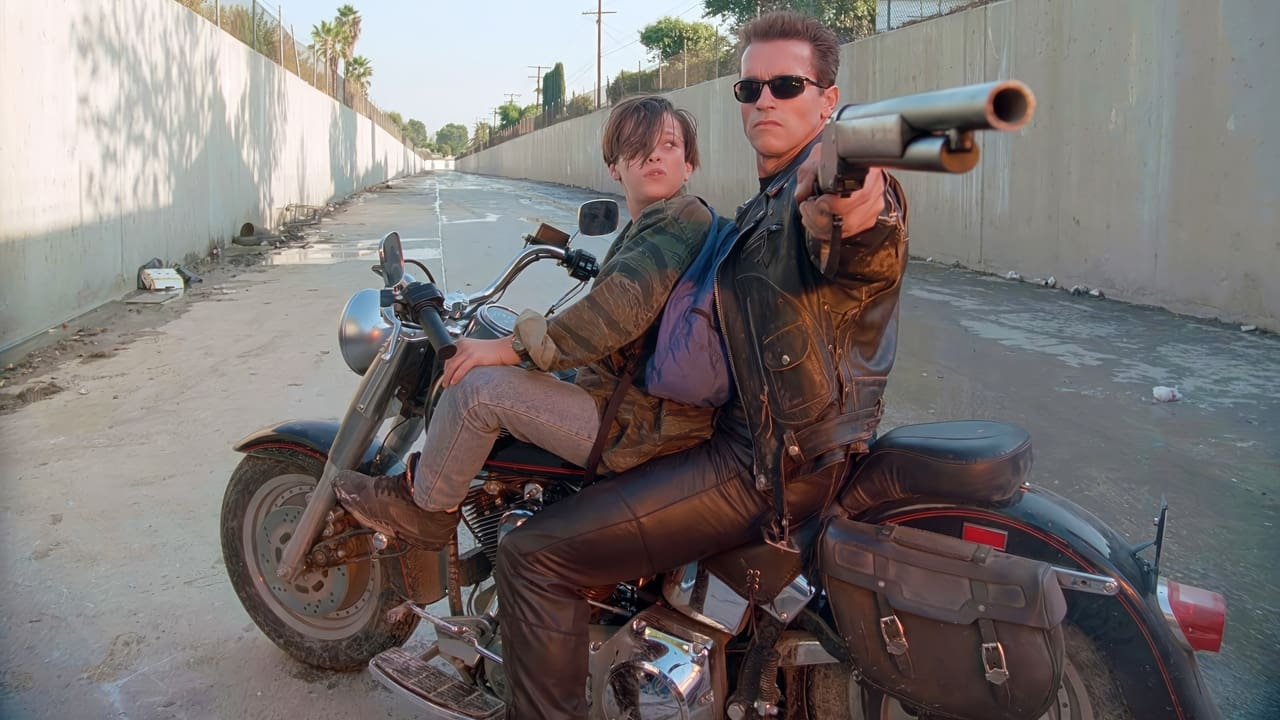
For a parent, the most interesting (and potentially friction-heavy) part of the movie isn't the robots—it’s John Connor. In 1991, he was the ultimate "cool kid" archetype: he hacks ATMs, rides a dirt bike, listens to Guns N' Roses, and treats his foster parents with open contempt. He is a delinquent by design.
If your kid is used to the "chosen one" trope in stories like Harry Potter or Stranger Things, they’ll recognize the DNA here, but John is much more of a loose cannon. The movie asks you to root for a kid who is objectively a bit of a brat because he’s the only one who can teach a killing machine why it’s wrong to kill people. That dynamic is the emotional core of the film, and it’s why the ending hits as hard as it does. It’s a "boy and his dog" story, if the dog was a 400-pound cyborg from a nightmare future.
Calibrating the "R" rating
This movie comes from an era where an R rating meant something different than it does today. While we don't see the kind of "John Wick" style hyper-choreographed headshots, the violence in Terminator 2 is heavy and visceral. When someone gets shot, they don't just fall over; there’s a sense of impact and mess.
If you’re trying to figure out if your teen is ready for this after years of PG-13 fare, it’s worth looking at how movie violence has evolved over the decades. This film is the peak of the Retro Rampage era, where the stakes felt higher because the consequences looked more painful.
The AI conversation 2.0
In the 90s, the idea of "Skynet"—a computer network that becomes self-aware and decides humans are the problem—felt like pure popcorn sci-fi. Watching it today, the "Judgment Day" lore feels less like a fantasy and more like a commentary on our current trajectory with LLMs and autonomous tech.
The movie doesn't just use AI as a boogeyman; it looks at the creators. The scientist responsible for the tech is portrayed not as a villain, but as a well-meaning guy who thinks he’s helping the world. It’s a great hook for a post-movie talk about whether "just because we can build it, should we?"
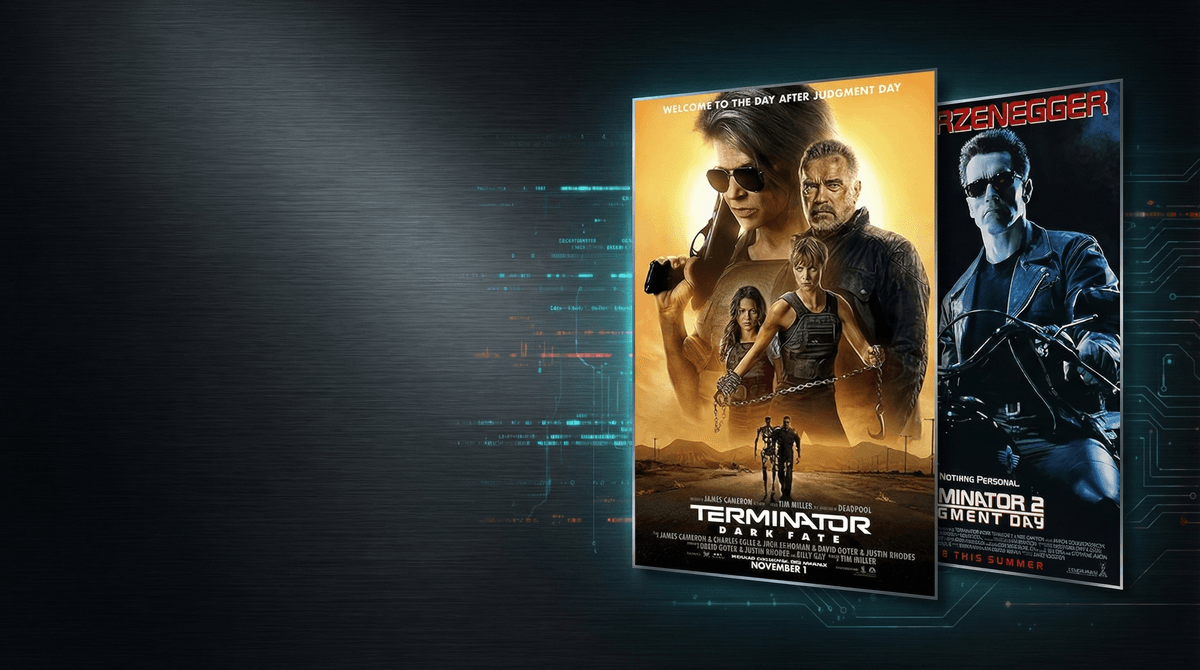
If your teen enjoys this but you want to see how the franchise eventually tried to modernize these themes for a 21st-century audience, you might eventually look into Terminator: Dark Fate, though it lacks the lightning-in-a-bottle perfection of this 1991 classic.