

TL;DR
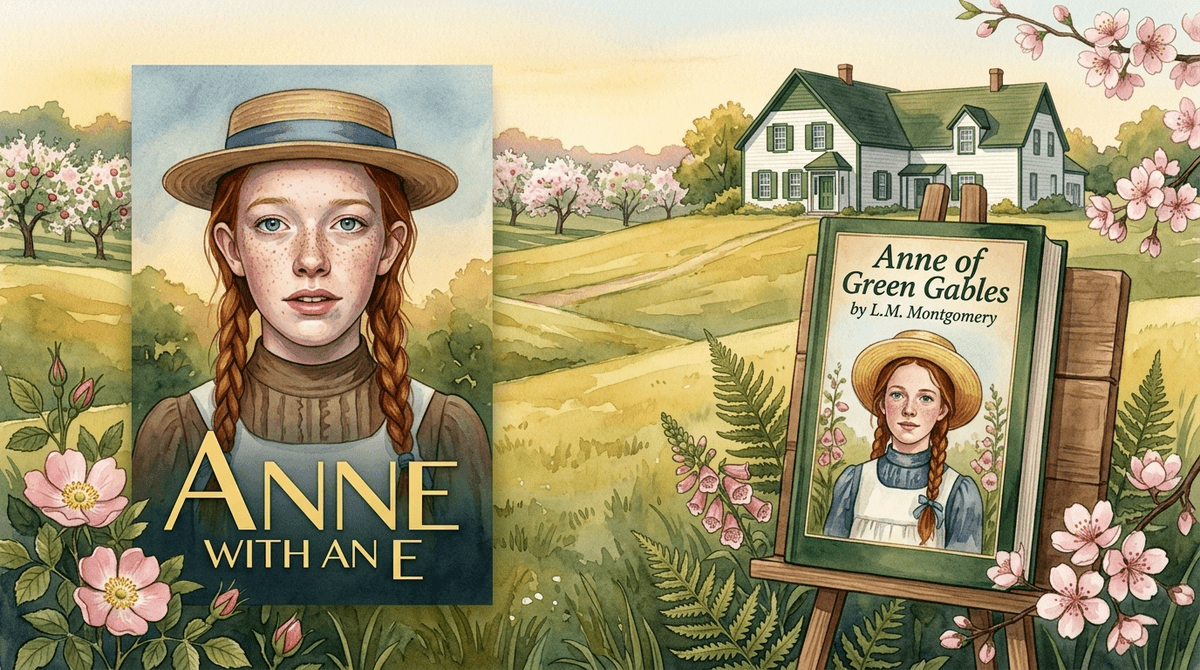
Anne with an E is a visually stunning, emotionally heavy "reimagining" of the classic Anne of Green Gables book. It swaps the sugary nostalgia of past adaptations for a gritty look at 19th-century trauma, feminism, and social injustice.
- Best for: Ages 12+ (Mature 10-year-olds can handle it with a parent nearby).
- The Vibe: High-end period drama meets psychological realism.
- Watch if you liked: Little Women, Enola Holmes, or A Series of Unfortunate Events.
- Skip if: You want a light, breezy show to distract the kids while you make dinner. This show demands conversation.
If you grew up watching the 1985 Megan Follows miniseries, throw your expectations out the window. This Netflix/CBC co-production, which ran for three seasons, isn't interested in just being "charming." While it keeps the basic skeleton of Lucy Maud Montgomery’s story—an imaginative orphan is accidentally sent to a pair of elderly siblings on Prince Edward Island—it fleshes out the "orphan" part with a lot more darkness.
The showrunner, Moira Walley-Beckett (who was a writer on Breaking Bad, which tells you everything you need to know), decided to ask: What would a kid who spent years in abusive foster homes and asylums actually act like? The answer is a version of Anne Shirley who has literal PTSD flashbacks, struggles with social cues, and fights tooth and nail for her place in a world that mostly views her as "trash."
There is a massive "cottagecore" aesthetic appeal here that hits the Gen Z and Gen Alpha vibe perfectly. But beyond the flower crowns and puff sleeves, Anne is the ultimate outsider.
For a middle schooler who feels like they don't fit in, Anne’s journey is incredibly validating. She’s "extra," she talks too much, she’s obsessed with books, and she’s constantly being told to tone it down. In an era of TikTok trends and social pressure to conform, a protagonist who stays fiercely herself—even when it hurts—is a hero.
The show also expands the world of Avonlea to include characters the original books ignored. We get a deep dive into the life of a young Black man working in the bogs, a closeted queer character, and a heartbreaking storyline involving a Mi'kmaq girl. For kids raised in a more inclusive culture, these additions make the historical setting feel relevant rather than dusty.
We talk a lot about "brain rot" content—the kind of low-effort, high-stimulus sensory overload found on YouTube or Roblox. Anne with an E is the exact opposite. It is "slow media" that actually asks kids to feel something.
It matters because it’s a bridge. It takes a "classic" that many kids might find boring in book form and makes it visceral. It tackles topics like:
- Period Poverty and Menstruation: There is a frank, honest episode about Anne getting her first period that is arguably the best "first period" depiction in TV history.
- Consent: The show introduces the concept of bodily autonomy and "the right to say no" in a way that feels natural to the 1890s but speaks directly to modern dating safety.
- The Residential School System: Season 3 takes a very hard look at the Canadian residential school system. It’s heavy, it’s tragic, and it’s a vital piece of history.
While the rating is TV-PG, don't let that fool you into thinking this is for the Bluey crowd.
Ages 7-9: Proceed with Caution
Younger kids might be bored by the political subplots, but more importantly, the flashbacks to Anne’s time in the asylum can be genuinely scary. There are scenes of physical abuse and intense verbal bullying. If you have a highly sensitive child, wait a few years.
Ages 10-12: The Sweet Spot
This is the prime audience. Tweens are starting to navigate their own social hierarchies and identities. Seeing Anne deal with "mean girls" and schoolyard drama—while also grappling with bigger world issues—is perfect for this development stage.
Ages 13+: Highly Recommended
Teenagers will appreciate the cinematography and the more mature themes of romance and social justice. It’s a great "co-watch" show for parents and teens because it isn't "cringe."

Let’s be real: some purists hate this show. If you are looking for the sunny, optimistic Anne who just accidentally dyes her hair green and gets her friend drunk on raspberry cordial, you might find this version depressing.
The show leans into the "gritty" trope hard. Sometimes it feels like the writers are piling trauma onto Anne just to see how much she can take. The storyline involving the residential school in Season 3 is left unresolved because the show was canceled, which can be incredibly frustrating and upsetting for kids who get invested in the characters.
However, the acting is top-tier. Amybeth McNulty is Anne Shirley. She captures the manic energy and the deep sorrow of the character in a way that feels authentic to a child who has survived trauma.
Content Red Flags:
- Bullying: It’s pervasive and often cruel.
- Childhood Trauma: Graphic flashbacks to physical and emotional abuse in foster homes.
- Social Issues: Discussions of racism, homophobia, and the erasure of indigenous culture.
- Grief: Death and the fear of losing one’s home are constant themes.
Check out our guide on helping kids process heavy themes in media
If you’re watching this with your kids, you’re going to have some "big" conversations. Here are a few ways to open the door:
- On Resilience: "Anne has been through some really scary things before coming to Green Gables. How do those memories affect the way she reacts to Marilla or the kids at school?"
- On History: "The show talks about 'Residential Schools' for indigenous children. Did you know that was a real thing that happened in North America? Why do you think the show included that?"
- On Feminism: "Anne gets in trouble for speaking her mind or wanting to do 'boy jobs.' How have things changed since then? How are they the same?"
- On Friendship: "What does it mean to be a 'kindred spirit'? Do you have friends who feel like that to you?"
Anne with an E is a masterpiece of modern television that happens to be about a 19th-century orphan. It’s not "easy" watching, but it is "good" watching. It encourages empathy, rewards curiosity, and treats its young audience like they are capable of understanding complex emotions.
It’s the kind of show that stays with you. Just keep the tissues handy—for both of you.
If your kid finishes the series and is looking for more, here are a few directions to go:
- The Original Source: Read the Anne of Green Gables book by L.M. Montgomery. It’s much lighter and a great comparison point for "book vs. show" discussions.
- More Period Dramas: Try The Secret Garden or Little Women.
- Modern "Outsider" Stories: If they liked the "school is hard" aspect, they might enjoy Wonder by R.J. Palacio.
- Dive Deeper: Check out our guide to the best historical fiction for tweens