

The Gacha Trap: Smarter Alternatives for Your Character-Collector
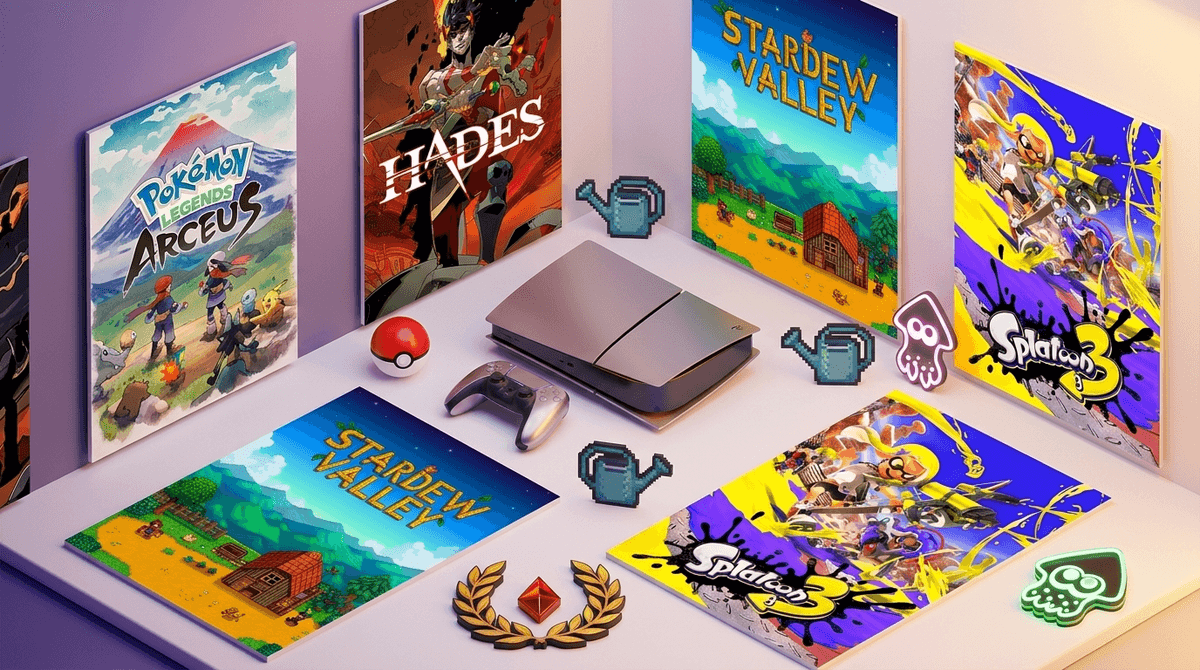
TL;DR: If your kid is obsessed with collecting characters but you're tired of the predatory spending loops, there are genuinely great games that scratch the same itch without the slot-machine psychology. Try Pokémon Legends: Arceus, Splatoon 3, Hades, or Monster Hunter Stories 2 for actual gameplay that respects your wallet and your kid's developing brain.
Gacha games are mobile games (think Genshin Impact, Honkai Star Rail, or Fate/Grand Order) that use a "loot box" system where you spend in-game currency—often bought with real money—for a chance to unlock characters, weapons, or items. The name comes from Japanese capsule-toy vending machines, but the mechanics are pure slot machine.
Here's what makes them so sticky: the art is gorgeous, the characters have compelling backstories, and that dopamine hit when you finally pull a rare character? Chef's kiss for a developing brain. But the cost—both financial and psychological—can be brutal. We're talking hundreds or thousands of dollars chasing specific characters, and the constant FOMO when limited-time banners rotate through.
According to our Screenwise community data, about 55% of families report their kids are gaming, and 22% of kids have smartphones—which means access to these games is easier than ever. The average screen time sits at 4.2 hours daily, and gacha games are designed to eat up as much of that time as possible.
Let's be honest about the appeal:
- Character design is legitimately incredible - These studios employ world-class artists
- Collection psychology - The Pokémon effect on steroids
- Social currency - Showing off rare pulls to friends
- Actual good gameplay - Many gacha games have solid combat systems underneath the monetization
- Free to start - The hook is always free, the addiction costs money
- Constant updates - New characters, events, and content keep kids coming back
The problem isn't that your kid has bad taste. The problem is that these games are engineered by teams of psychologists and economists to maximize "player lifetime value"—which is corporate speak for "how much money can we extract before they quit?"
Beyond the obvious financial drain (and yes, there are horror stories of kids racking up thousands in charges), gacha games teach some genuinely concerning lessons:
- Gambling mechanics without calling it gambling - Because it's not technically gambling if you always "win" something, even if it's garbage
- Sunk cost fallacy - "I've already spent $200, I can't stop now"
- FOMO as a business model - Limited-time characters create artificial urgency
- Devaluing money - When $100 gets you 6,480 "crystals," the connection to real currency gets fuzzy fast
And here's the thing: these mechanics work on adults too. If you're thinking "my kid just needs more self-control," remember that these systems are designed by teams of experts specifically to bypass self-control.
The good news? There are genuinely excellent games that give kids the collection, progression, and character-building experience without the predatory monetization. Here's what actually works:
Ages 8+ | Nintendo Switch | One-time purchase (~$60)
This is the game that made Pokémon feel fresh again. Instead of random loot boxes, kids actually explore, catch, and build their collection through gameplay. The satisfaction of completing your Pokédex comes from skill and exploration, not from mom's credit card. Plus, the open-world format means less grinding, more adventure.
Ages 10+ | Nintendo Switch | One-time purchase (~$60)
For kids who love the cosmetic collection aspect of gacha games, Splatoon delivers in spades. You unlock gear, weapons, and cosmetics through gameplay—no gambling required. The online multiplayer is actually age-appropriate (no voice chat with strangers by default), and the progression system rewards time invested, not money spent.
Ages 13+ | Switch, PC, PlayStation, Xbox | $25
This one's for older kids who can handle the mythological violence. Hades has the roguelike loop that mimics gacha game progression (each run you get stronger, unlock new abilities, meet new characters) but everything is earned through gameplay. The character collection comes from building relationships through the story, and the writing is genuinely excellent. Fair warning: there's combat and some mature themes, but no gambling mechanics whatsoever.
Ages 10+ | Nintendo Switch, PC | $60
Think Pokémon but with more depth. You collect "Monsties" (monster companions) by finding eggs and hatching them, then building teams and battling. The turn-based combat is strategic, the collection aspect is satisfying, and there's zero pressure to spend beyond the initial purchase. Plus, it teaches actual resource management and planning.
Ages 8+ | Everything | $15
Hear me out: if your kid loves the daily login bonuses and event cycles of gacha games, Stardew Valley delivers that same "always something new" feeling through seasonal events, character relationships, and farm progression. It's cozy, it's complete, and it's $15 forever. No battle passes, no premium currency, no FOMO.
Ages 12+ | Switch, PC, PlayStation, Xbox | $30
This gorgeous hand-drawn game about ferrying spirits to the afterlife has the character collection and relationship-building that gacha games promise, but delivered through actual storytelling. You meet characters, build relationships, and say goodbye—it's emotionally sophisticated and teaches actual life lessons. Some mature themes about death, but handled beautifully.
Ages 13+ | Switch, PC, PlayStation, Xbox | $25
For teens who can handle the darker aesthetic, this indie hit combines base-building, character collection (recruiting cult followers), and roguelike gameplay. It's got the same "just one more run" addictiveness of gacha games but with actual skill-based progression. The art style is adorable despite the demonic theme, and there's real strategy involved.
Ages 10+ | Switch, PlayStation, PC | $50
Studio Ghibli animation meets Pokémon-style creature collection. This JRPG has hundreds of creatures to collect and train, gorgeous animation, and a complete story with a beginning, middle, and end. No daily login bonuses required, no limited-time events—just a beautiful game that respects your time.
If you're dealing with elementary schoolers who are just discovering gacha games through friends:
Ages 7+ | Nintendo Switch | $60
The latest mainline Pokémon games are genuinely open-world and give kids the collection experience they crave. Yes, there's online trading, but the core game is complete without spending another cent.
Ages 6+ | Nintendo Switch | $60
For the youngest collectors, Kirby games offer ability collection and progression without any monetization pressure. It's cute, it's forgiving, and it's complete.
Ages 7+ | Everything | $40-60
Hundreds of characters to unlock through gameplay, not gambling. The LEGO games are the antithesis of gacha—everything is unlockable through playing, and the humor makes the grind actually fun.
I know what you're thinking: "But gacha games are free to start, and these all cost money upfront." Here's the uncomfortable truth: there are no truly free alternatives that deliver the same experience without some catch.
Fortnite and Roblox are free-to-play, but they come with their own monetization pressures (battle passes, cosmetics, social pressure to buy skins). They're not gacha games, but they're not exactly free of spending pressure either. Learn more about Fortnite's monetization model .
.
If you're looking for completely free options, consider:
- Pokémon Showdown (browser-based, competitive Pokémon battling, totally free)
- Public library game rentals (many libraries now lend Switch and PlayStation games)
- Game sharing with family members (most consoles support this)
If your kid is already deep into a gacha game, here's how to navigate the conversation:
Don't shame the interest. Gacha games are popular because they're genuinely well-made in many ways. Acknowledge what they love about it.
Frame alternatives as "more game for your money." A $60 game that provides 100 hours of content is a better deal than $60 in gacha pulls that might get you one character.
Set clear boundaries on current gacha games. If they're already playing, establish firm rules: no spending real money, set daily time limits, and be honest about the psychological tricks being used.
Try games together. Pick one of these alternatives and play it with them for the first hour. Kids are more likely to give something new a chance if you're invested too.
Use their gacha experience to teach media literacy. This is a golden opportunity to discuss how companies use psychology to influence behavior. Learn how to teach kids about manipulative game design.
Gacha games aren't evil, but they're not designed with your kid's best interests in mind—they're designed to maximize revenue. The alternatives listed here offer the same collecting, progressing, and character-building satisfaction, but through actual gameplay skill rather than gambling mechanics.
Your kid's interest in character collection and progression isn't the problem. The problem is that the gaming industry has figured out how to monetize that interest in increasingly predatory ways. By steering toward games with one-time purchases, you're teaching valuable lessons about value, delayed gratification, and media literacy.
Plus, you'll save a fortune. That $60 upfront purchase looks a lot better than $20/month in gacha pulls for the next two years.
- Audit current spending - Check your credit card statements and see what's actually being spent on gacha games
- Have the conversation - Use specific examples from this guide to discuss alternatives
- Pick one alternative together - Let your kid have input in choosing what to try first
- Set firm boundaries - If they're staying with current gacha games, establish spending limits and stick to them
- Check out our guide to video game monetization for more context on how different games make money
Remember: our community data shows that 55% of families are navigating gaming decisions right now. You're not alone in this, and there are genuinely better options out there that respect both your wallet and your kid's developing relationship with money and rewards.