The spreadsheet that roars
If you want to understand why a certain generation of gamers is obsessed with "management" games, this is where it started. Zoo Tycoon is essentially a high-stakes spreadsheet disguised as a wildlife sanctuary. There is a specific kind of satisfaction here that modern games often mess up by adding too many "daily login" rewards or flashing lights. In 2001, the reward was simply not going bankrupt because you overspent on fancy fencing for the Thomson’s gazelles.
For a kid today, the biggest hurdle isn't the difficulty—it’s the silence. There’s no voice-over guiding you, no cinematic cutscenes, and no "battle pass." It’s just you, a flat piece of land, and a budget. This makes it a fantastic tool for building autonomy. When a kid successfully balances the cost of trash cans and zookeeper salaries while keeping a Siberian tiger happy, they aren't just playing; they’re internalizing cause-and-effect in a way that "clicker" games never require.
The clunky charm of 2001
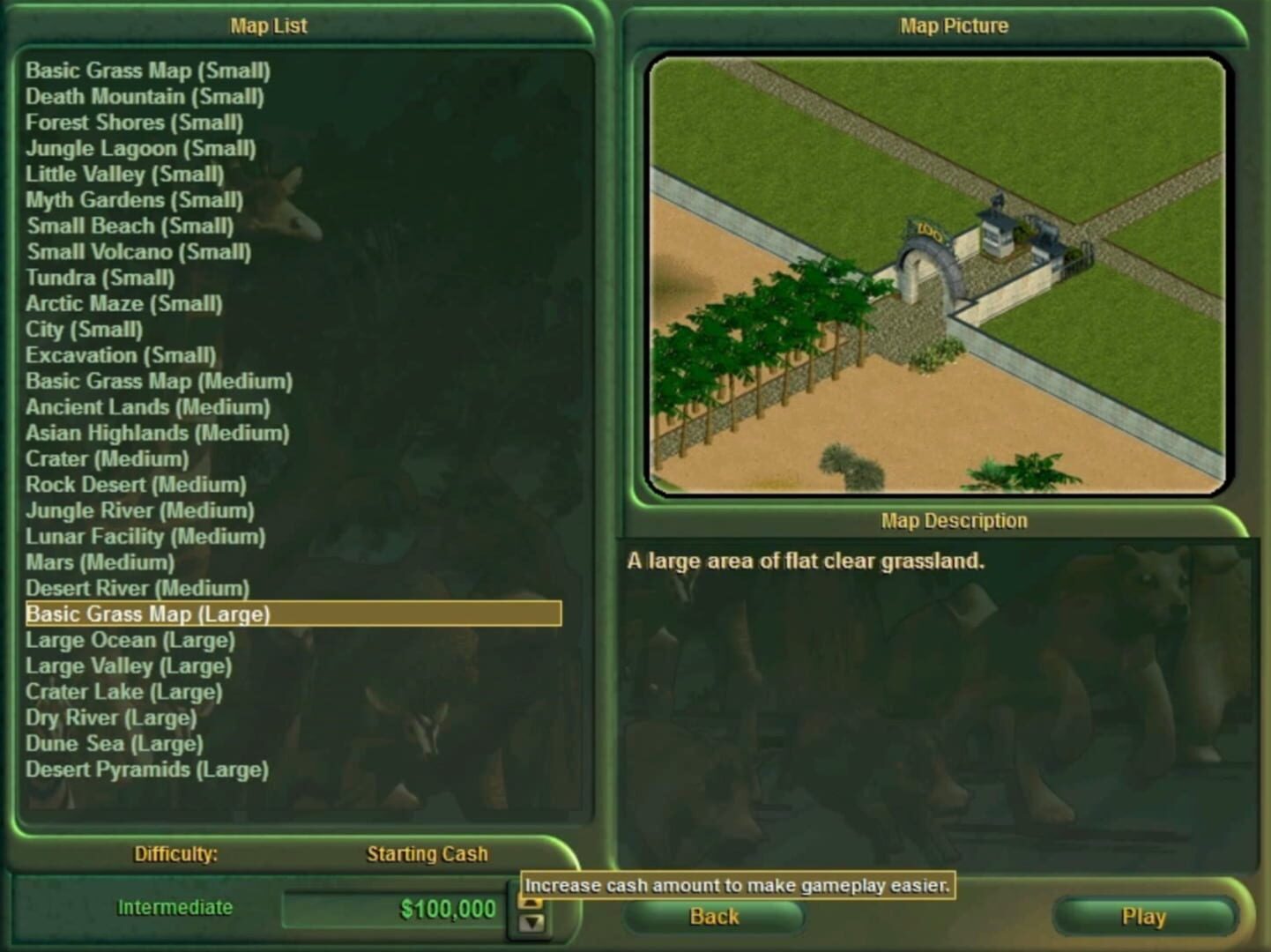
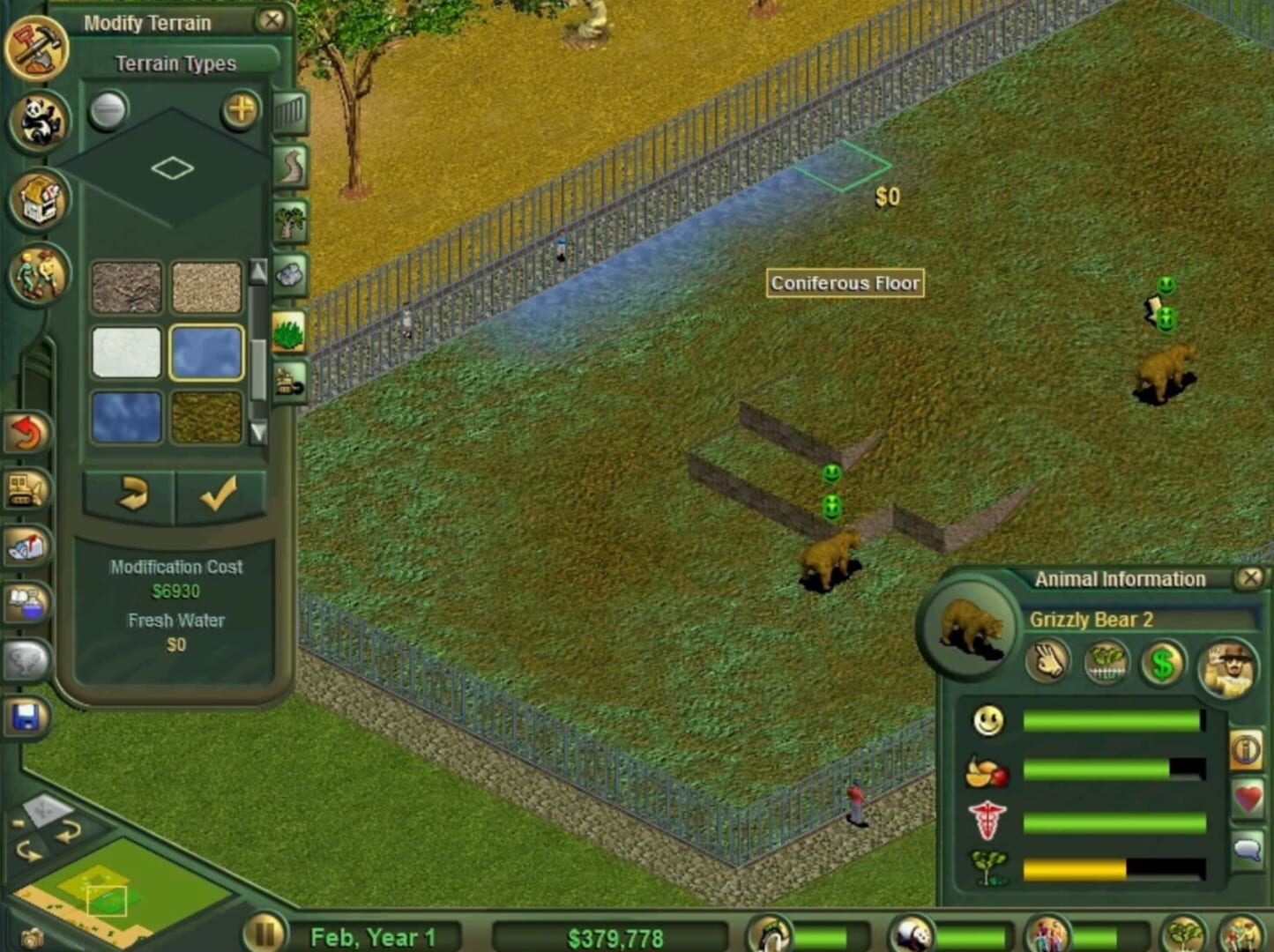
We have to talk about the interface. To a kid raised on the fluid UI of Roblox or Minecraft, Zoo Tycoon is going to feel like trying to operate a microwave from the 80s. Everything is buried in menus. Want to know why the giraffes are mad? You have to click the giraffe, then click the face icon, then read a line of text.
However, this "friction" is actually where the learning happens. Because the game doesn't automate the boring stuff, players have to be intentional. You can’t just spray-and-pray your way to a five-star zoo. You have to observe. If you're looking for animal games for kids that actually reward patience and reading comprehension rather than just fast reflexes, this is a top-tier candidate, provided they can get past the pixelated grass.
When the fences break
The "Mild Violence" rating from the ESRB usually refers to the one thing every player eventually does: accidentally (or "accidentally") letting a lion out. When animals escape, they run around and "scare" the guests. In the 2001 version, this isn't a horror movie; it's a slapstick comedy. Guests run around with frantic animations, and you have to scramble to hire more recovery teams.
It’s a great "teachable moment" about crisis management. Instead of the game ending, you just have a mess to clean up. It’s a low-stakes way to handle failure. If your kid finds the base game too easy, the expansion packs—Dinosaur Digs and Marine Mania—crank up the complexity. Managing a T-Rex that can eat your guests is a significant step up from managing a petting zoo, and it keeps the game relevant for older kids who might find the standard zoo loop a bit repetitive.
Is it worth the "retro" hassle?
If you can find a way to run this on a modern PC (or if you’ve got an old laptop in the closet), it’s a masterclass in clean design. There are no "limited time offers" or "gems" to buy. You buy the game, and you own the whole thing.
If your kid is the type who spends hours organizing their inventory in other games or loves "tycoon" style maps in other platforms, they will likely find a deep, quiet rhythm here. It’s the gaming equivalent of a 500-piece puzzle: slow to start, occasionally frustrating, but deeply satisfying once the pieces start clicking into place. If they find it too ugly to look at, you can always move them up to the 2004 sequel, Zoo Tycoon 2, which brought the series into 3D without losing the soul of the original.