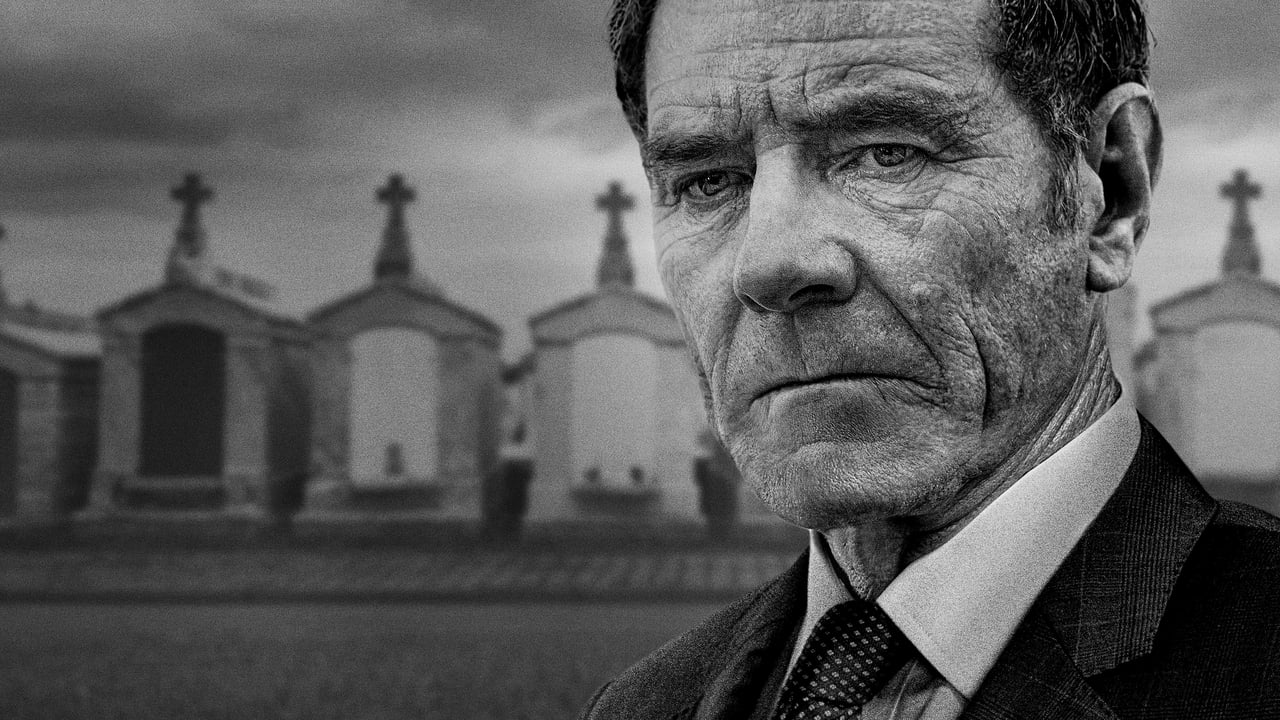
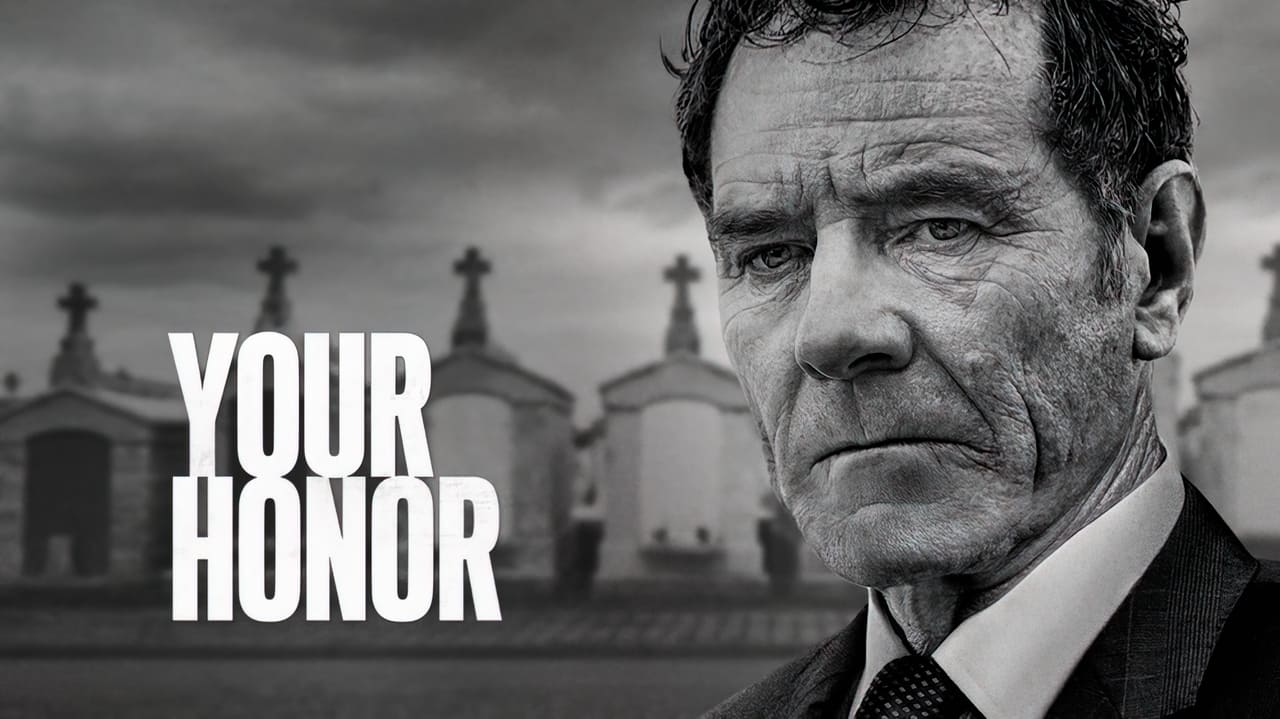
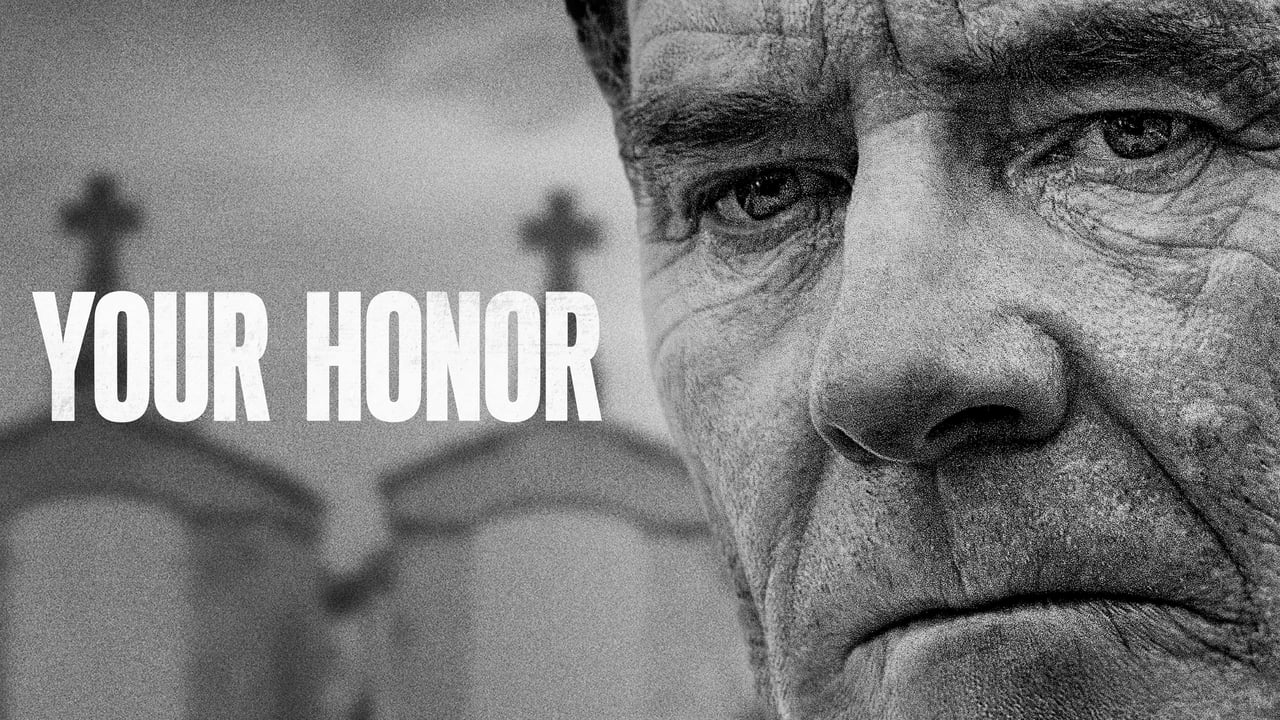
In the middle of the 2026 Malcolm in the Middle reboot mania, it’s easy to forget that Bryan Cranston spent a few years leaning hard into the "stressed-out dad in over his head" archetype. Your Honor is the peak of that era. It’s a show that starts with a gut-punch of a premise and then spends two seasons trying to outrun its own shadow.
The Logic Gap
If you look at the professional reviews, critics were fairly brutal, landing it a 49% on Rotten Tomatoes. They aren't entirely wrong. The plot relies on characters making the most bafflingly bad decisions possible to keep the engine running. If you’re the kind of viewer who yells at the screen when a character leaves a incriminating piece of evidence on the kitchen counter, this show will raise your blood pressure.
However, the 7.6 IMDB score and the much higher audience rating tell a different story. This is "junk food" prestige TV. It looks expensive, the acting is top-tier, and the cliffhangers are effective enough to make you click "Next Episode" at 1:00 AM. It works best if you treat it as a high-stakes thriller rather than a realistic legal drama.
Parental Instinct vs. The Law
The core of the show is a thought experiment: if your kid killed the son of a mob boss, would you trust the system or would you burn the system down? For a 16-year-old, this is a fascinating entry point into conversations about systemic corruption. The show doesn't just focus on the judge; it looks at how his choices ripple out and destroy the lives of people who don't have his "judge" level of privilege.
If your teen has already worked through the heavy hitters like Breaking Bad, they’ll recognize the rhythm here. It’s the same "one lie leads to ten more" spiral. The difference is that while Walter White was motivated by ego, Michael Desiato is motivated by a desperate, frantic brand of love. It’s a less "cool" version of a protagonist, which actually makes the stakes feel more grounded even when the plot gets wild.
The Stress Factor
There is a specific kind of friction in the first episode that parents need to be ready for. The accident itself is filmed with a claustrophobic, agonizing intensity. It isn't a quick jump-scare; it’s a long, breathless sequence that sits in the panic of the moment.
If you’re watching this with an older teen, use it as a way to talk about the "fight, flight, or freeze" response. The show is essentially a 20-hour exploration of what happens when you choose "fight" and "flight" at the same time. It’s messy, it’s often frustrating, but as a weekend binge, it’s undeniably effective at keeping you hooked. Just don’t expect a tidy resolution where everyone learns a valuable lesson. In this version of New Orleans, everyone just loses a little bit more of their soul in every episode.