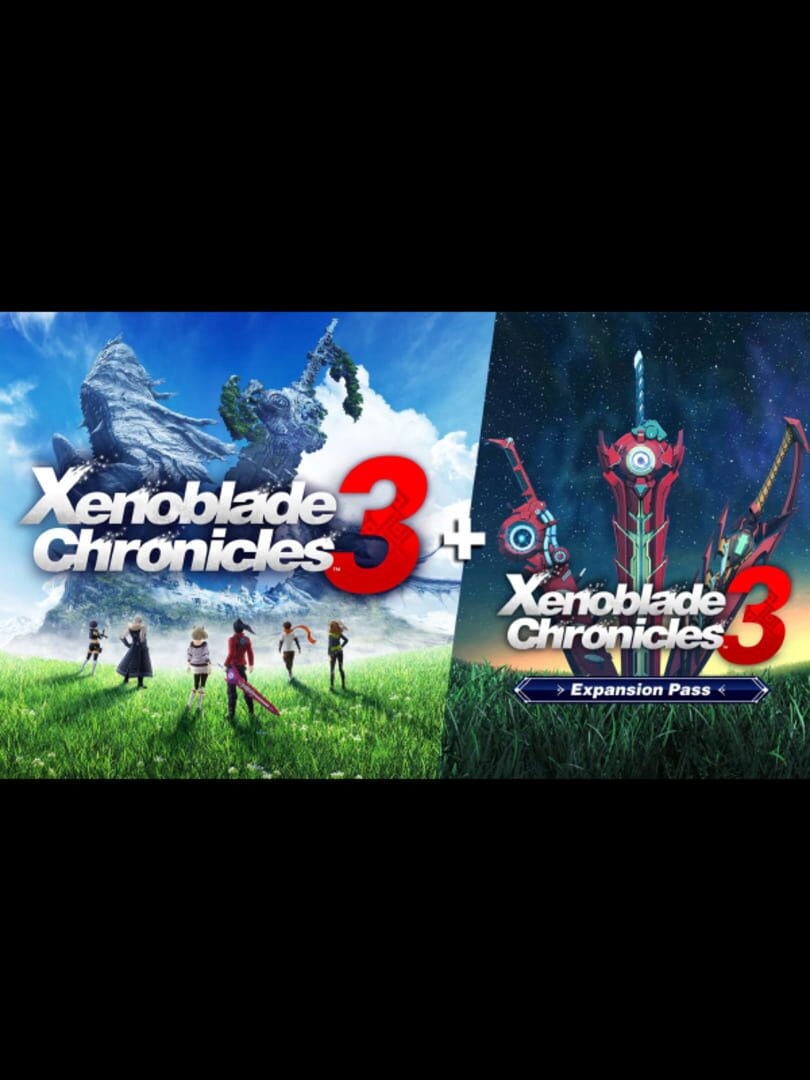
Xenoblade Chronicles 3

Xenoblade Chronicles 3

game

2022

WISE
79%

WISE Score

A massive JRPG epic about enemies becoming allies to break war's cycle—beautiful, complex, and roughly the length of reading War and Peace twice.

Where to Play

Screenwise Verdict

Xenoblade Chronicles 3 is that rare beast: a genuinely thoughtful game about war, mortality, and cooperation wrapped in a 100-hour JRPG package. The anti-war message is earnest—former enemies learning to see each other's humanity and working together to break violent cycles. That's legitimately enriching content.

But let's be real about what you're signing up for: this is DENSE. Complex interlocking systems, massive skill trees, intricate plot threads connecting to previous games. It's not Mario Kart. Your kid will need strong reading comprehension, patience for tutorials, and genuine interest in strategic gameplay. The time commitment is absurd—this will be THE game for months.

The safety profile is solid for a teen game: no predatory monetization, no toxic chat, just traditional gameplay. The war themes and mortality concepts (characters literally have 10-year lifespans) require maturity, but they're handled thoughtfully, not gratuitously. Some anime-style character designs show skin, as is tradition.

If your teen loves deep RPGs and you're okay with the time sink, this is actually one of the better narrative experiences in gaming right now. If they struggle with complex systems or lose interest in long stories, this will gather dust after 10 hours.

Age Fit

Best for teens 13+ who have the patience for dense JRPGs and can handle mature war themes. Younger kids (10-12) with strong reading skills and JRPG experience might manage with parental guidance, but the complexity and time investment are real barriers. Upper limit extends into early twenties for genre fans.

WISE Breakdown
Wholesome
78

Centers on cooperation between former enemies working to end cycles of violence—a fundamentally pro-social narrative. Characters from opposing nations unite for a common cause, modeling collaboration and understanding across differences. The 'heartfelt journey' descriptor suggests emotional depth and positive character development. However, the war/combat premise and themes of mortality (characters have limited lifespans in the game's lore) prevent a higher score. Pacing is generally measured for a 100+ hour JRPG, not frenetic.

Imaginative
88

Massive fantastical landscapes to explore, complex interconnected world-building that ties to previous games in the series, and the creative Ouroboros transformation mechanic where pairs merge into new forms. The JRPG genre inherently invites strategic thinking and party customization. The scale and ambition of the world design—with distinct nations, colonies to awaken, and a layered mystery to uncover—demonstrates significant originality within the genre. Strong exploration and discovery elements throughout.

Safe
72

No loot boxes, gacha, or in-game purchases beyond the optional expansion pass (which is traditional DLC, not predatory). Users can interact online but there's no open chat system. The game has anime-style combat violence and deals with mature themes like war, mortality, and sacrifice—characters are soldiers with 10-year lifespans. Some character designs feature revealing outfits typical of JRPGs. Without official ESRB rating data provided, likely rated T for Teen based on series precedent. Not manipulative in monetization, but thematic content requires parental consideration.

Enriching
82

Deep strategic RPG mechanics require planning, resource management, and tactical thinking across 80-100+ hour campaign. Narrative explores complex themes: breaking cycles of violence, questioning authority, finding common ground with 'enemies,' and confronting mortality. Character development arcs show growth and changing perspectives. The interconnected lore rewards attention and critical thinking. Builds patience, strategic planning, and empathy through its anti-war message. However, the extreme length and complexity may overwhelm some players.

Parent Info

Why It Might Be Great

  • Genuinely thoughtful anti-war narrative where cooperation trumps conflict—kids see former enemies working together toward peace
  • Encourages strategic thinking, resource management, and long-term planning through deep RPG systems
  • Stunning world design with massive environments rewards exploration and curiosity
  • No predatory monetization—just a complete game with optional traditional DLC
  • Part of a larger story universe that rewards investment and attention to narrative details

What to Watch For

  • This is a 100+ hour commitment—expect it to dominate gaming time for months
  • War themes throughout: characters are soldiers with limited lifespans, combat is constant (though stylized anime violence, not graphic)
  • Complex interconnected systems can be genuinely overwhelming—not a pick-up-and-play experience
  • Some character designs feature typical JRPG fan-service outfits
  • Requires significant reading comprehension and attention to follow the intricate plot

Conversation Starters

  • "Why do you think Noah and Mio's groups decided to work together even though their nations are enemies?"
  • "The characters only live for 10 years in this world—how would that change how you think about your life?"
  • "What do you think causes the cycle of violence between Keves and Agnus? Can you think of real-world examples?"
  • "Which character's abilities do you like combining most, and why does that strategy work for you?"
  • "If you had to convince someone from an 'enemy' group to trust you, how would you do it?"

Ask Anything

Get a personalized guide on any topic