The "Compass" Mechanic is the Secret Sauce
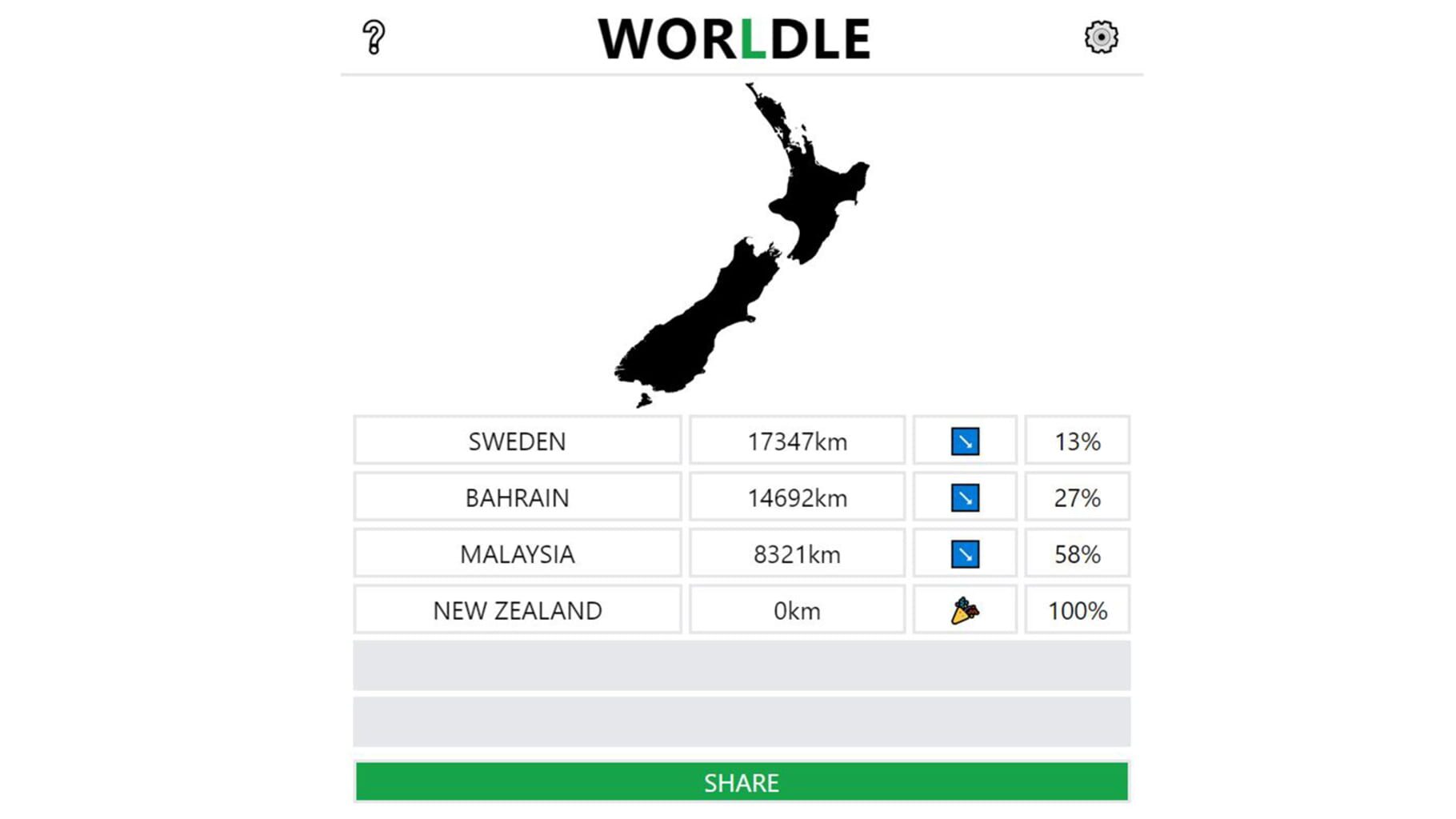
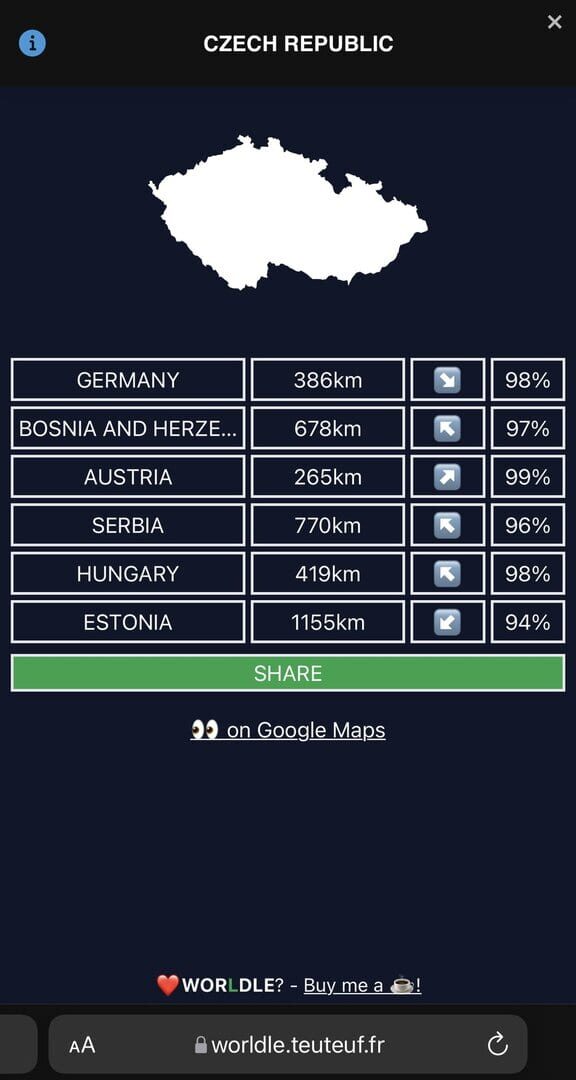
Most trivia games are binary: you either know the answer or you don't. Worldle is different because it provides a logical path to the finish line even when you’re staring at a shape you don't recognize. When you guess "Brazil" and the game tells you the target is 8,000 kilometers Northeast, it stops being a guessing game and becomes a triangulation exercise.
This is where the real learning happens. Kids (and adults) start to internalize the spatial relationship between continents. You aren't just memorizing what Uzbekistan looks like; you’re learning that it’s north of Afghanistan and west of China. For a generation that relies almost entirely on GPS to get around, this kind of macro-level spatial reasoning is a superpower. It’s a great entry point into broader geography games for kids that move beyond simple flashcards.
Beware the App Store Mimics
If you search for this game on your phone, you will find a dozen clones with nearly identical names. Many of these are cluttered with aggressive ads, "energy" limits, and prompts for in-game purchases. The developer, teuteuf, originally built this as a clean web experience, and that remains the superior way to play.
The browser version at worldle.teuteuf.fr is a masterclass in minimalist design. There are no accounts to create, no data to harvest, and no flashing banners. If your kid wants to play, bookmark the URL in Safari or Chrome rather than downloading a generic "Worldle" app from the store. It keeps the experience focused on the map rather than the monetization.
When the "Blob" is Too Hard
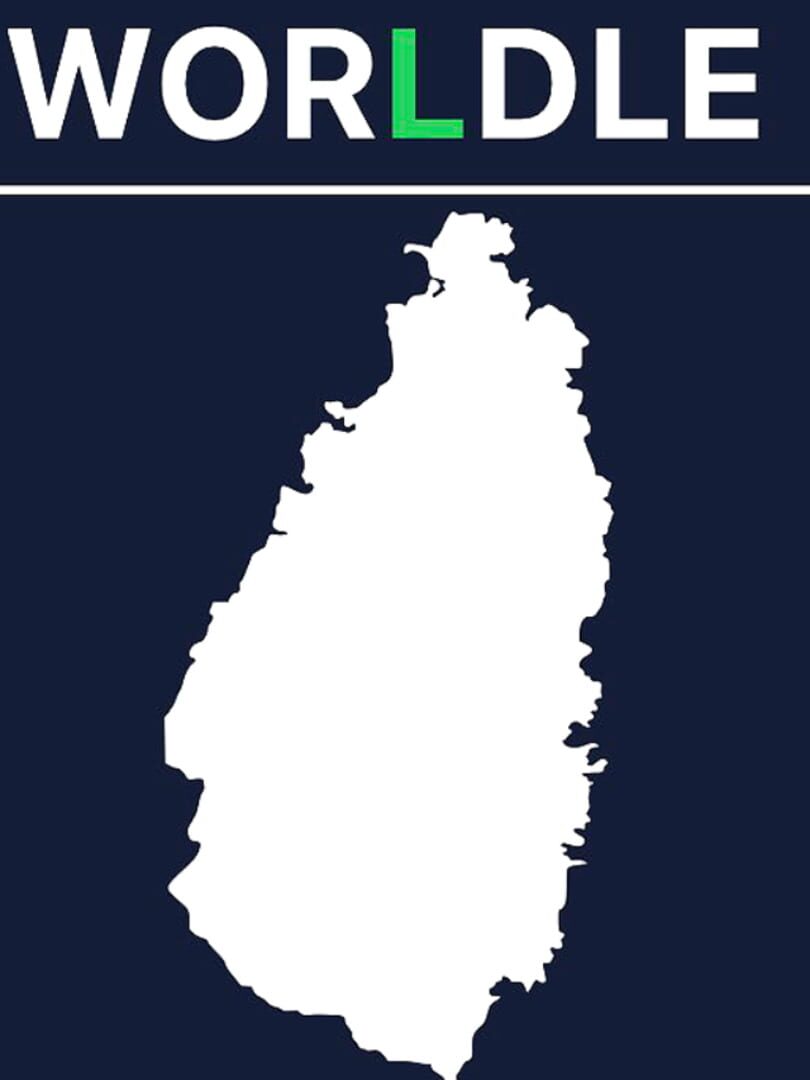
There will be days when the daily country is a tiny island nation or a territory with a shape that looks like a generic inkblot. For a ten-year-old, this can be a fast track to frustration.
To keep it fun, we recommend playing "doubles." Let them take the first three guesses to narrow down the hemisphere or continent using the distance and direction clues. If they're still stuck, pull up a physical globe or a digital map together. Using Worldle as a starting point for a "search and rescue" mission on a real map turns a potential "I give up" moment into a collaborative win. It’s less about getting it in one guess and more about the process of narrowing down the world.
The Daily Habit That Sticks
The brilliance of the one-puzzle-per-day limit is that it prevents burnout. It’s a three-minute ritual that fits into the gaps of a morning routine or the wait for a school bus. Because everyone gets the same country each day, it also creates a natural "did you get it?" moment for the family.
If your kid finds the base game too easy, the settings menu allows you to hide the country image or rotate it to make it harder. This scalability ensures the game grows with their knowledge. It’s rare to find a digital tool that is this efficient with a child's time while providing a genuine uptick in their global literacy.