The Anti-YA Dystopia
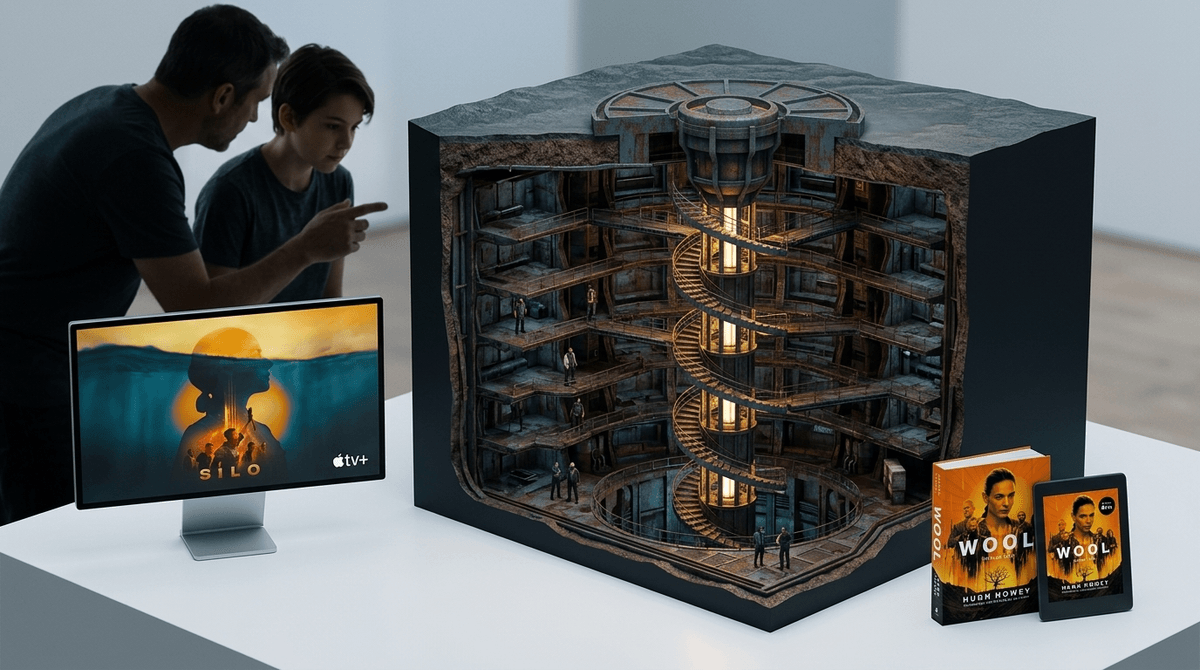
When Wool first blew up in 2011, it was a breath of fresh air. While the rest of the world was chasing the next Twilight or Hunger Games, Hugh Howey was self-publishing a story about a middle-aged sheriff and a grease-stained mechanic. There are no factions, no sorting hats, and no supernatural abilities. There’s just a very large hole in the ground and the terrifying reality of what happens when resources are finite and secrets are the only currency.
Why It Still Works in 2026
Even fifteen years later, Wool feels modern because it’s grounded in physical reality. The Silo feels real because it breaks down. Pumps fail, sensors get dirty, and people get tired of climbing thousands of stairs. For a generation of kids raised on slick, digital interfaces, there’s something fascinating about a world where everything is mechanical and analog.
"The Silo was a giant machine, and like any machine, it required maintenance. But the most difficult parts to maintain were the people."
Reading Strategy
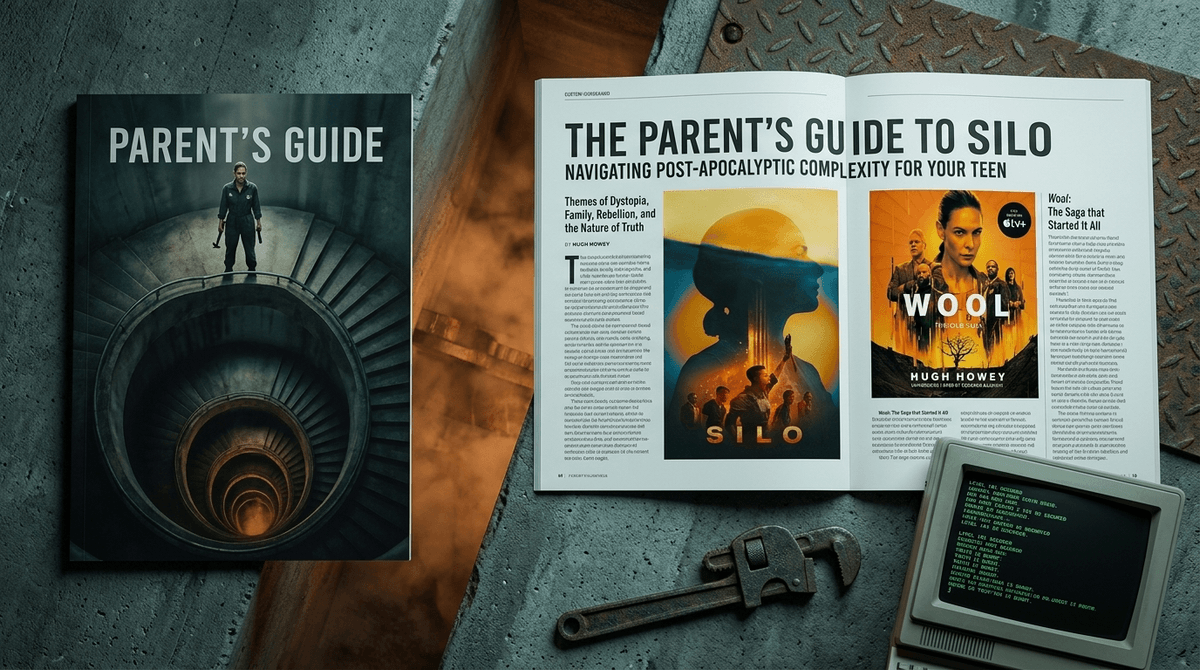
If your teen is a fast reader, buy the Wool Omnibus (which contains the first five 'books' or parts). It functions as a single, cohesive novel. If they love it, the sequels Shift and Dust complete the trilogy, though Wool is widely considered the strongest of the three. It’s also a great companion to the Apple TV+ series Silo, though reading the book first is highly recommended to appreciate the sheer scale of Howey's original vision.