The Silence of the Snow
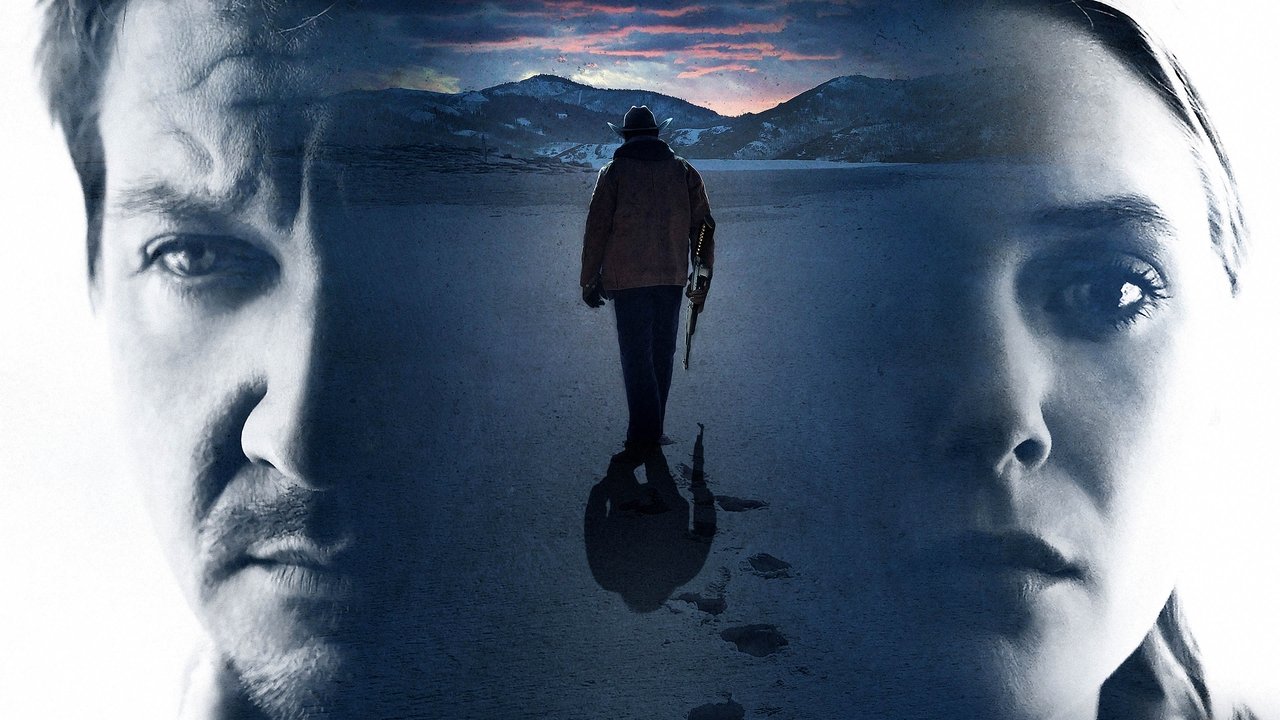
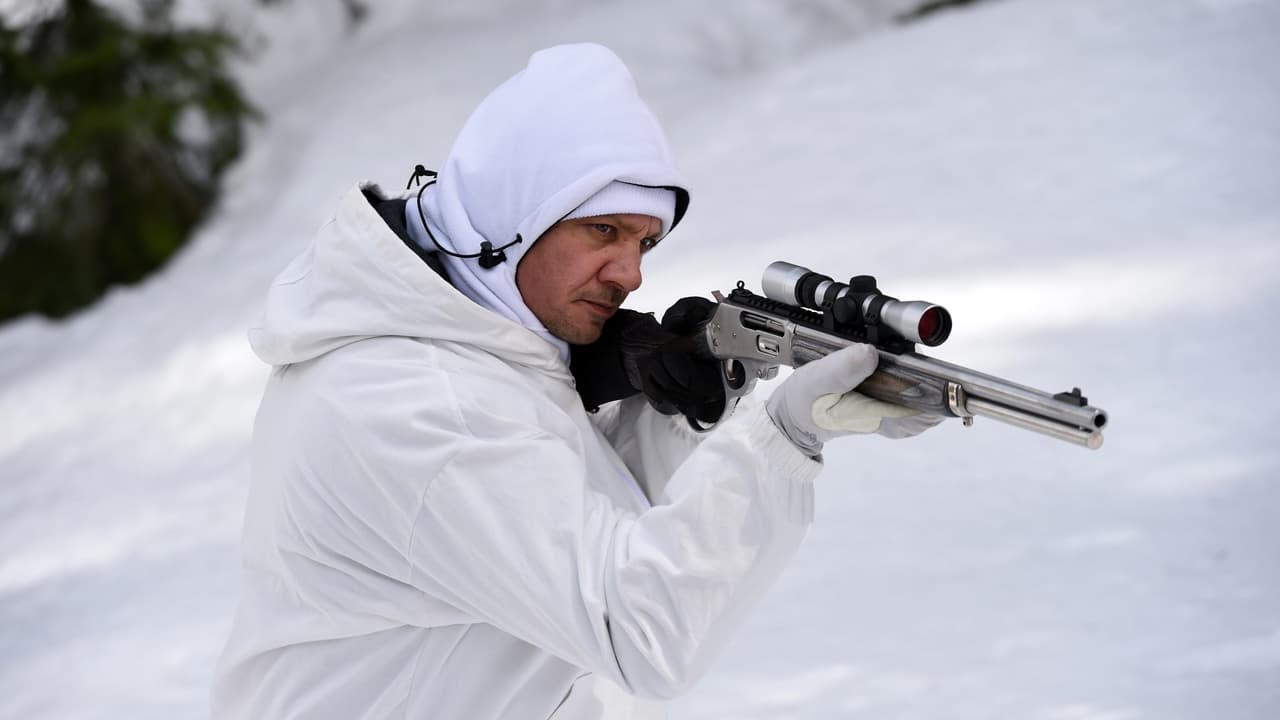
Most thrillers use the environment as a backdrop, but here the weather is the primary antagonist. It’s a "closed-room" mystery where the room is thousands of square miles of frozen wilderness. This isn't a fast-paced action movie; it's a slow-burn procedural that builds tension through silence and the sheer exhaustion of surviving in a place that feels forgotten by the rest of the world.
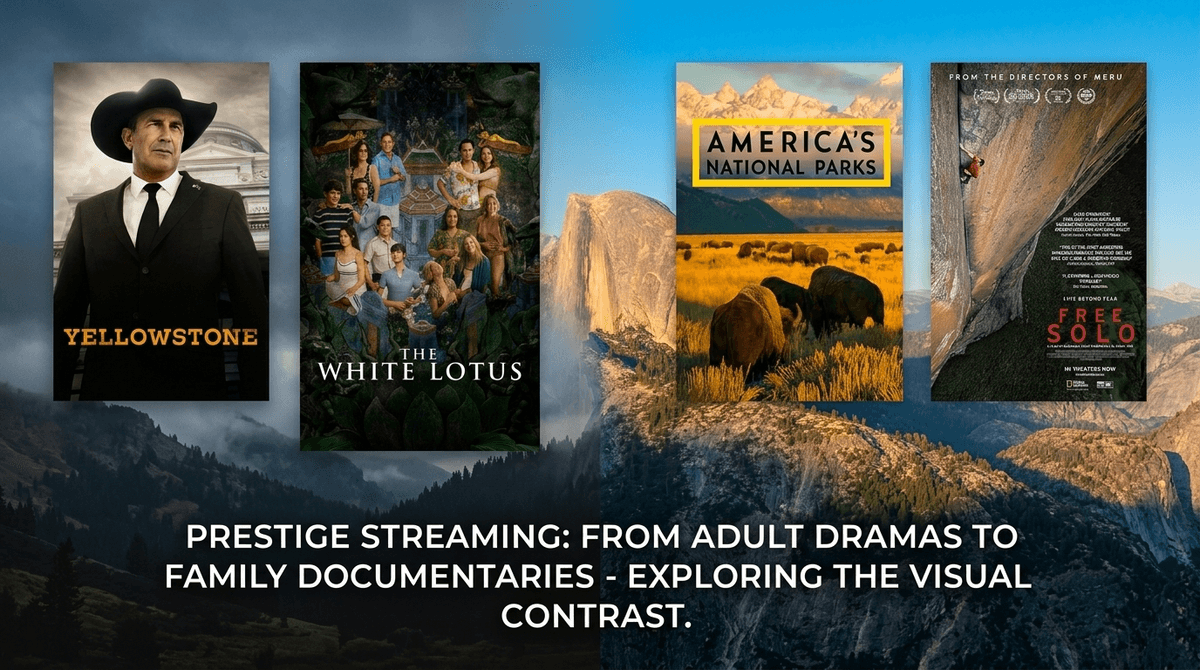
Critics and audiences agree this is a heavy hitter—the high audience score on Rotten Tomatoes reflects how much the ending sticks with people. It’s the kind of movie that makes you want to turn the thermostat up while you watch. If you’re used to the glossy, high-drama versions of the American West often found in spicy shows and movies set in national parks, this is the gritty, frostbitten reality check.
A Different Kind of Procedural
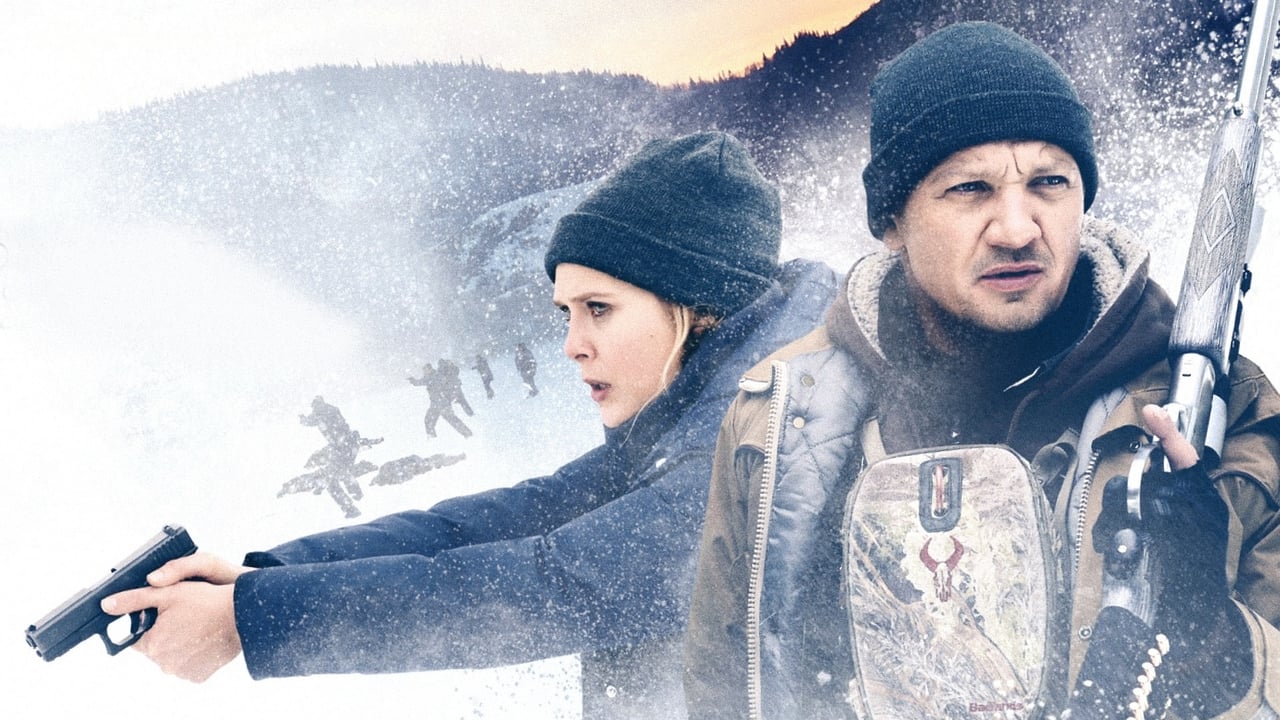
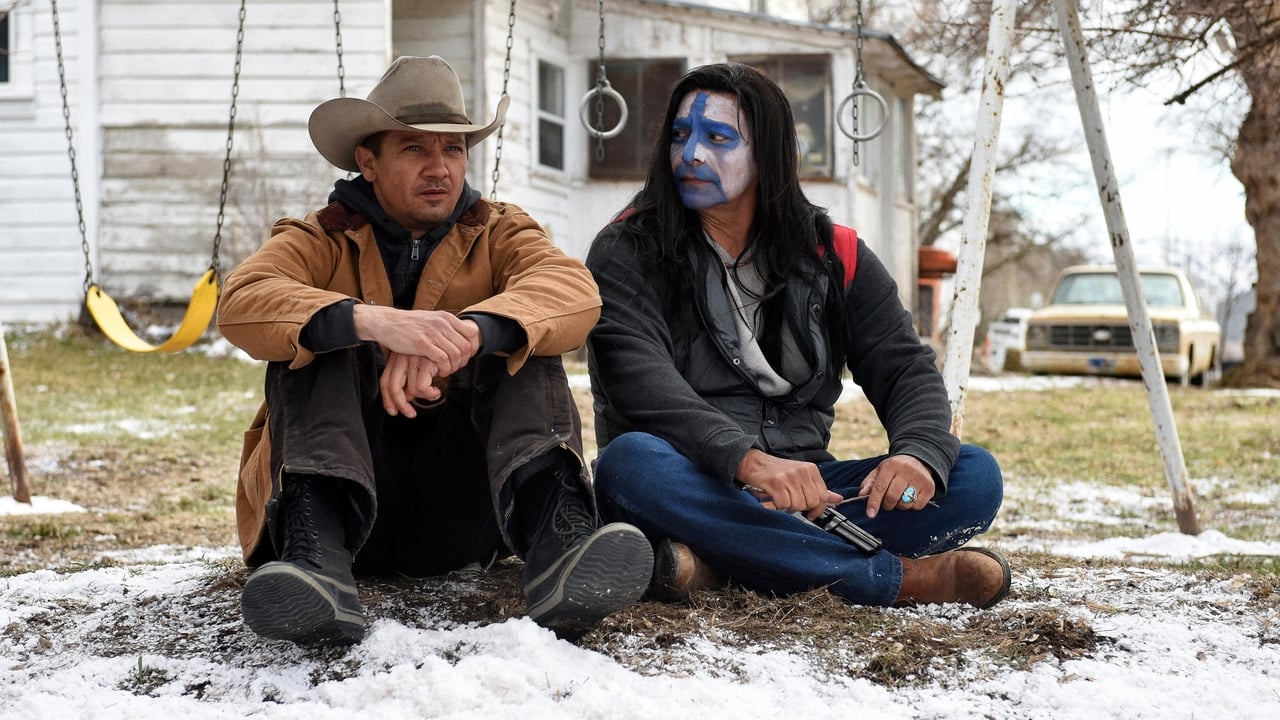
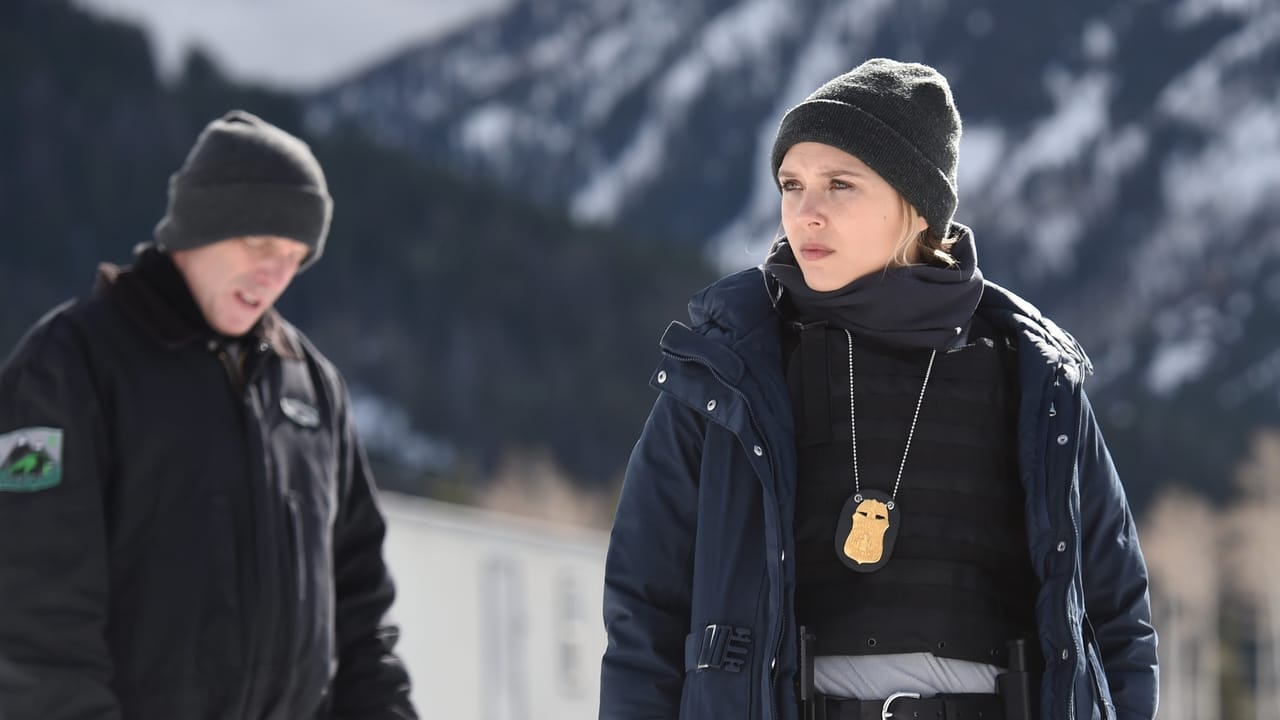
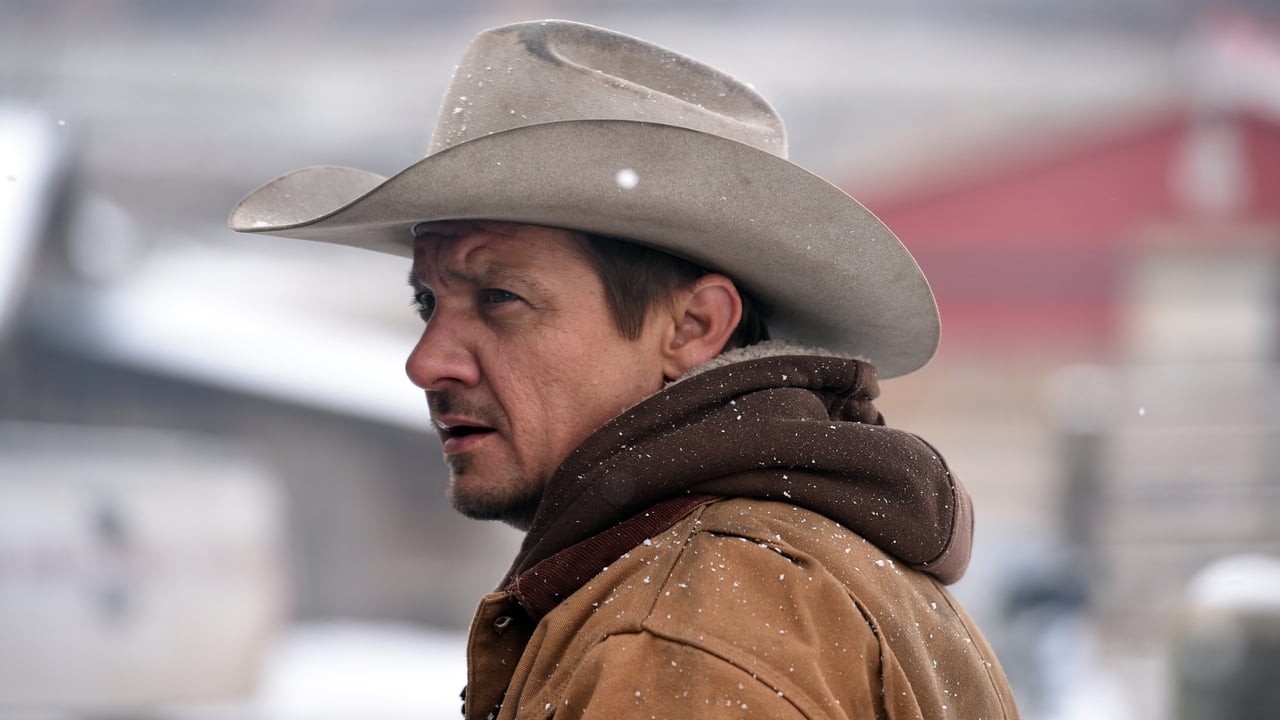
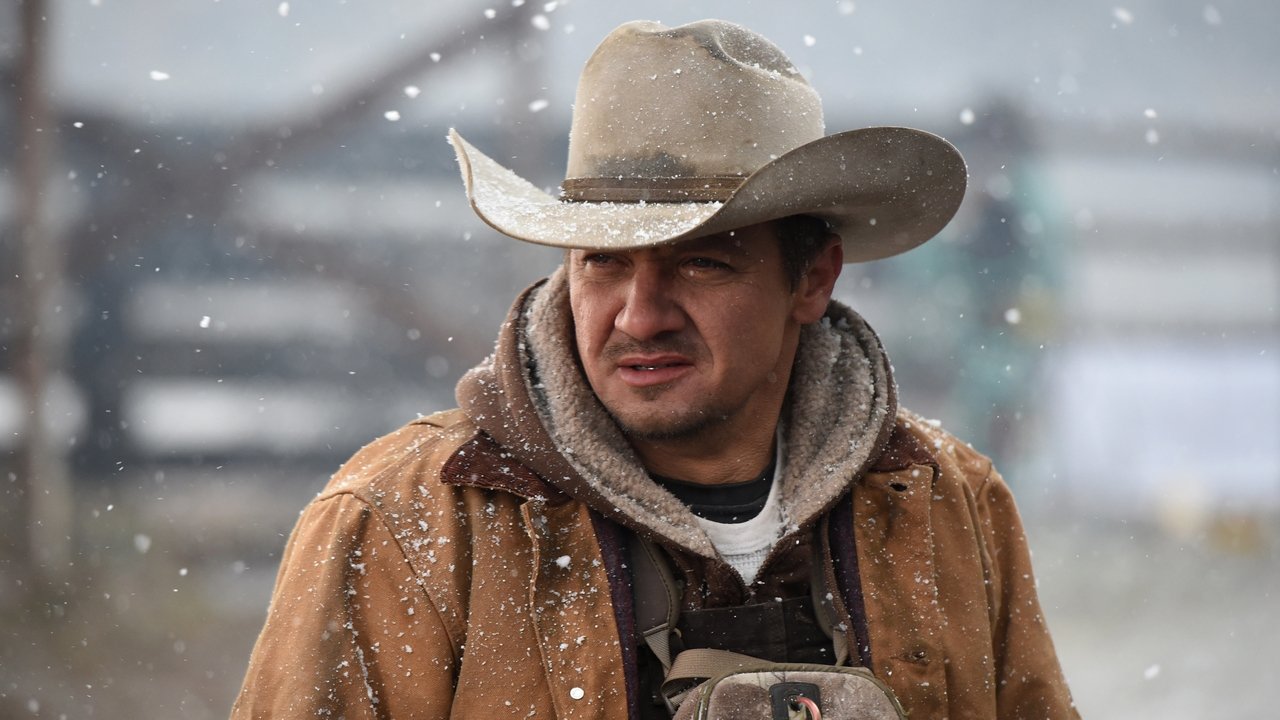
The movie avoids the usual "city cop vs. small town" clichés by making the partnership feel earned rather than forced. The FBI agent is out of her depth, not because she's incompetent, but because the rules of the wilderness are different from the rules of the city. The tracker isn't a superhero; he's a man who understands that in this environment, you either adapt or you disappear.
The mystery itself is almost secondary to the study of grief. We see how loss ripples through a community, especially one that already feels isolated. It’s a stark look at the jurisdictional nightmare of law enforcement on reservations, where help is often hours away and the paperwork is a maze. It’s informative without being preachy, letting the tragedy of the situation speak for itself.
The Point of No Return
There is a specific sequence toward the end—a flashback—that completely changes the movie's temperature. Up until that point, it’s a cold mystery. Then, it becomes a visceral, heartbreaking tragedy. It’s the moment that justifies the movie’s high age rating. It isn't just about the violence; it’s about the sudden, jarring loss of safety.
If you’ve seen other gritty crime dramas where the setting is a character, you’ll recognize the DNA here. It’s less about the "who" and more about the "why" and "how." It’s a film that demands your full attention, not because the plot is overly complex, but because the emotional beats are so quiet.
How to Watch
Don't put this on when you're looking for background noise or a quick thrill. It’s a "Friday night after the house is quiet" movie. It pairs well with a heavy blanket and a long conversation afterward. While it’s available on platforms like Netflix and Plex, the cinematography is best appreciated on the biggest screen you have.
The film is a reminder that some of the most compelling stories aren't found in big cities or space, but in the quiet, overlooked corners of the map. It’s unflinching, and while it’s a tough watch, it’s one that lingers long after the credits roll.