The "Hot Dog is a Sandwich" Energy
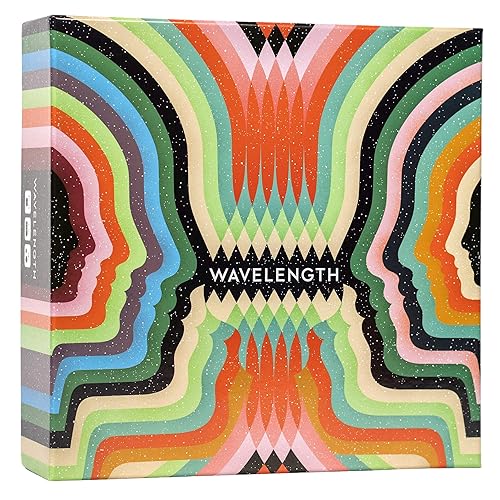
Wavelength isn't a game about facts; it's a game about how you perceive the world. Most Party Games for Families rely on someone being the fastest or knowing the most trivia. This one relies on you knowing that your teenager thinks a "medium-sized" dog is actually a Golden Retriever, while you think it’s a Beagle.
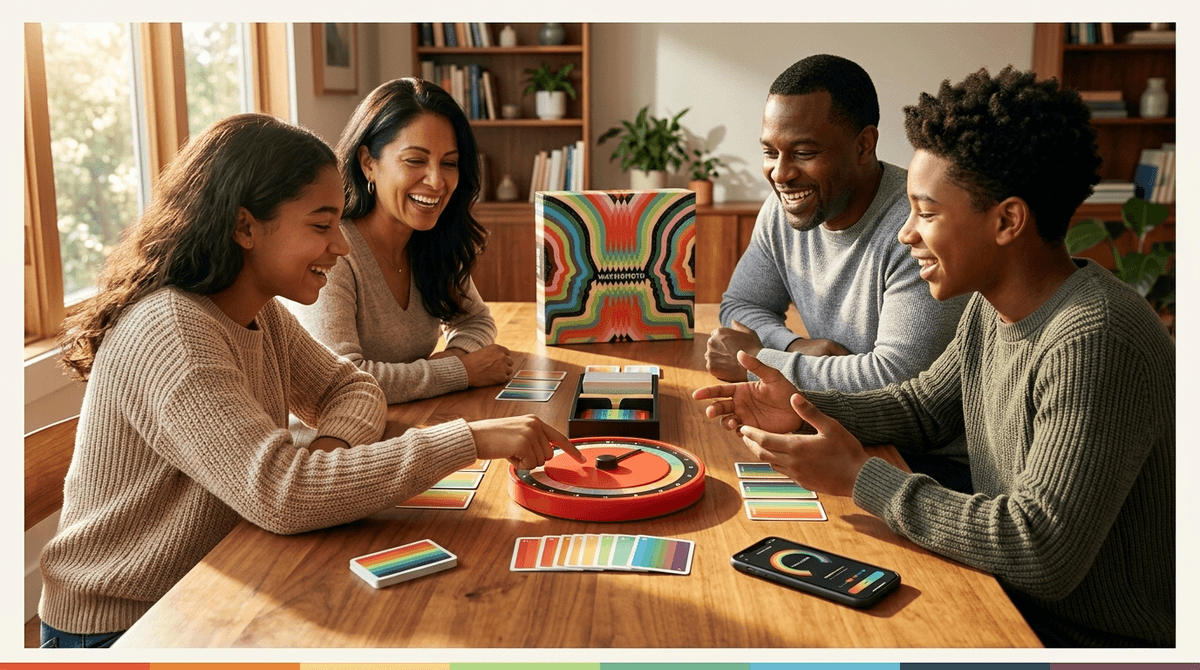
The magic happens in the discussion. When the Psychic gives a clue for a spectrum like "Low Calorie — High Calorie," and they say "Avocado," the team has to spend five minutes debating the nuances of healthy fats versus caloric density. It’s an argument generator in the best possible way. You aren't just playing a game; you’re calibrating your brain to the people you live with. If you've struggled to find The Best Multiplayer Games for Family Game Night that don't end in someone stomping out of the room, this is your solution. The cooperative nature means the "enemy" is the dial, not your sister.
The Physicality of the Dial
The centerpiece is a large, plastic wheel with a sliding screen. It feels like a piece of 1970s game show equipment. There is a tactile satisfaction in spinning the wheel and then "revealing" the answer by sliding the cover open.
Critics on Reddit have pointed out that the dial can be a bit finicky—if you're too aggressive when opening the plastic shutter, you might accidentally nudge the scoring needle. It’s a minor design flaw in an otherwise brilliant piece of engineering. Just treat the reveal like a dramatic moment in a movie rather than a race, and the hardware holds up fine. This physical "toy" factor is why it works so well for younger kids who might get bored by card-only games.
Why the 14+ Rating is Nonsense
The box lists the age as 14+, but that is likely a result of safety testing regulations rather than content. Designers Alex Hague, Justin Vickers, and Wolfgang Warsch created a system that is purely subjective.
As long as a kid understands the two words on the card—like "Quiet" and "Loud"—they can play. In fact, playing with younger kids often makes the game better because their "wavelength" is so different from an adult's. It forces the adults to stop thinking like cynical grown-ups and start thinking about how an eight-year-old views the world. If you want to see how this social-deduction dynamic plays out in other formats, check out our deep dive on Wavelength: The Party Game That Makes Your Kids Actually Talk to You.
If You Liked Codenames
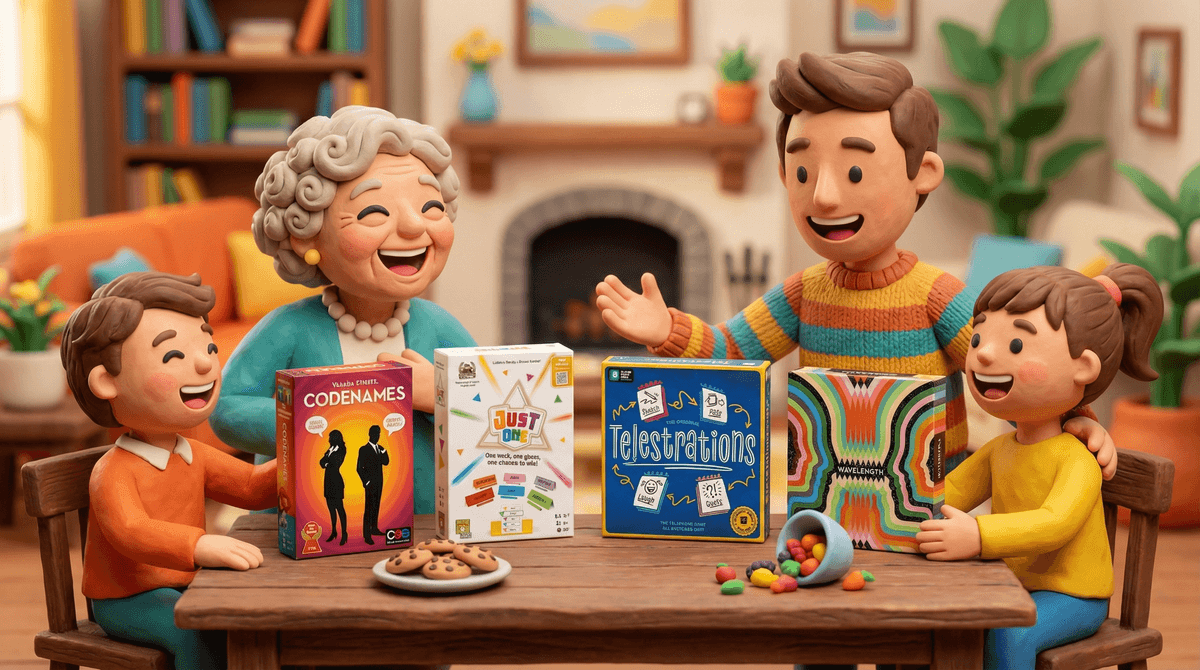
If your family is already a fan of Codenames, Wavelength is the logical next step. While Codenames is about finding the specific link between words, Wavelength is about the gray area between them.
It’s less stressful than Codenames because there’s no "assassin" card that ends the game instantly. You can be slightly off and still score points. It’s a "vibe" game. You’ll find yourself still talking about the clues three days later, asking your spouse how they could possibly think a "scary animal" is a house cat. That’s the sign of a game that has staying power.




/pic9273518.jpg)
/pic8669313.png)
/pic4552862.png)
/pic5988903.jpg)
/pic4946885.jpg)