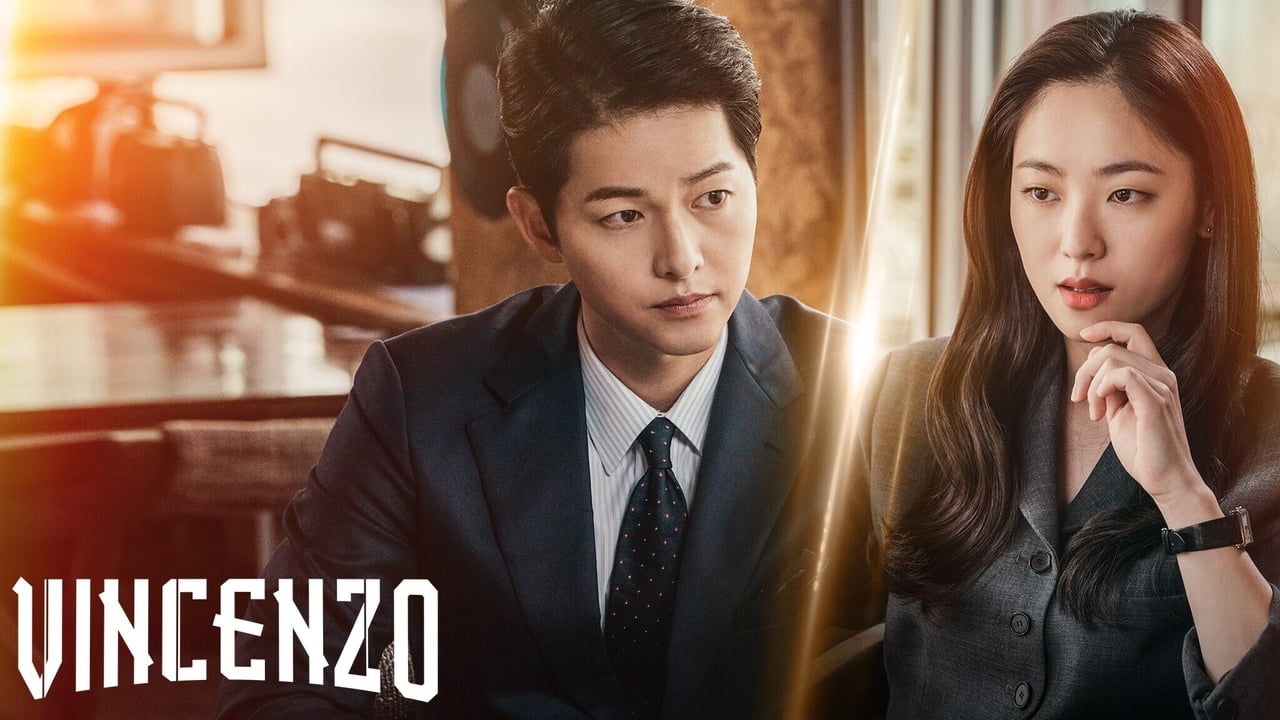
The Anti-Hero We Deserve?
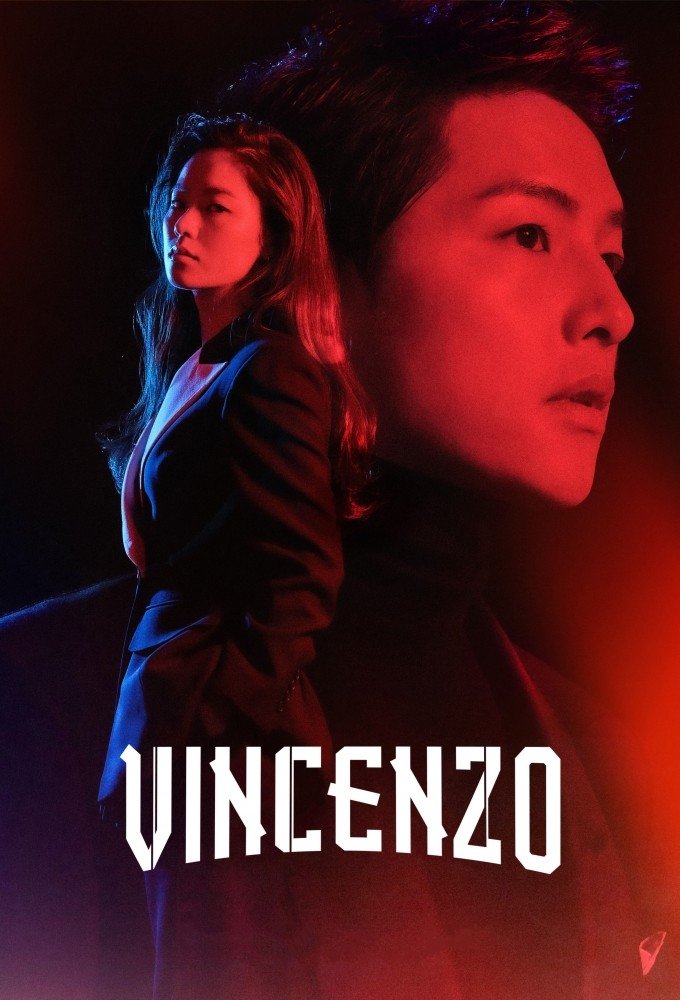
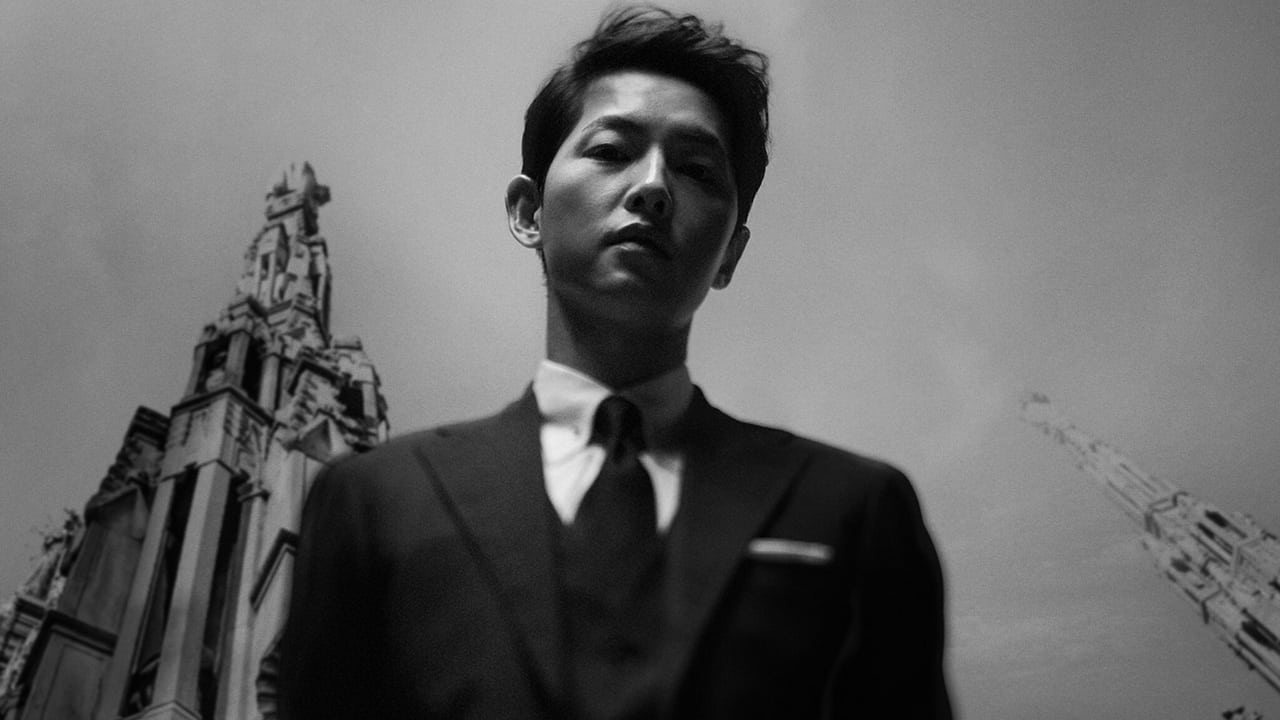
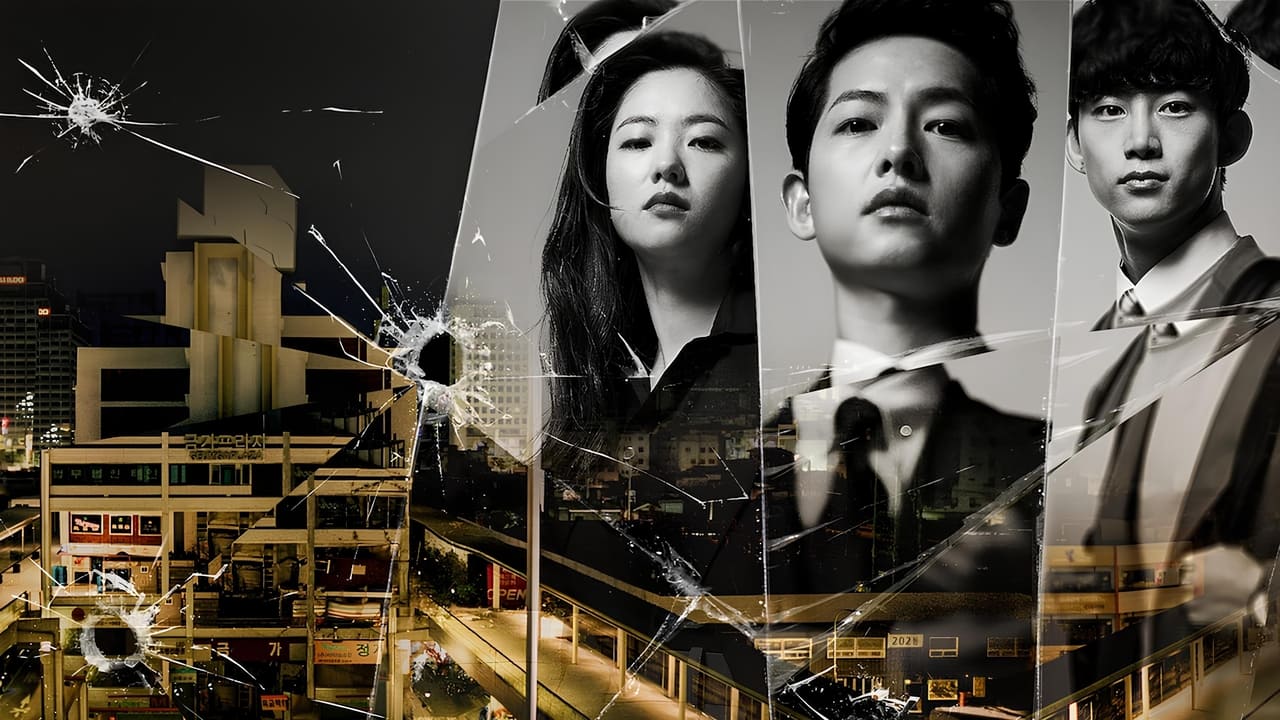
Vincenzo arrived in 2021 and immediately set itself apart from the typical K-drama legal procedural. It doesn't just ask if the system is broken; it assumes the system is a dumpster fire and brings the gasoline. The core hook—a Korean boy adopted into an Italian mafia family returns to Seoul to find gold and ends up in a war—is absurd on paper, but Song Joong-ki sells it with every icy glare and perfectly tailored suit.
What makes this show tricky for parents is the tonal whiplash. Korean dramas often mix genres, but Vincenzo takes it to an extreme. You’ll have five minutes of high-energy physical comedy involving a bumbling chef or a weird pigeon (shout out to Inzaghi), followed immediately by a scene where a villain is being burned alive or a witness is being thrown out a window. It’s jarring, but for a certain type of teen viewer, that's exactly why it works. It never feels predictable.
Ethical Grey Zones
From a developmental perspective, the show is a goldmine for discussing moral ambiguity. Vincenzo doesn't believe in the law; he believes in the 'mafia way.' He uses blackmail, intimidation, and physical harm to achieve his goals. The show explicitly frames him as a 'monster fighting other monsters.' This is a great jumping-off point for conversations about whether the ends justify the means. Is Vincenzo's brand of 'justice' actually justice, or is it just a different flavor of tyranny?
If your teen is a fan of Succession or Breaking Bad, they will likely find the power dynamics here fascinating. The villains at Babel Group are caricature-level evil, which makes the eventual 'payback' moments incredibly cathartic, even if they are objectively brutal. Just make sure you're ready for the subtitles—the dialogue is fast, and the legal jargon (even in translation) requires a bit of focus.