The Dickensian vegetable mashup you didn't know you needed
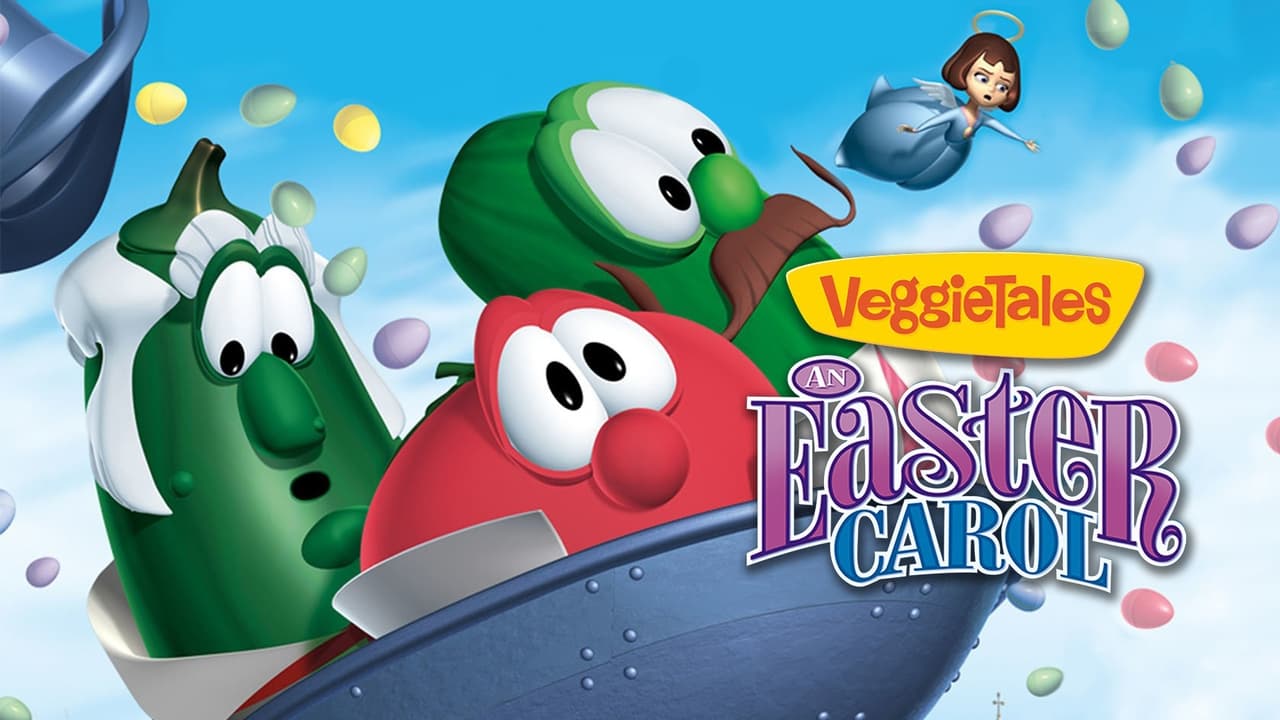
If you’ve seen a single episode of this series, you know the formula: take a classic literary work, replace the humans with produce, and add a heavy dose of mid-2000s Christian pop music. An Easter Carol follows the A Christmas Carol blueprint almost beat-for-beat, but with Mr. Nezzer standing in for Scrooge. Instead of hating Christmas, he’s trying to commercialize Easter into a giant, mechanical-chicken-fueled egg factory.
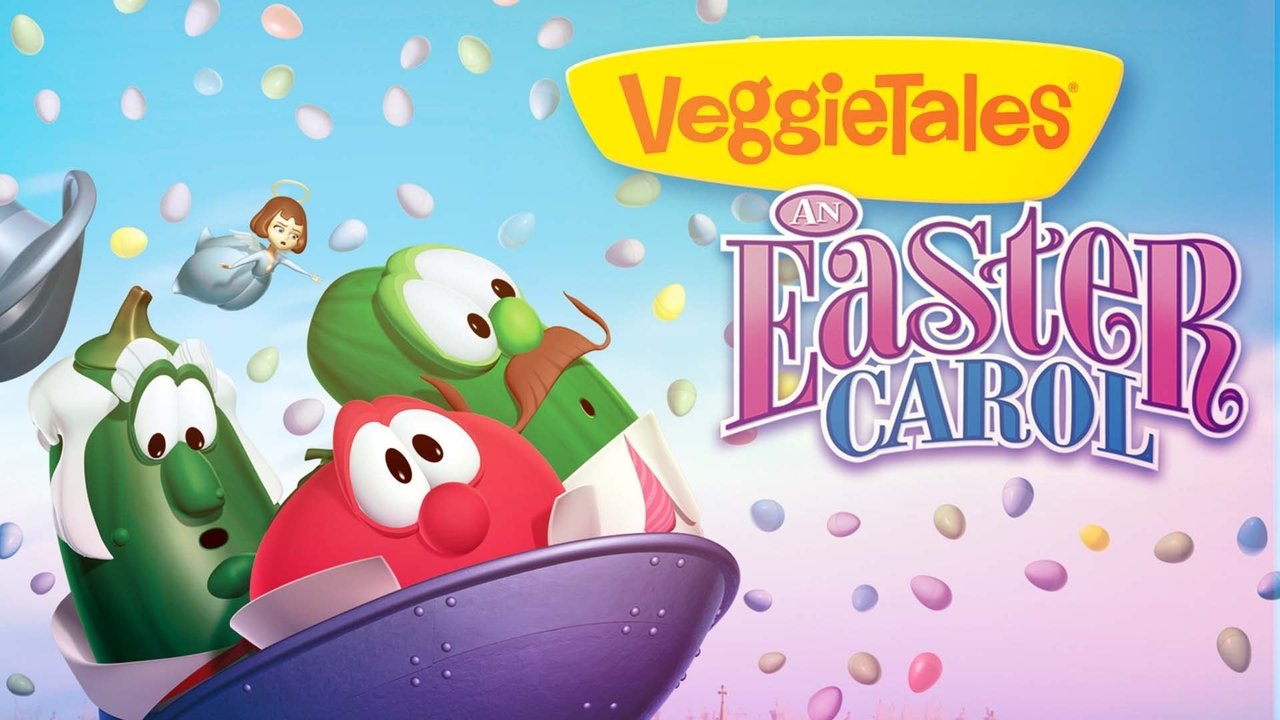
It’s weird, even by the standards of this show. We’re talking about a Victorian London populated by cucumbers and tomatoes who are somehow also concerned with the theological implications of the resurrection. If your family is already in the "Veggie-verse," this is a comfortable, predictable entry. If you’re coming in cold, the sight of a music box angel named Hope—voiced by Christian pop star Rebecca St. James—might feel a bit surreal.
The 2004 animation hurdle
We have to talk about the visuals. By 2026 standards, 2004 CGI animation is brutal. We are firmly in the "uncanny valley" era of early digital rendering. The textures are flat, the lighting is basic, and the character movements can feel stiff. For a three-year-old who is used to the lush, cinematic quality of modern Disney or Pixar, this might look like a high-end PlayStation 2 cutscene.
However, younger kids rarely care about frame rates or texture mapping. They care about the fact that there are chickens that lay plastic eggs and a giant vegetable having a meltdown. If you can get past the "dated" look, the storytelling is actually quite tight. It manages to condense a complex theological concept into a 45-minute narrative that toddlers can actually follow without their brains leaking out of their ears.
Where this fits in your rotation
If you are looking for a way to bridge the gap between "the Easter Bunny is coming" and the actual religious history of the holiday, this is one of the most effective tools in the shed. It’s significantly more focused than a lot of other faith-based films that match your child's age, mostly because it uses the familiar Scrooge framework to explain why "hope" matters.
- For the Dickens fans: It’s a surprisingly faithful adaptation of the spirit of the original book, just with more puns.
- For the skeptics: If your kids find the "Ghost of Christmas Future" vibes too scary in other versions, this one keeps the "future" segments much softer and more focused on the loss of hope rather than existential dread.
- The "Boredom" factor: This isn't an action movie. It’s a musical morality play. If your kid needs Paw Patrol levels of constant sensory input, they will likely check out by the second act.
The "Hope" of it all
The character of Hope (the music box angel) is the emotional anchor here, though some parents find her a bit one-note. She exists to deliver the message, and she does it through song. It’s earnest, it’s sweet, and it’s very sincere. In a world where most kids' media is dripping with irony or meta-humor, there is something almost refreshing about a movie that just says what it means without a wink to the camera. It’s a safe, "veggie-forward" way to spend an hour on a Sunday morning when you want the kids occupied with something that won't require a follow-up conversation about why the main character was being a jerk.