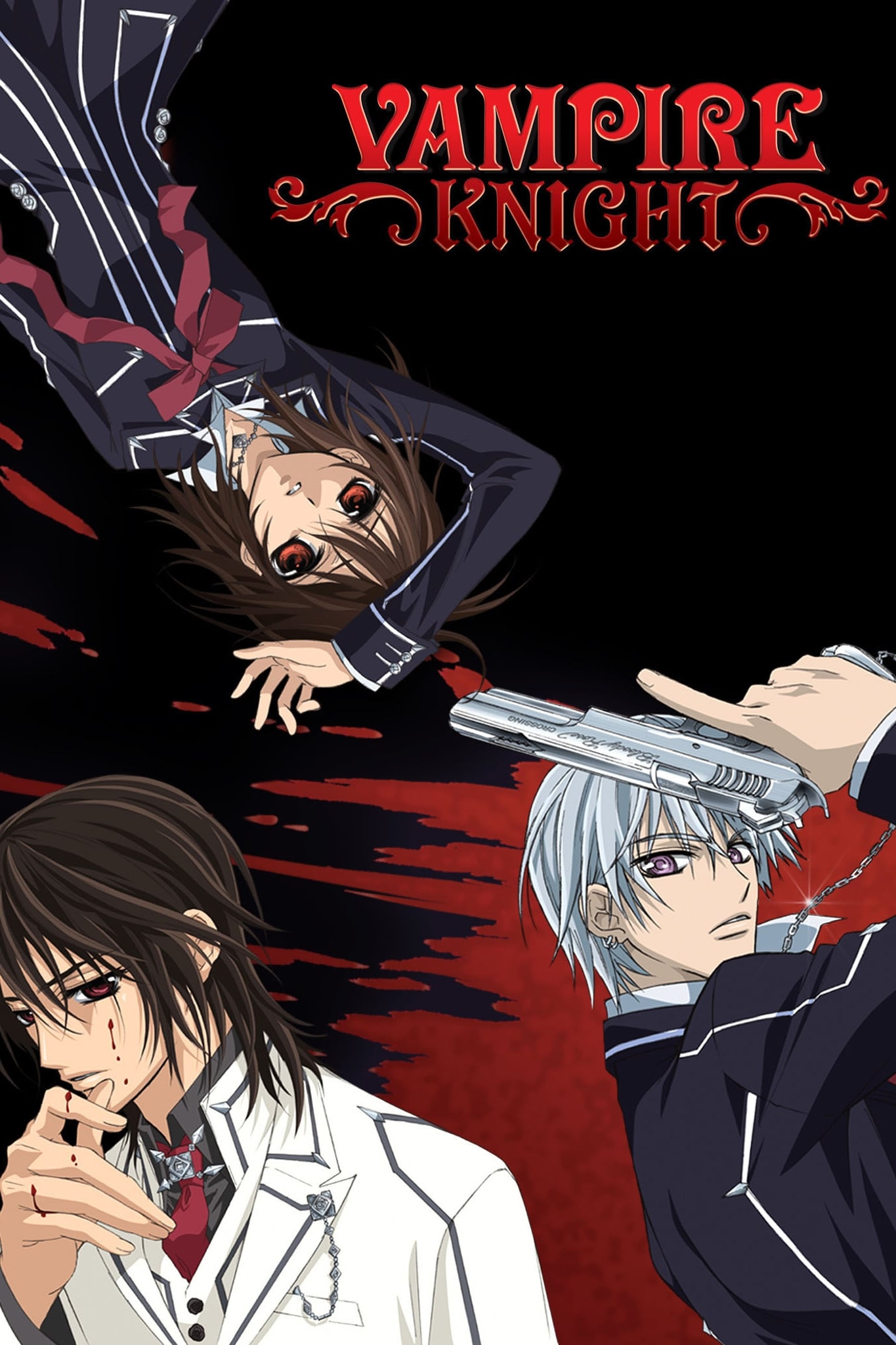
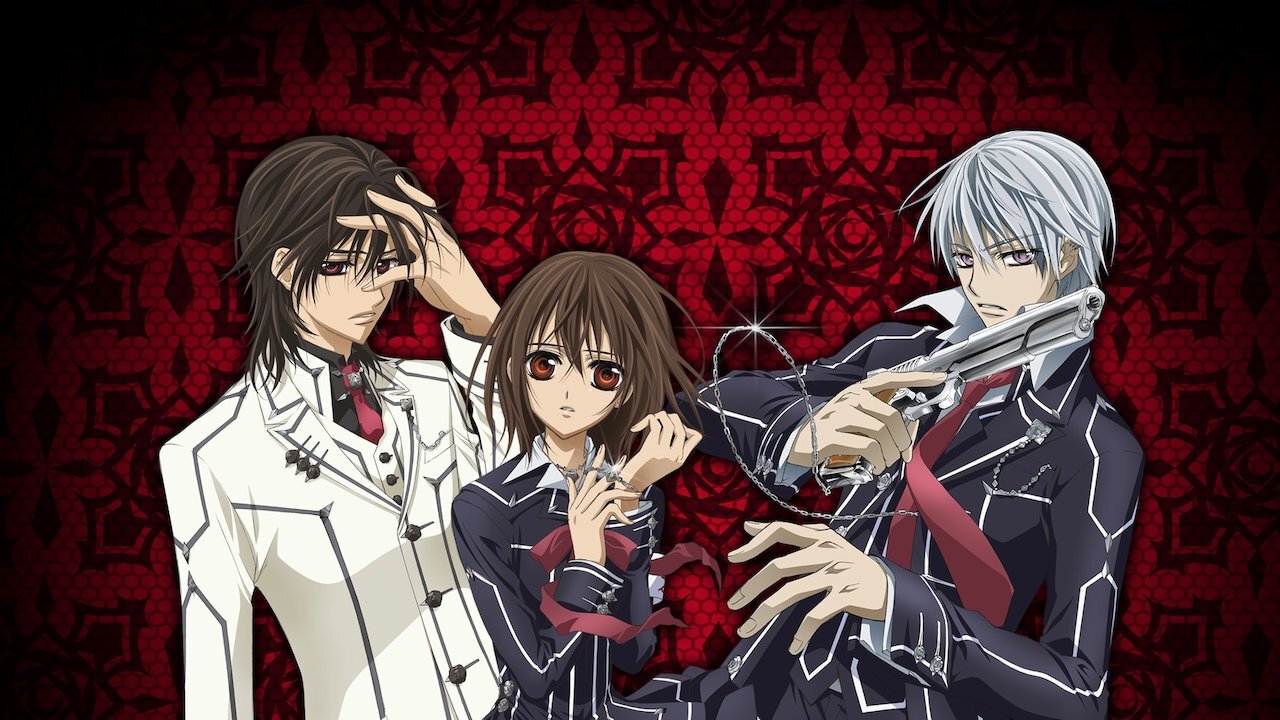
The 2008 emo-gothic time capsule
If you weren't hanging out in a Hot Topic or scrolling through anime forums in the late 2000s, it’s hard to describe the absolute stranglehold this show had on a specific corner of the internet. Vampire Knight was released right as the Twilight fever was hitting its peak, but it traded the rainy Pacific Northwest for a sprawling, gothic private school aesthetic that we now call "Dark Academia."
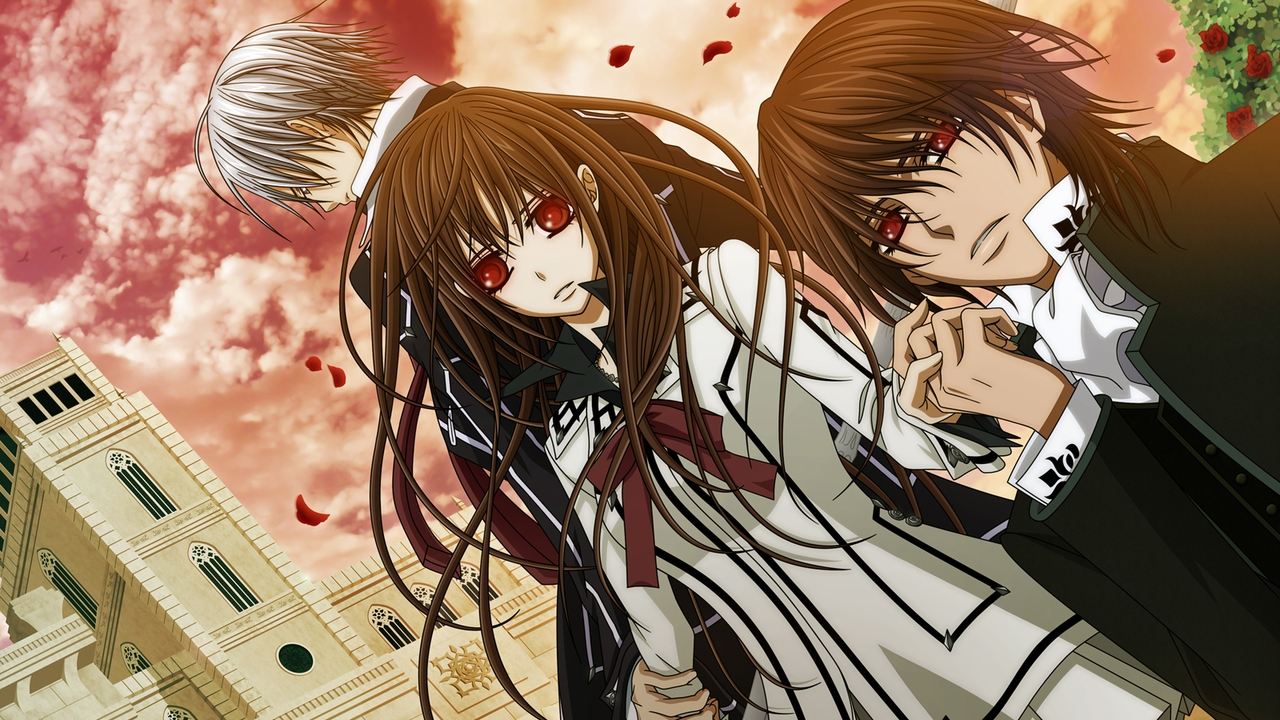
It’s moody. It’s melodramatic. It’s full of long, lingering stares and rose petals falling in slow motion. For a teen who is currently obsessed with the "aesthetic" of vampires rather than the actual horror of them, this is the motherlode. But be aware that this isn't a modern, self-aware show. It plays its high-stakes drama completely straight, which makes it either deeply compelling or unintentionally hilarious, depending on your tolerance for teenage angst.
The "pureblood" problem
The biggest hurdle for a modern viewer—and the thing you’ll likely hear about if your kid looks this up online—is the central romantic reveal. The show builds up a mystery around Yuki’s past, and when the curtain is finally pulled back, it leans hard into "Pureblood" vampire lore that insists on keeping the bloodline "clean."
We’re talking about a biological brother-sister romance that the story frames as destiny rather than a disaster. While the anime doesn't go as far as the original manga in some of its later chapters, the "incest" twist is the defining characteristic of the series. If your teen is used to the relatively sanitized romances of modern YA, this might be a genuine "record scratch" moment. It’s not just a plot point; it’s the foundation of the entire third act.
Toxic tropes and the "I can fix him" energy
The two male leads, Kaname and Zero, represent the two poles of the "problematic fave" spectrum.
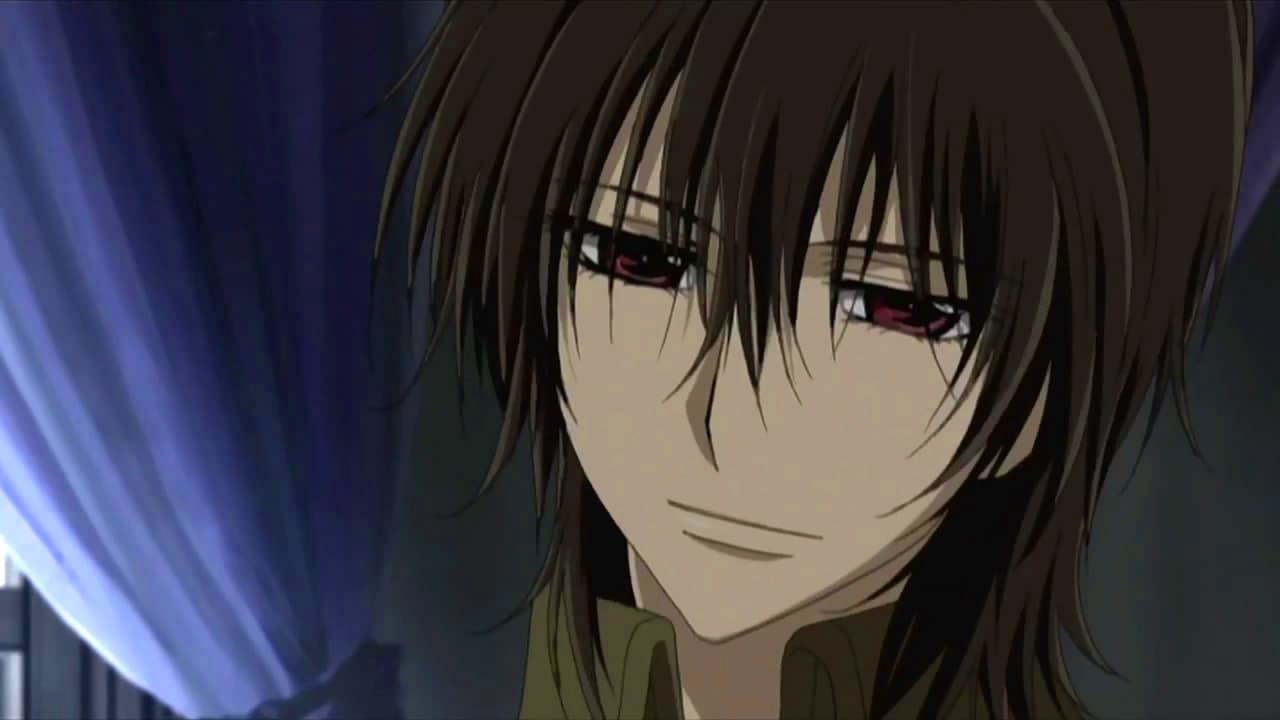
- Kaname is the classic grooming archetype. He’s older, powerful, and has spent years orchestrating Yuki’s life from behind the scenes. It’s possessive, manipulative, and framed as "deep love."
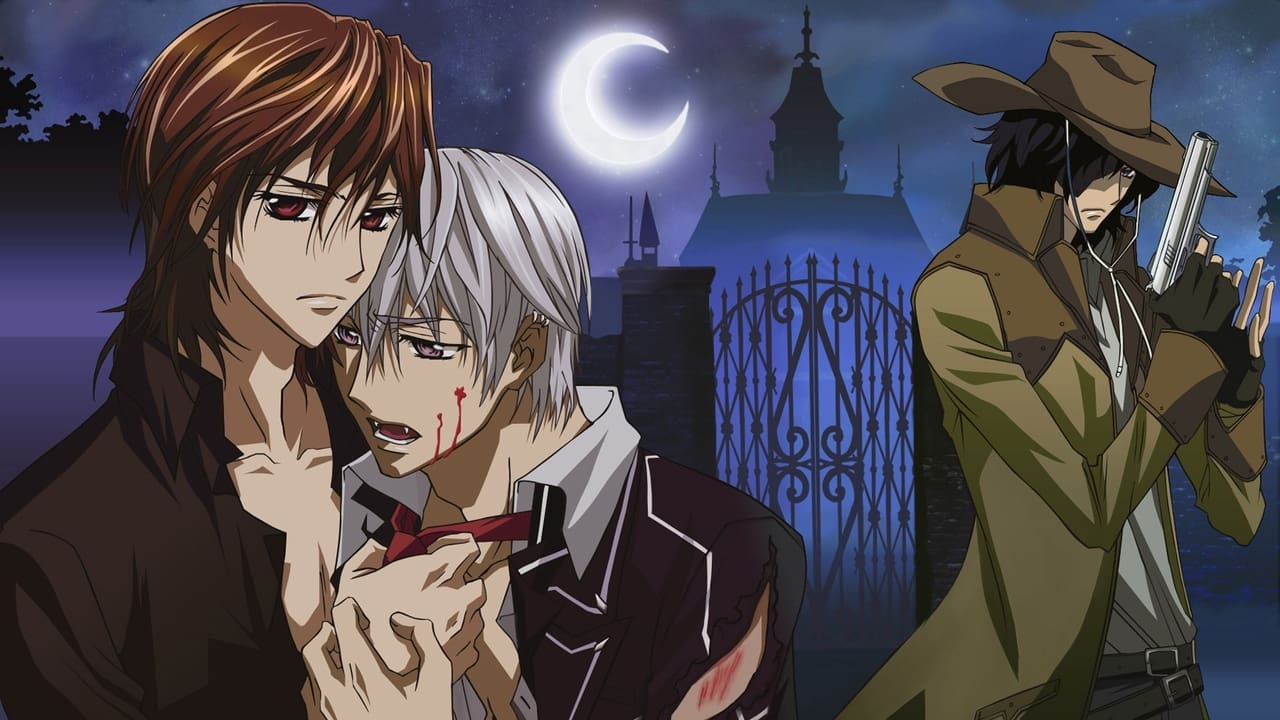
- Zero is the poster child for the "tortured bad boy." He spends most of the series in a state of self-loathing, occasionally lashing out or threatening the person he’s supposed to protect.
The "romance" here is less about healthy communication and more about codependency and blood-drinking metaphors for intimacy. If your kid is into The Vampire Diaries or Gossip Girl, they’ll recognize the rhythm of these toxic dynamics immediately. It’s a supernatural soap opera where everyone is miserable, and that misery is exactly what the fans are there for.
Why it still gets watched
Despite the stiff animation and the "yikes" factor of the plot twists, the show has a 7.1 on IMDB for a reason. The atmosphere is unmatched. The soundtrack is haunting, and the character designs—with their impossibly long legs and jagged hair—are iconic examples of the era's style.
It’s a specific flavor of "guilty pleasure" media. It’s not trying to be a deep meditation on the human condition; it’s trying to be the most dramatic thing you’ve ever seen. If you can get past the dated production values and the questionable family tree, it’s a fascinating look at what passed for "peak romance" in the mid-aughts. Just don't expect anyone to make a rational decision at any point in the 26-episode run.