
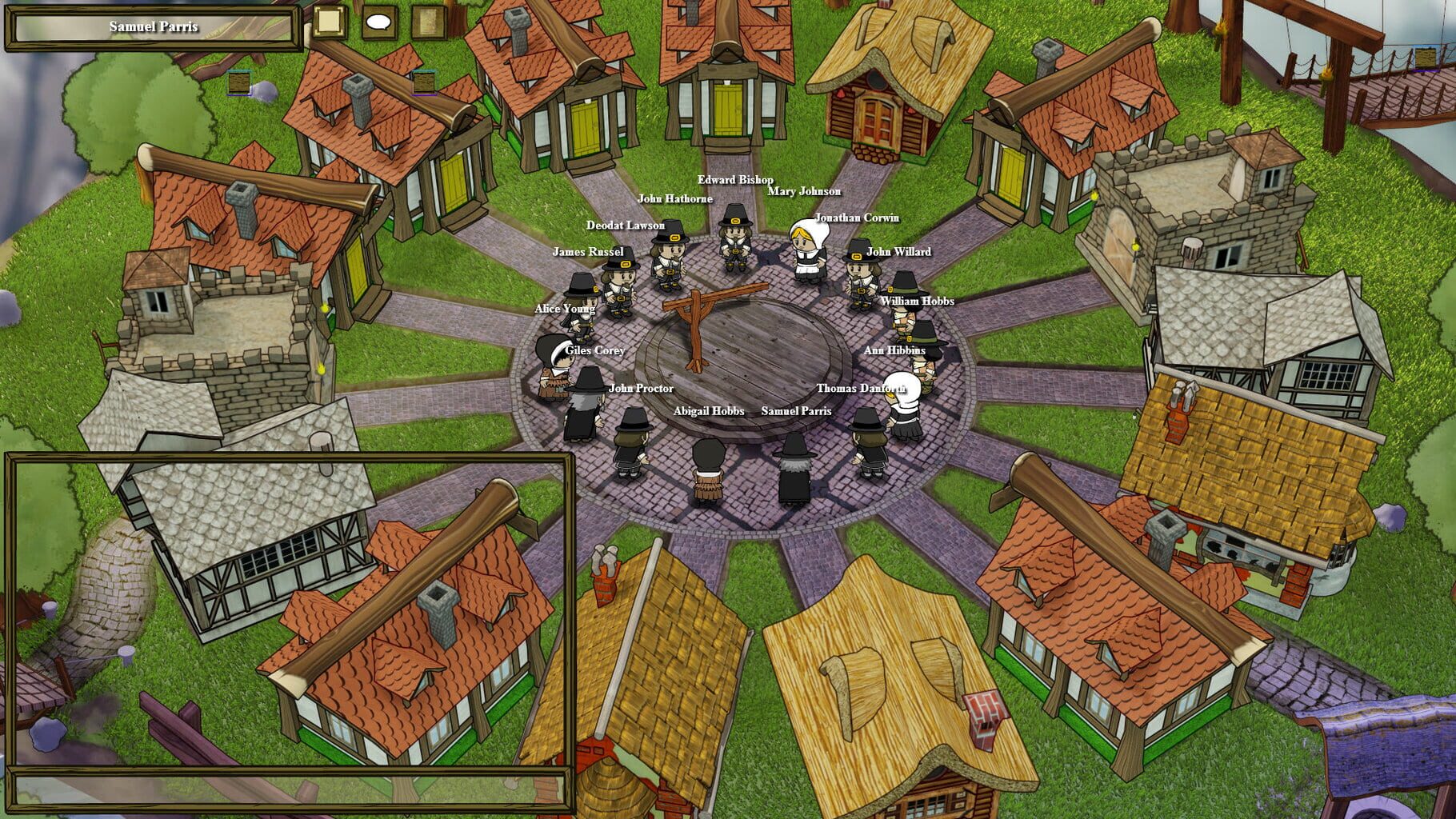
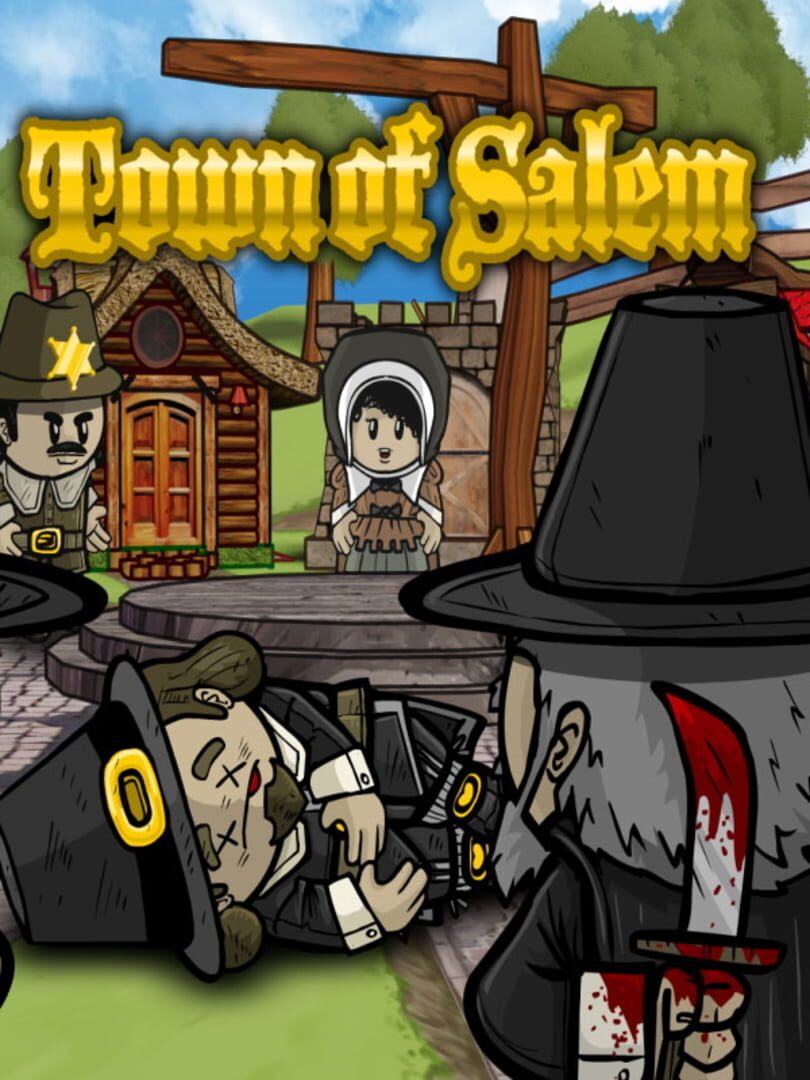


Town of Salem is basically a digital version of Mafia/Werewolf, and it's legitimately engaging for teens who enjoy social deduction games. The strategic thinking and deductive reasoning skills are real, and there's genuine entertainment value in the cat-and-mouse gameplay.
But let's be honest: this is a game about lying and murder where you're interacting with internet strangers. The community has a well-earned reputation for toxicity, and despite supposed chat filters, kids will encounter inappropriate usernames, trolling, and sometimes genuinely mean behavior. The 'online_chat: false' in the data is misleading—the game IS chat, just text-based.
The bigger question is whether you want your kid spending hours perfecting the art of deception. Sure, it's 'just a game,' but younger teens might not have the emotional sophistication to compartmentalize that. For mature 15-16 year olds who already navigate online spaces safely? It's probably fine and might even be intellectually stimulating. For a 12-year-old? Hard pass.
Also worth noting: this game is from 2014 and shows its age. Among Us basically took this concept and made it more accessible and less toxic. If your kid is interested in social deduction games, that might be a better starting point.