The Gold Standard of Strategy
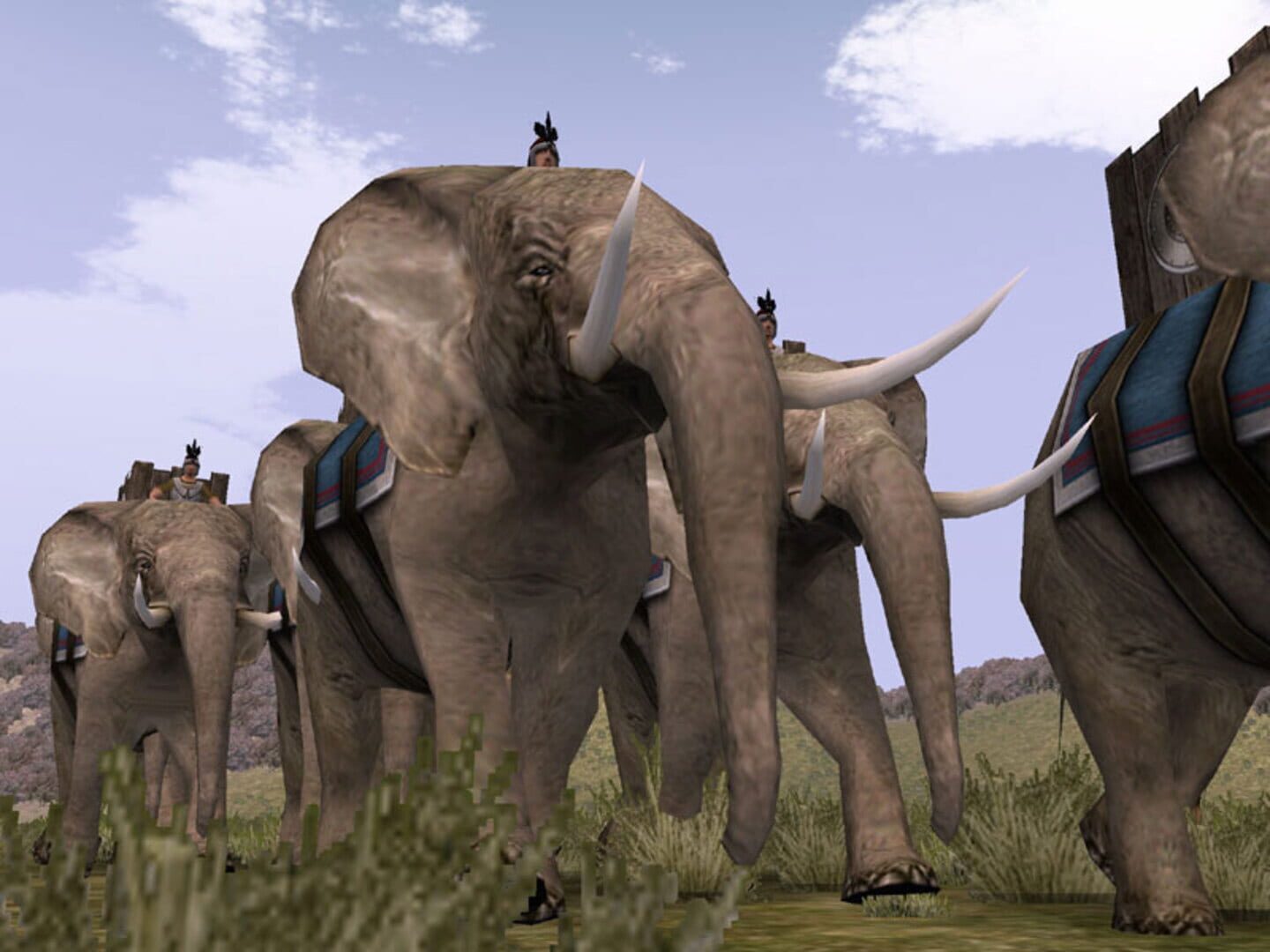
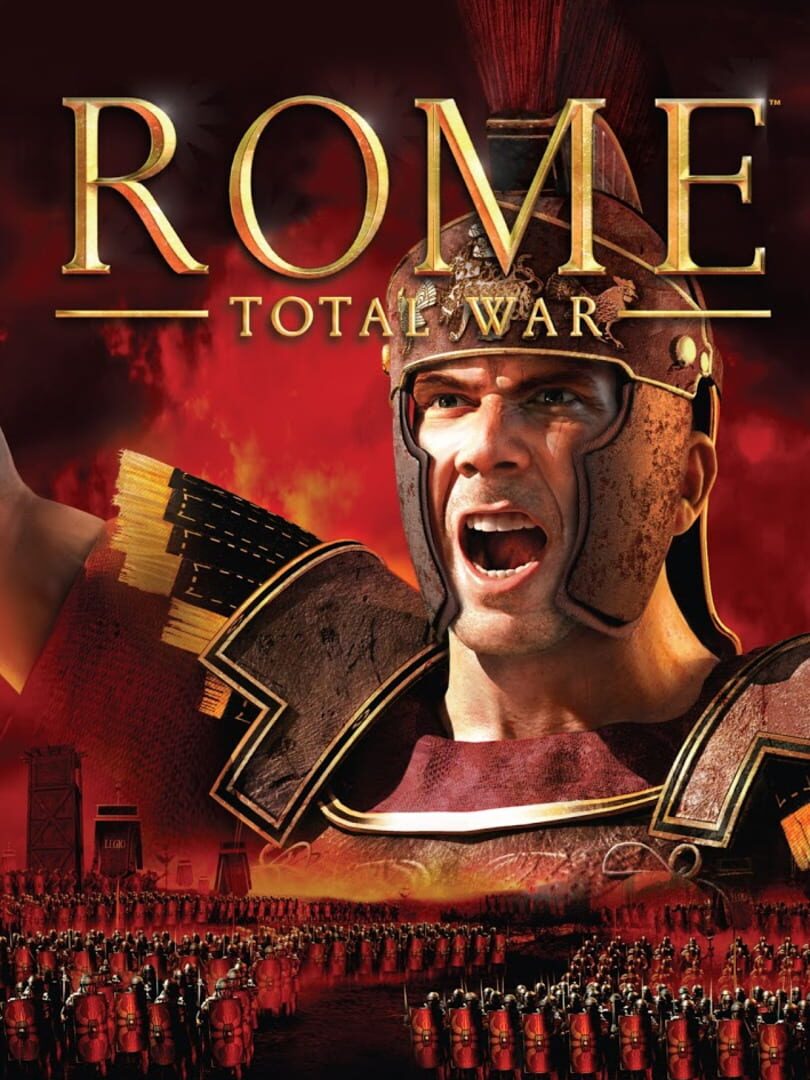
When we talk about 'educational' games, we usually mean boring math drills disguised as space adventures. Total War: Rome is the opposite: a genuinely thrilling game that happens to be incredibly educational. It places the player in the driver's seat of the Roman Republic, forcing them to navigate the same problems historical figures faced. Do you bribe the neighboring tribe? Do you build a temple to keep the plebeians from rioting? Or do you march your legions across the Alps and hope for the best?
Original vs. Remastered
If you're looking to get this for a kid in 2026, get the Remastered version. The 2004 original is a masterpiece, but the user interface is clunky by modern standards and it struggles on high-resolution monitors. The Remastered version cleans up the visuals, adds modern camera controls, and—most importantly—works on modern Windows, Mac, and even iPad.
The Violence Factor
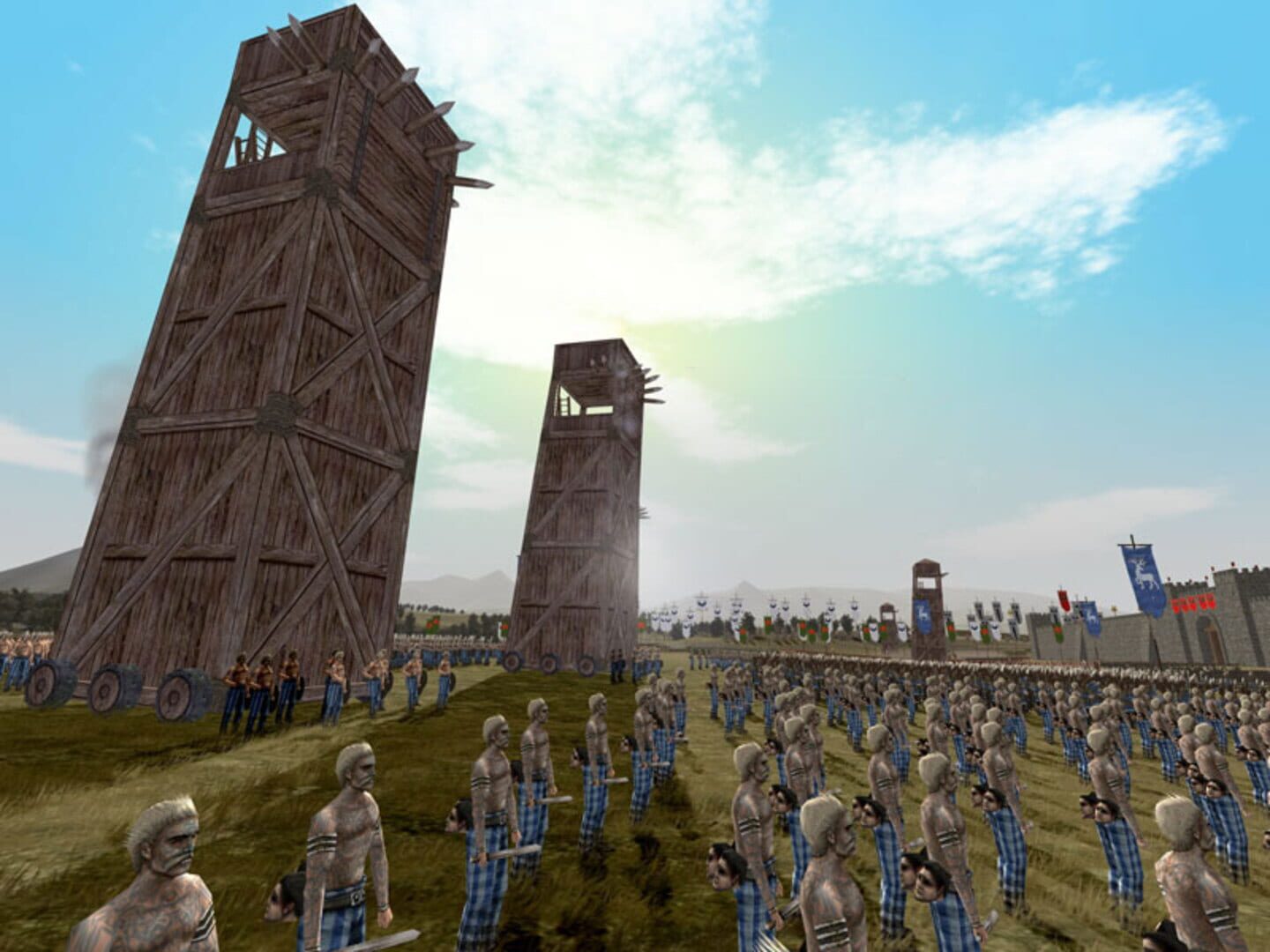
Let's be clear: you are commanding armies to kill other armies. However, the game treats this with a level of abstraction. You're moving units of 'Hastati' or 'Triarii' across a field. When they clash, men fall, but in the base settings, there isn't a focus on individual cruelty. It feels more like a complicated game of chess than a modern action game. If your kid can handle a PG-13 historical movie, they can handle this.
Why It Matters Today
In an era of 'free-to-play' games designed to trigger dopamine hits and credit card swipes, Total War: Rome stands as a monument to deep, intentional play. It rewards patience, study, and long-term planning. It's the kind of game a kid remembers ten years later—not because they 'unlocked a skin,' but because they finally figured out how to defend Rome against the Gauls.