The Summerhouse Legacy
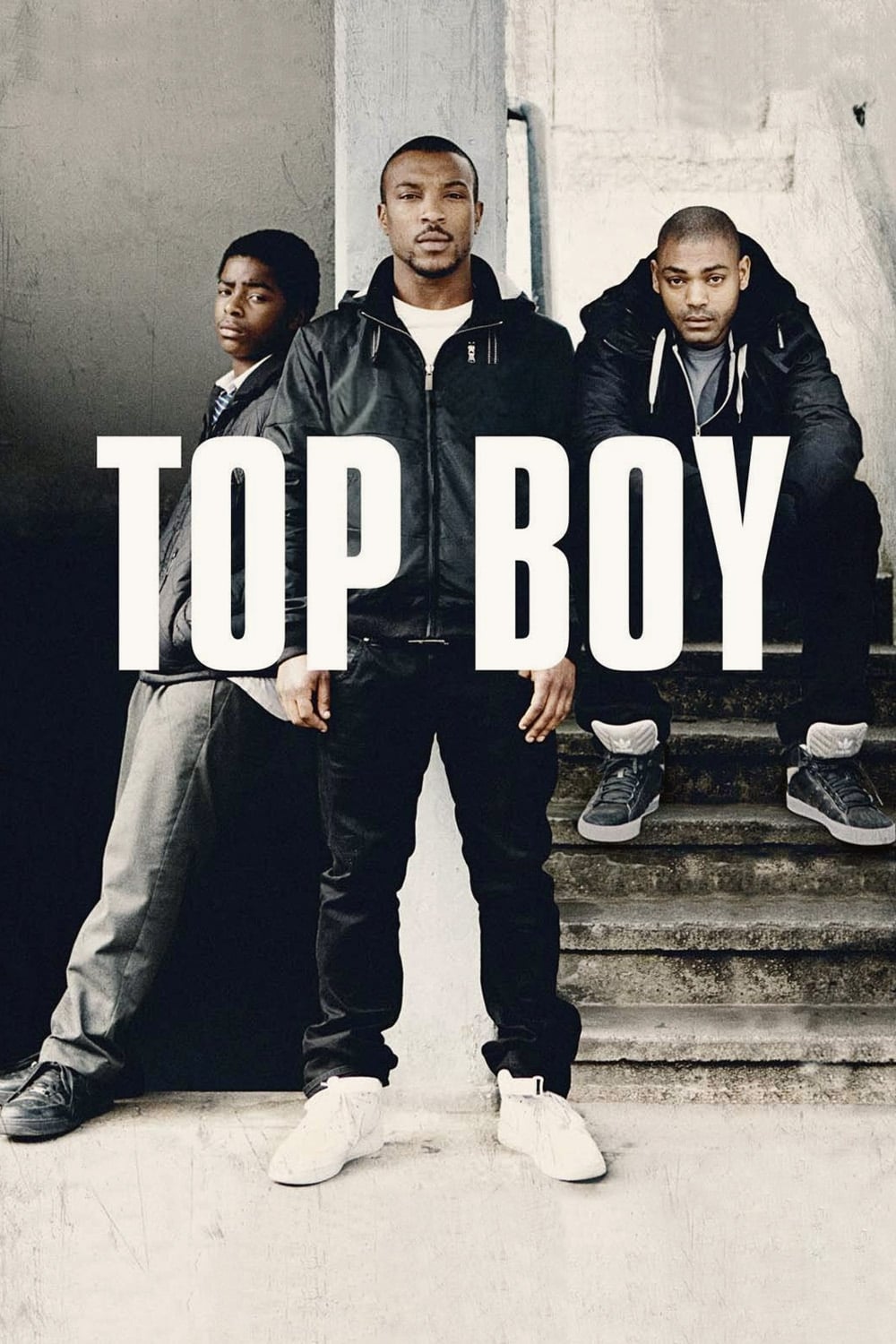
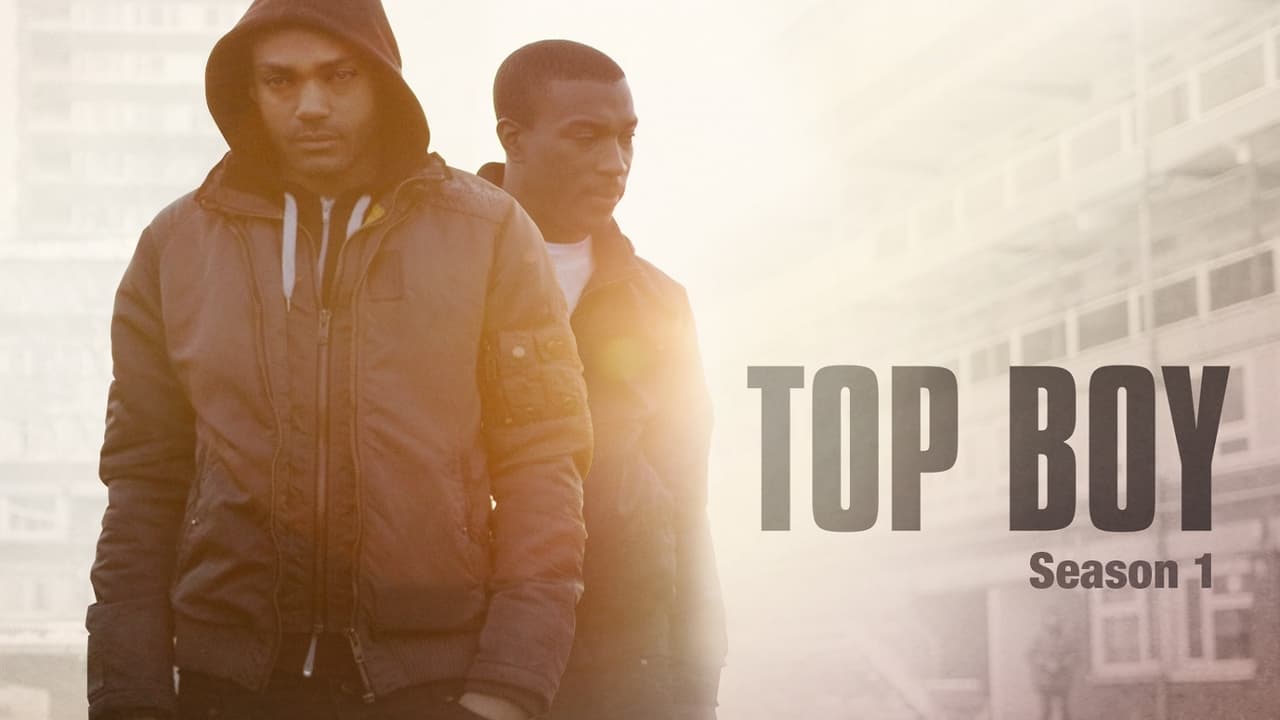
To understand Top Boy, you have to understand its history. It started on Channel 4 in the UK back in 2011, ran for two brilliant seasons, and was then unceremoniously cancelled. It took Drake—yes, that Drake—becoming a superfan and championing a revival on Netflix to bring it back. This history matters because the show grew up alongside its characters. The early seasons feel like a tight, intimate indie film, while the Netflix era scales up the production value and the stakes.
Why It Hits Different
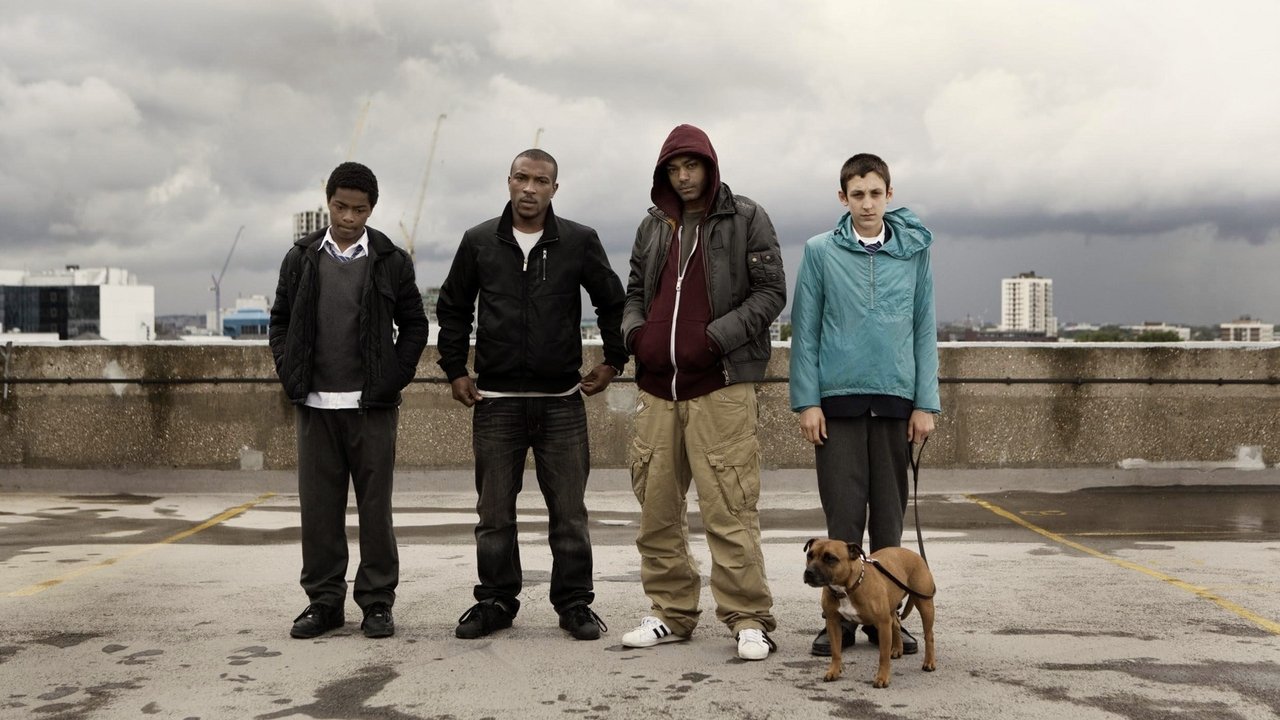
Unlike many American crime procedurals, Top Boy doesn't care about the cops. This is a story told entirely from the perspective of the 'road.' You see the logistics of the drug trade, the fear of the younger 'recruits,' and the weary exhaustion of the older bosses who can't find an exit strategy. It’s a show about real estate as much as it is about drugs; the 'Summerhouse' estate is a character in itself, representing both home and a cage.
The Sully and Dushane Dynamic
The heart of the show is the friction between Dushane and Sully. Dushane is the strategist, the one who wants to build an empire and move 'clean.' Sully is the loose cannon, driven by emotion and a different kind of code. Watching their friendship dissolve and reform over a decade is some of the best character work in modern TV.
For parents, the most difficult part to watch isn't the gunplay; it's the 'youngers.' The show excels at showing how 12 and 13-year-olds get groomed into the trade. It’s a stark, necessary look at how the environment shapes the next generation before they even have a chance to decide who they want to be.