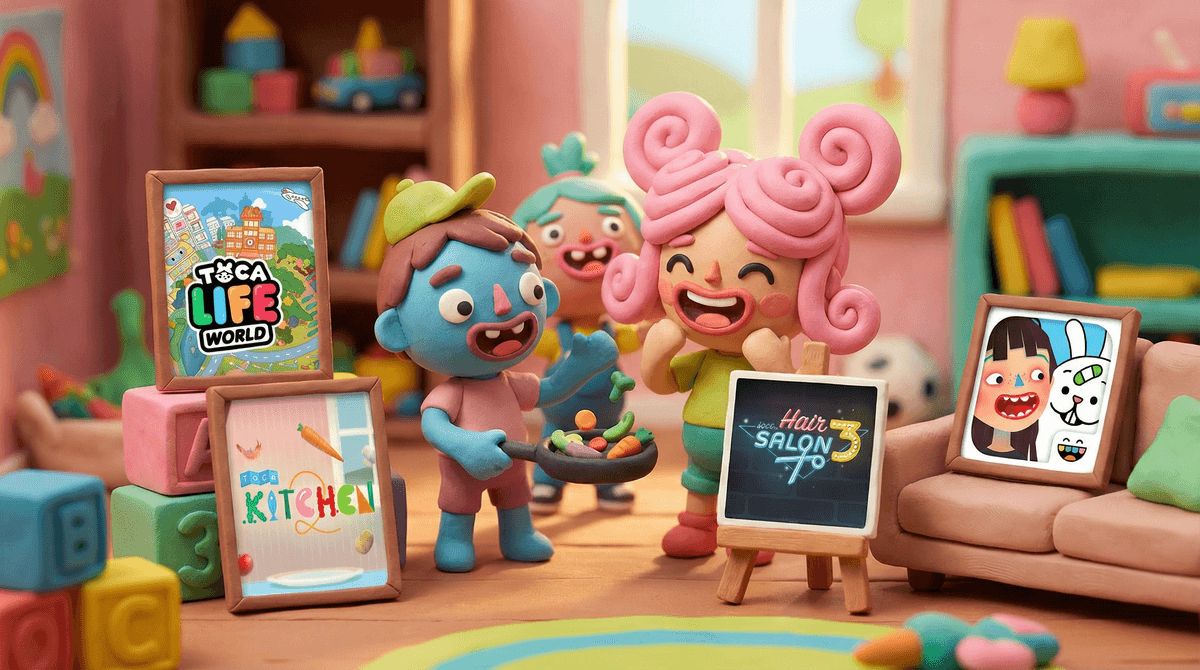
A sandbox, not a scoreboard
The most important thing to understand about Toca Boca Hair Salon is that it isn't a game you win. There are no high scores, no timers, and no "game over" screens. It is a digital toy box. This is a crucial distinction because it removes the performance anxiety that often creeps into kids' apps.
In most "makeover" games, you’re trying to match a specific look to earn stars. Here, if you want to give a character a neon green beard and then shave it all off, the game lets you. That lack of judgment is exactly why kids find it so relaxing. It’s the digital equivalent of a bucket of LEGOs or a fresh tub of playdough. If you’re wondering Is Toca Boca Safe for Kids?, the answer is a solid yes, provided you're okay with the "buy-this-now" friction of their business model.
The subscription friction
The biggest hurdle isn't the gameplay; it's the paywall. The app is free to download, but it’s a teaser. You get a couple of characters and basic tools, but the "cool stuff"—the unicorn hair, the wilder outfits, the full roster of characters—is locked behind a subscription or individual packs.
If you already use other apps from this studio, the Piknik subscription is a great deal. If you don't, be prepared for the "I want that" conversation. The app is very good at showing kids exactly what they're missing. It’s not predatory in the way some "free" games are, but it is persistent.
The "reset" is the best part
The shampoo station is secretly the most important mechanic in the game. In real life, if a kid cuts their own bangs or dyes the dog purple, that’s a permanent disaster. In Toca Boca Hair Salon, a quick scrub with the virtual sponge resets everything to zero.
This creates a safe space for experimentation. Kids can test out "ugly" combinations or "weird" styles just to see what happens. It makes for a great creative antidote to "Dress to Impress" drama because there are no judges and no social pressure.
Beyond the hair
While the name says "Hair Salon," the face paint and style stations are where the real personality comes out. The characters are diverse and react with funny facial expressions to what you’re doing. If you pull their hair, they look surprised. If you give them a look they like, they smile. These small reactive details make the characters feel like digital dolls rather than static images.
If your kid is aging out of basic "sorting" games but isn't quite ready for the complexity (or the toxicity) of social gaming platforms, this is a perfect middle ground. It’s pure, silly, and entirely under their control.