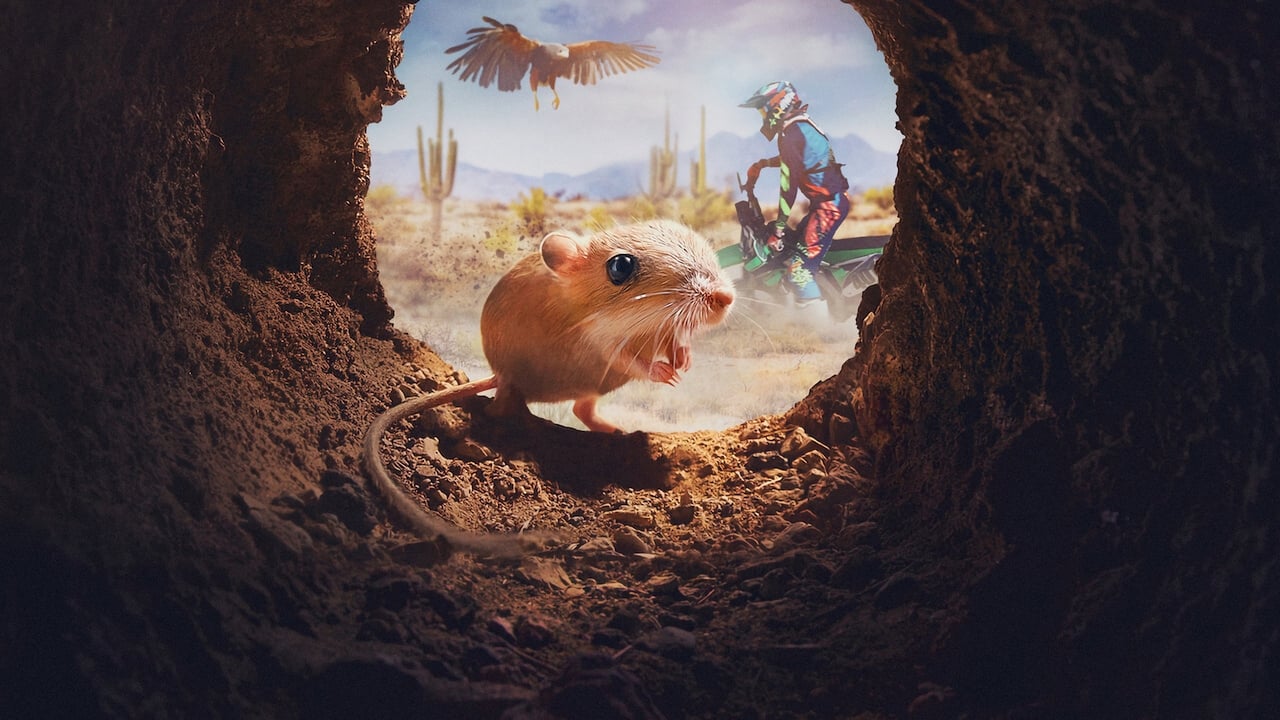
The nature show that isn't
If you sit down expecting the quiet, observational majesty of a traditional wildlife film, you’re going to have a bad time. Tiny Creatures is less about biology and more about storytelling in the most aggressive sense of the word. It uses the visual language of a prestige documentary—slow-motion sweeps, incredible macro photography, and high-stakes music—but applies it to scenarios that feel more like a scripted action movie.
The 5.1 IMDb rating is the internet’s way of saying: "We see what you did there, and we’re not buying it." Most of that frustration comes from the fact that the show doesn't lead with its chin about being a dramatization. It presents itself as a look into "hidden worlds," but those worlds are clearly constructed on a soundstage. For a lot of viewers, that feels disingenuous. If your family values the "truth" of a nature doc, this will likely grate on your nerves within ten minutes.
High-octane peril for the playground set
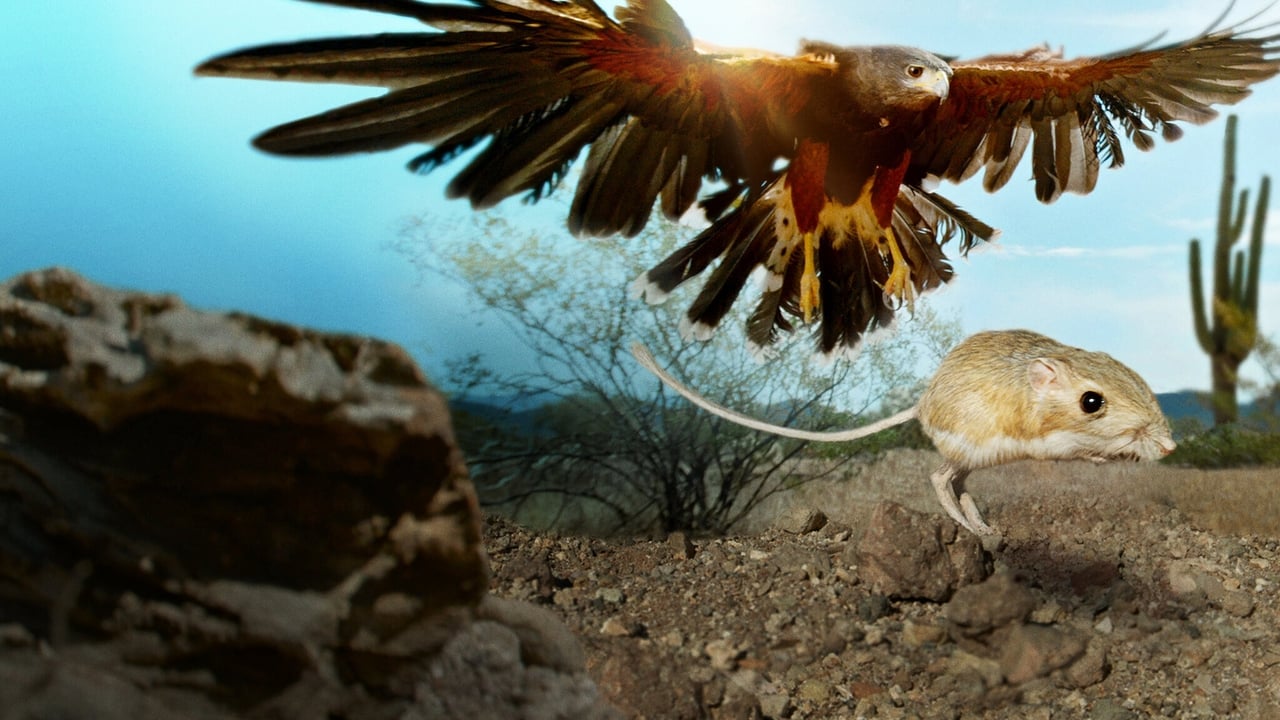
Because the show leans so hard into the "drama" genre, the tension is constant. Every episode is built around a life-or-death struggle. While the cinematography is objectively stunning, the constant threat of a predator's talons or a snake's fangs can be exhausting for younger viewers.
If you have a kid who is particularly sensitive to animals in danger, you might want to check out our guide on when nature shows get too real for young kids. This show lives in that "eco-horror" space where the music tells you to be terrified for the protagonist every thirty seconds. It’s effective, but it’s a lot of adrenaline for a Tuesday afternoon.
The "media literacy" silver lining
If you do decide to hit play, don't treat this as a science lesson. Treat it as a film school masterclass. This is a perfect opportunity to talk to your kids about how movies are made. You can point out the lighting, the way the sound effects are clearly added in a studio (the "crunch" of a leaf shouldn't sound like a bone breaking), and how the camera always happens to be in the perfect spot.
Instead of letting them take the "survival stories" at face value, ask them why they think the filmmakers chose that specific music or why the "villain" predator looks so scary. If they find themselves actually curious about the animals once the credits roll, you're better off pivoting to nature documentaries and educational content that prioritizes actual ecology over manufactured cliffhangers.
If your kid liked Planet Earth
They might actually find this frustrating. Kids who are genuine nature buffs often enjoy the "how did they get that shot?" behind-the-scenes segments. In Tiny Creatures, the answer to that question is usually "they built a set and put the animals together." For a kid who respects the reality of the wild, that realization can feel like a bit of a betrayal.
However, if your kid finds traditional docs boring and wants something that moves at the pace of a cartoon, this might be the only "nature" content they’ll actually sit through. Just be prepared for the inevitable questions about whether a hamster can really outrun a rattlesnake in a perfectly lit tunnel. (Spoiler: it’s unlikely.)