The "Second Year" energy
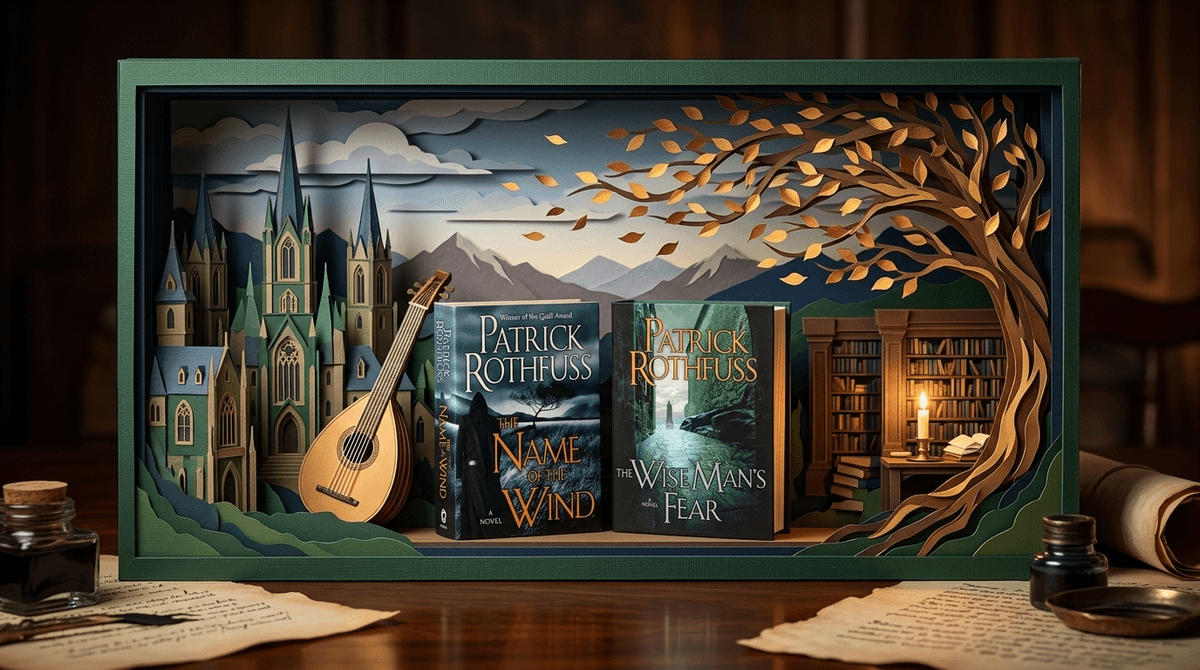
If the first book was a tight, focused story about a kid struggling to pay tuition, The Wise Man's Fear is the sprawling, messy, 1,000-page road trip. It broadens the world significantly, moving away from the University and into the courts of the powerful and the camps of mercenaries.
For a reader who loved the academic stakes of the first book, the middle third of this sequel can feel like a massive detour. It’s essentially a series of side quests. But for the right kid—the one who wants to live in a world rather than just finish a plot—this is the good stuff. It’s less about "what happens next" and more about "how does this world actually function?"
If your teen is coming off a binge of The Name of the Wind, they are already hooked on the voice. Just know that the pacing here is much more deliberate. It’s a book to be lived in, not raced through.
The Felurian pivot
We have to talk about the Fae section. About two-thirds of the way through, Kvothe enters a magical realm and spends a significant amount of page time with a sex-goddess archetype. While the prose stays poetic, the subject matter is undeniably adult.
This is the specific moment where the series jumps from "advanced YA" to "Adult Fantasy." It isn't just the content; it’s the way the book treats Kvothe’s burgeoning ego. He returns from this section with a level of confidence (and a set of skills) that can make him feel like a bit of a superhero. Some readers find this transition jarring or even a bit cringe-inducing. If your kid is sensitive to "Mary Sue" characters who are suddenly good at everything, they might roll their eyes through these chapters.
Why it sticks for the STEM and Band kids
The reason this book has a 92 Enriching score isn't just the vocabulary. It’s the way Patrick Rothfuss treats competence.
Most fantasy magic is "wiggle your fingers and wish." Rothfuss treats magic like a branch of physics called Sympathy. You need a source of energy, a link between objects, and a firm grasp of mathematics. It appeals deeply to kids who like to know how things work.
Similarly, the way the book treats music is rare. Kvothe isn't just "good" at the lute; he practices until his fingers bleed, worries about the cost of replacement strings, and uses performance as a survival strategy. It’s a rare epic fantasy that gives as much weight to a well-played song as it does to a sword fight.
The 2026 reality check
We are now fifteen years out from the release of this book. If you hand this to your teen today, you are essentially handing them a cliffhanger that might never be resolved.
The "Book 3" wait is legendary in the fantasy community. Before they get 800 pages deep and start Googling the release date for The Doors of Stone, have a quick chat about the fact that the story is currently unfinished. Some readers find the journey worth it regardless; others will be frustrated that they've invested forty hours of reading into a story that stops mid-sentence. If they need a completed arc to feel satisfied, you might want to point them toward a finished trilogy instead.