
The U.S. and the Holocaust

The U.S. and the Holocaust

show

TV-14, 2022

WISE
72%

WISE Score

100

Avg. Tomatometer

Ken Burns forces Americans to look in the mirror during the Holocaust—and we don't look great.

IMDb8.7
RT Critics100%
MC96
Common Sense Media
Where to Watch
Loading streaming options...
Screenwise Verdict

This is not a fun Friday night watch, and that's exactly the point.

Ken Burns has created an essential but challenging documentary that forces viewers to confront uncomfortable truths: America's immigration restrictions, racism, and eugenics movement both influenced Nazi ideology and prevented us from saving more Jewish lives during the Holocaust. The critical acclaim (100% RT critics, 96 Metacritic) reflects its importance and quality.

For families with high schoolers studying WWII or interested in serious history, this is invaluable—but only if your teen has the emotional maturity to process genocide, archival footage of concentration camps, and the moral complexity of American complicity. This isn't 'America the hero' history; it's 'America the flawed democracy that could have done more' history.

Watch it together, pause frequently to discuss, and be prepared for heavy conversations about moral responsibility, racism, and what it means to be a bystander to injustice. This is the kind of documentary that should be shown in every high school, but it requires adult guidance and processing time.

Not appropriate for younger teens or anyone looking for lighter content. But for mature viewers ready to engage with difficult history? This is exactly what enriching media should be.
Age Fit

This is for mature high schoolers (14+) and adults who can handle disturbing historical content about genocide and want to engage seriously with America's complicated role during the Holocaust. It's not entertainment—it's important, difficult education that requires emotional readiness.

WISE Breakdown
Wholesome
65

This is a serious historical documentary that handles difficult subject matter with appropriate gravity and respect. It models ethical reflection and confronts uncomfortable truths about American complicity and inaction during the Holocaust. However, the content is inherently disturbing—genocide, racism, antisemitism—which makes it emotionally challenging rather than 'wholesome' in the traditional sense. The tone is measured and educational rather than exploitative, but this isn't feel-good content.

Imaginative
72

Ken Burns documentaries are known for their creative storytelling techniques—archival footage, first-person accounts, compelling narrative structure. This series draws unexpected connections between American eugenics, Jim Crow laws, and Nazi ideology, inviting viewers to see history through a fresh, critical lens. It challenges conventional narratives about American exceptionalism during WWII. However, it's a documentary, not a creative fiction work, so imagination is expressed through historical analysis rather than world-building.

Safe
45

Common Sense Media rates this for 14+, and that's appropriate. The documentary deals with genocide, includes archival footage of concentration camps, discusses mass murder, racism, and antisemitism extensively. While it's not gratuitously graphic, Holocaust documentaries inherently contain deeply disturbing historical content—images of emaciated prisoners, descriptions of systematic murder, and the moral horror of inaction. This is not something a child should stumble upon unexpectedly. Parents need to prepare teens for what they'll see and discuss it together.

Enriching
95

This is exceptionally enriching content with critical scores (100% RT critics, 96 Metacritic, 8.7 IMDb). It provides essential historical education about the Holocaust while forcing Americans to confront uncomfortable truths about our own history of racism, eugenics, and immigration restrictions that influenced Nazi policy and prevented us from saving more lives. It builds empathy, critical thinking about complicity and moral responsibility, and understanding of how democratic societies can fail vulnerable populations. This is the kind of documentary that changes how teens understand history and current events.

Parent Info

Why It Might Be Great

  • Critically acclaimed (100% RT, 96 Metacritic) Ken Burns documentary that connects American racism and eugenics to Nazi ideology in ways most history classes skip
  • Essential viewing for understanding how democracies fail vulnerable populations and why 'never again' requires active moral courage, not just good intentions
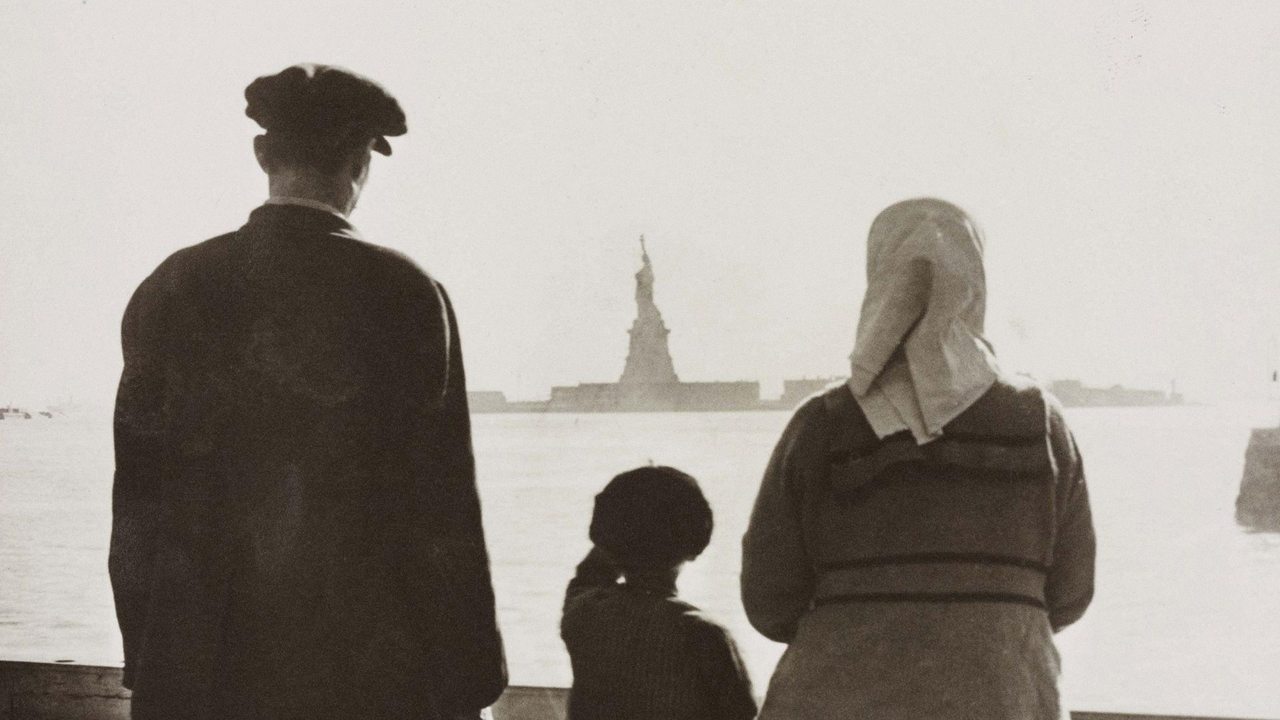
  • Challenges the comfortable narrative that America was purely heroic during WWII by examining immigration restrictions and inaction that cost lives
  • Uses first-person accounts and archival footage to make abstract history viscerally real and personally relevant to modern teens
  • Develops critical thinking about complicity, moral responsibility, and how ordinary people respond (or don't) to injustice

What to Watch For

  • This is heavy, disturbing content about genocide—archival Holocaust footage, discussions of mass murder, systematic dehumanization. Not for sensitive viewers or young teens without preparation
  • Six hours long across three episodes, so this is a commitment, not a quick watch
  • The documentary specifically examines American failures and complicity, which can be uncomfortable for viewers who prefer uncomplicated patriotic narratives
  • Requires emotional maturity to process—best watched with a parent or in an educational setting where discussion is possible

Conversation Starters

  • "The documentary shows how American immigration restrictions prevented Jewish refugees from finding safety. If you were a teenager in 1938 and knew what was happening, what would you have wanted your government to do?"
  • "How did American eugenics laws and Jim Crow segregation influence Nazi racial policies? What does that tell us about our own history?"
  • "Why do you think so many Americans didn't want to help Jewish refugees even after knowing about the concentration camps? What would you have done?"
  • "The film shows how ordinary people became complicit in genocide through small acts of looking away. What are modern parallels where people look away from injustice?"
  • "What responsibilities do we have when we see our government or society treating groups of people as 'less than'?"
Stills
The U.S. and the Holocaust — still 1
The U.S. and the Holocaust — still 2
The U.S. and the Holocaust — still 3
The U.S. and the Holocaust — still 4

Ask Anything

Get a personalized guide on any topic

Related Guides