A Different Kind of Hero
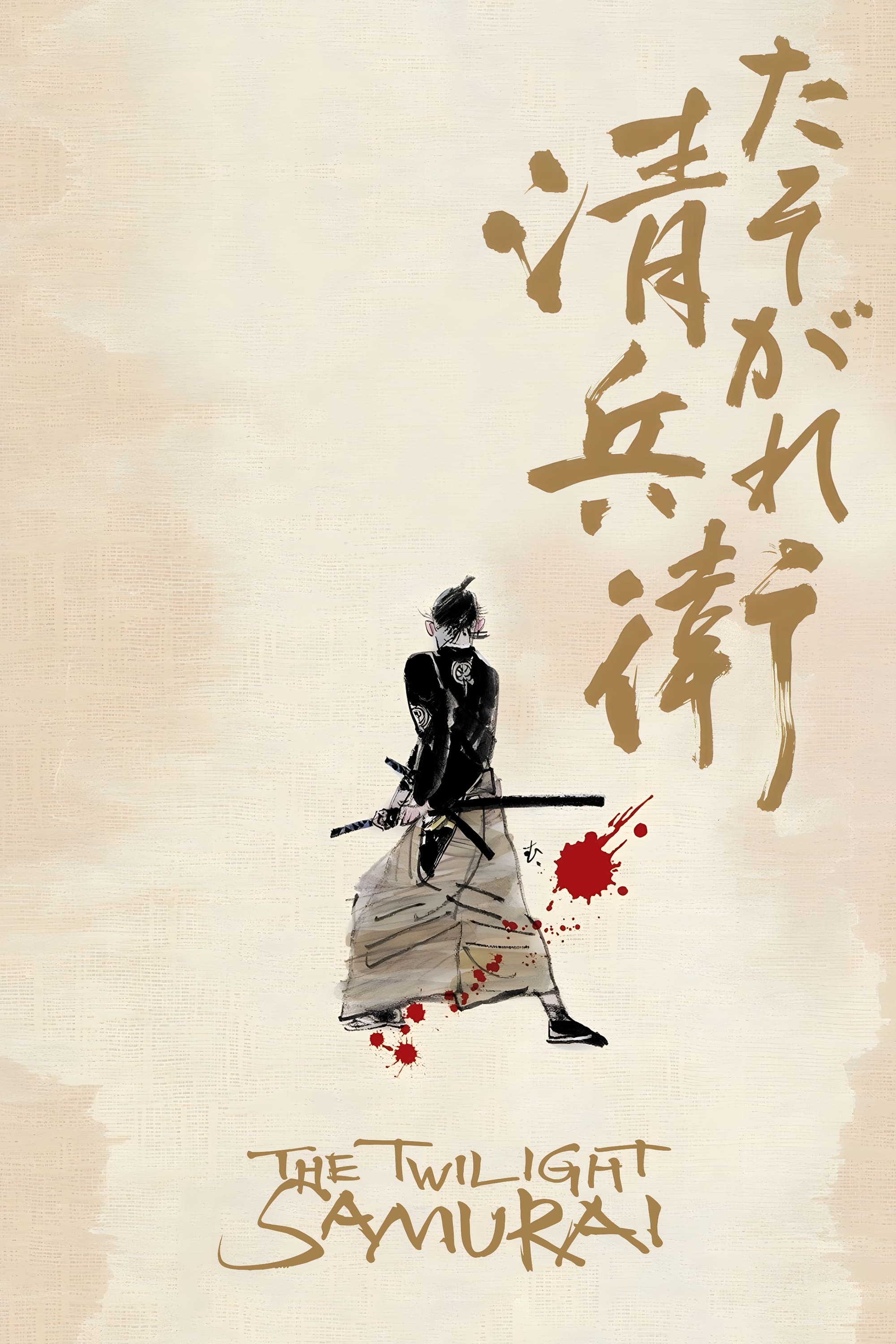
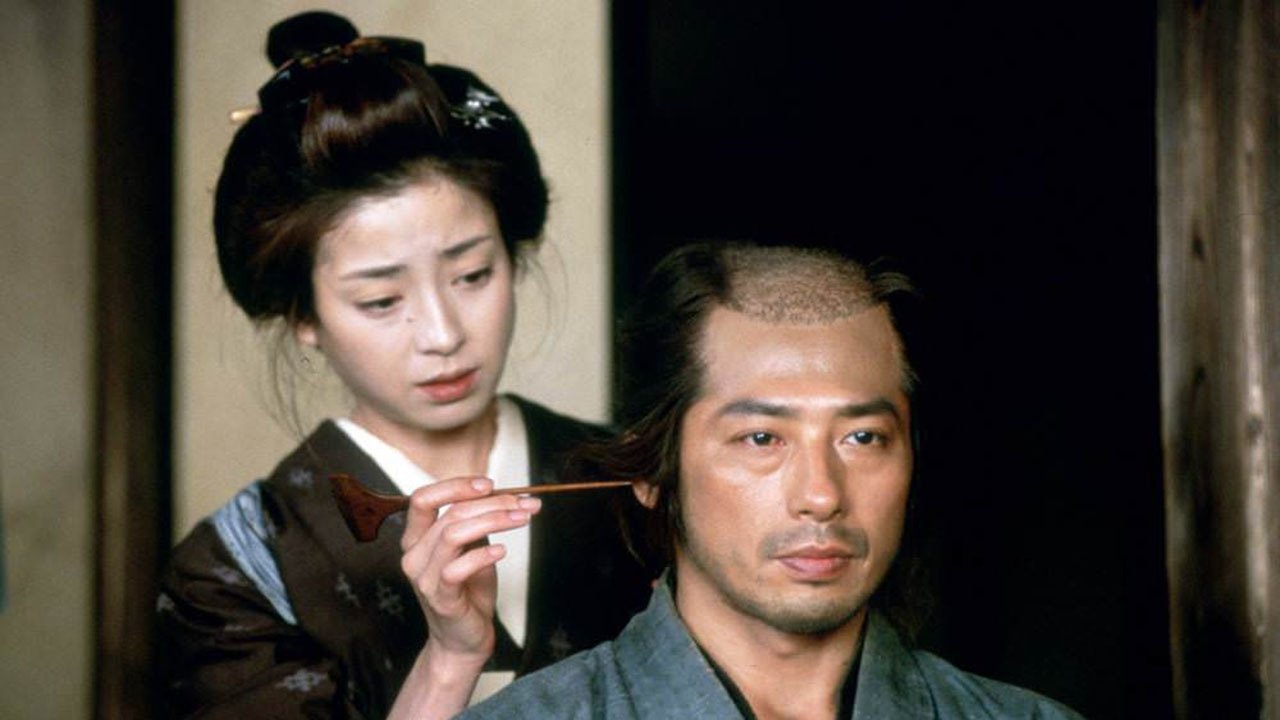
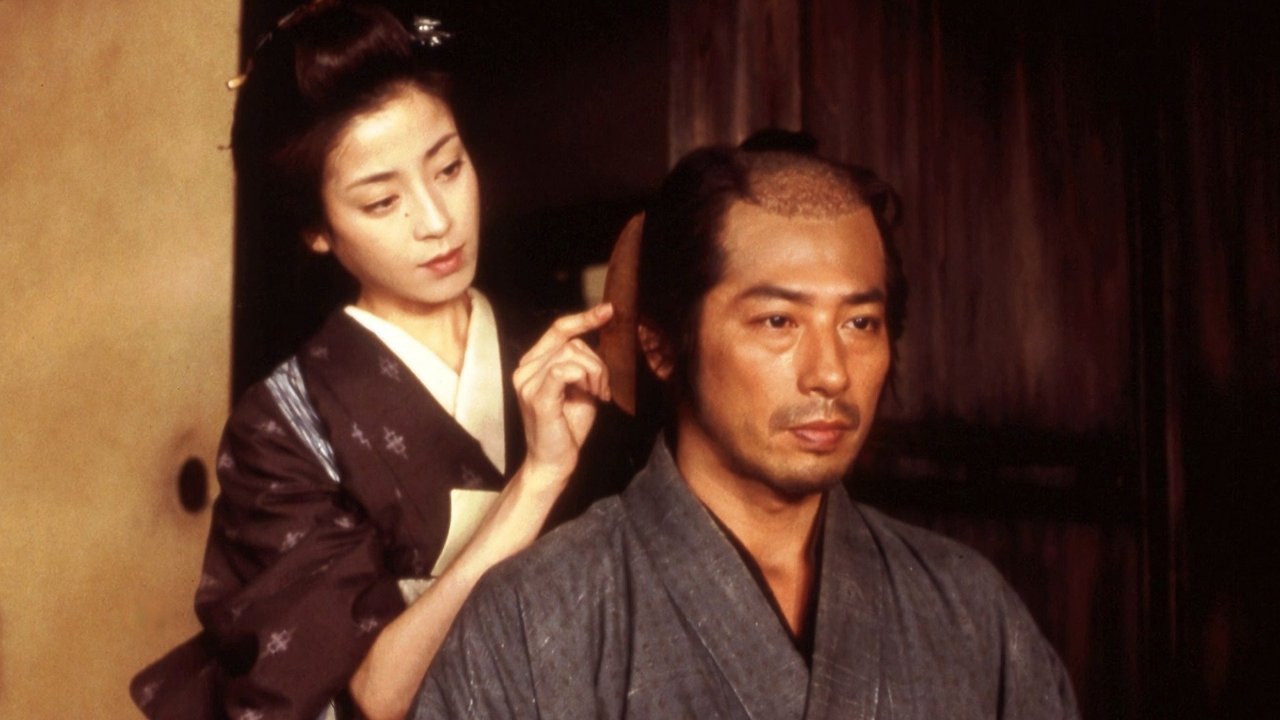
Most samurai movies are about the glory of the blade. This is about the misery of the paycheck. Seibei Iguchi is a widower who sells his sword to pay for his wife's funeral and spends his evenings making insect cages to earn a few extra pennies. It’s a grounded, almost tactile look at what 'honor' actually looks like when you're poor and the world is changing around you.
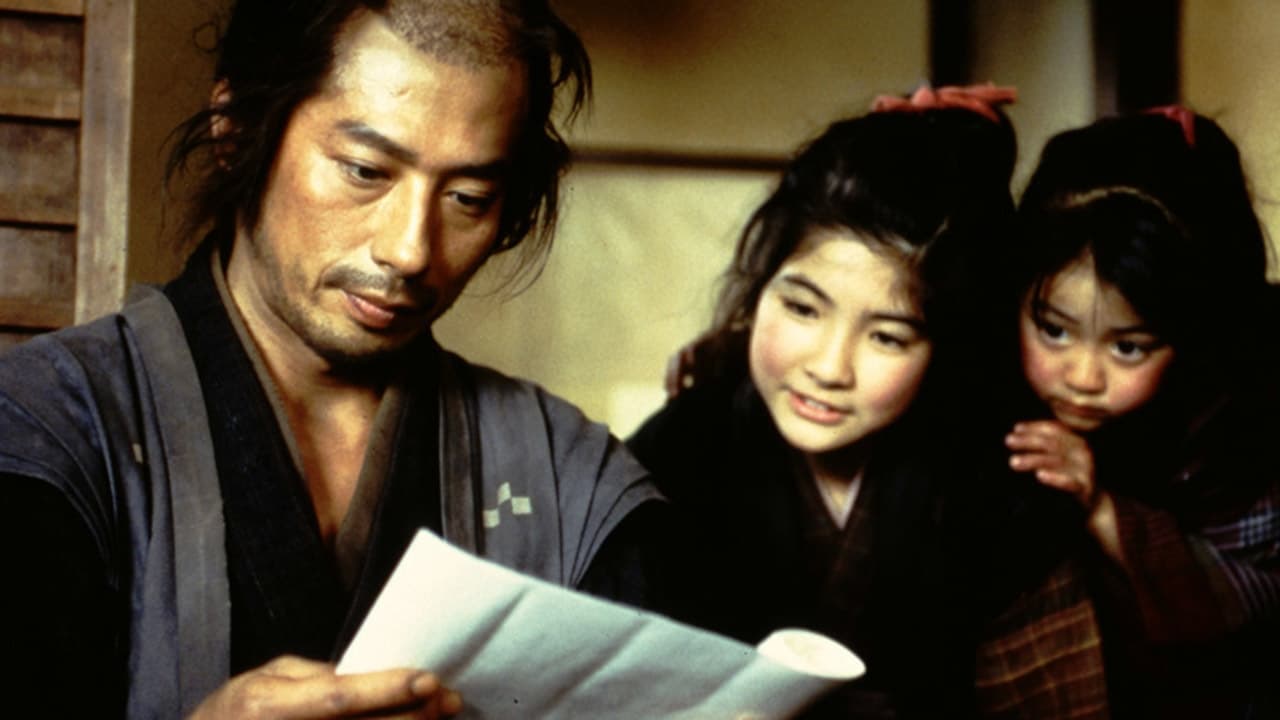
Seibei is a character defined by his absences: he’s absent from the bars, absent from the political maneuvering, and absent from the typical bravado of his class. Instead, he’s present for his children. The scenes of him teaching his daughters are some of the most genuinely wholesome moments in cinema, emphasizing that literacy and character are more important than martial prowess.
The 'Boredom' Factor
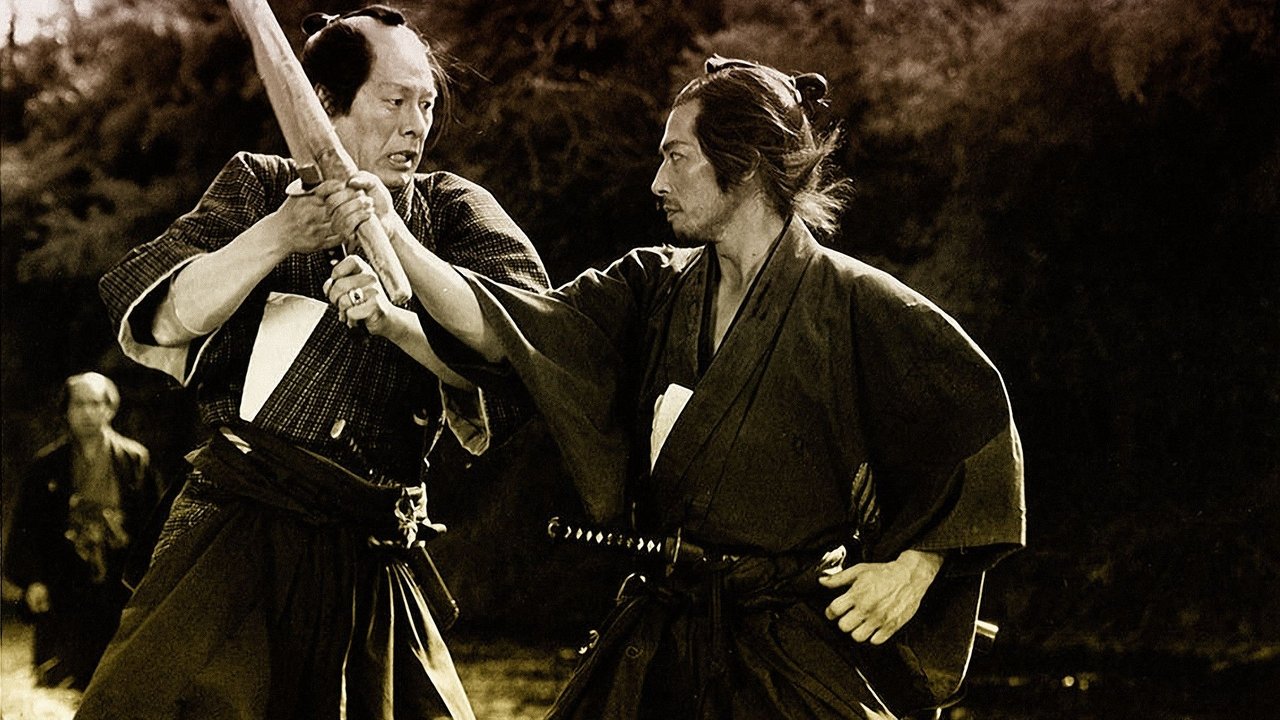
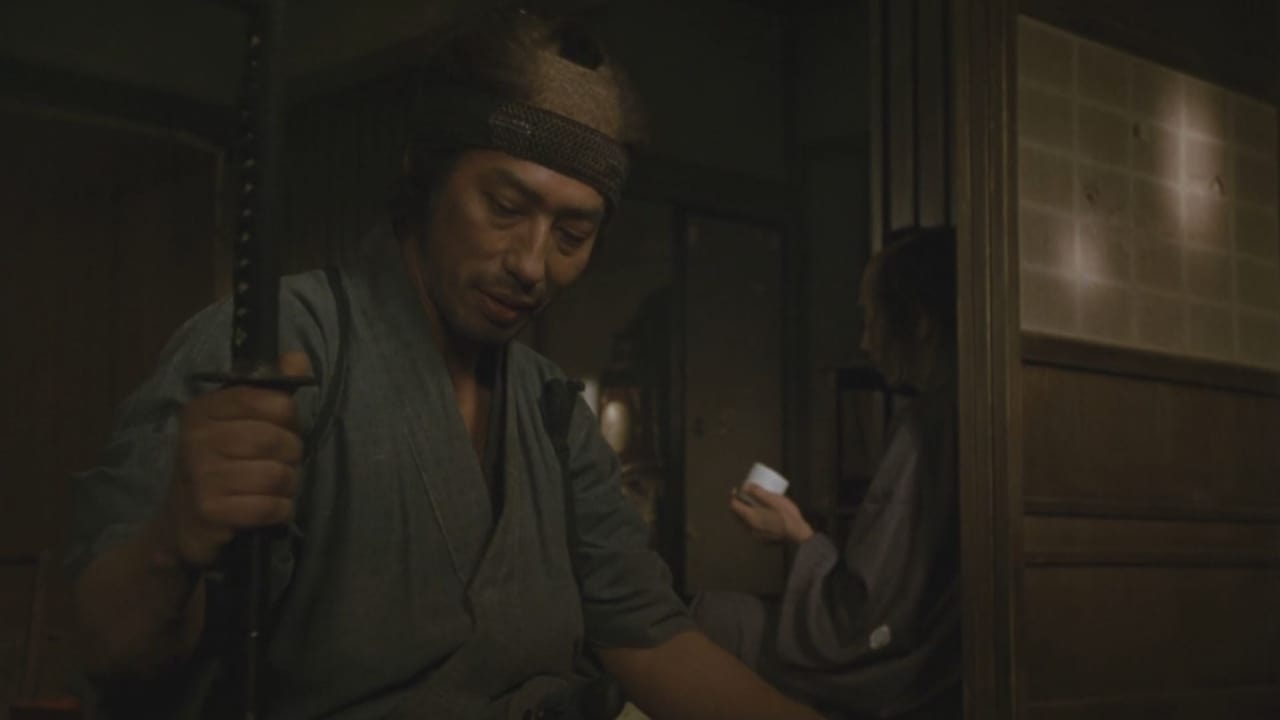
Let's be real: if your kid needs a battle every ten minutes, they will struggle with this. It is a slow, methodical drama. But that slow build is exactly what makes the climax work. The final confrontation isn't a flashy dance in a bamboo forest; it’s a terrifying, awkward struggle in a dark, cramped house. It feels real in a way most action movies never do because you actually care whether this father makes it home to his kids.
For families who want to move beyond the 'brain rot' of typical blockbusters, this is a perfect entry point into world cinema. It's a story that values empathy over ego, and in 2026, that feels like a message that hasn't aged a day.