The Meta-Fiction Hook
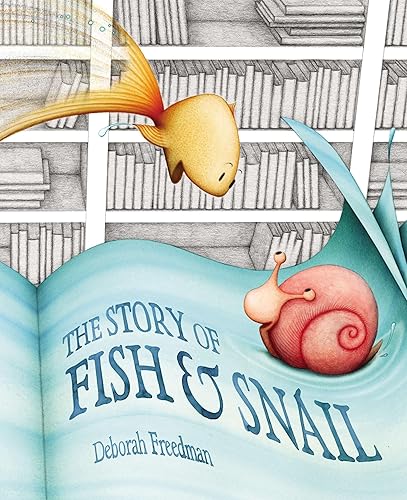
Kids usually figure out the "fourth wall" earlier than we think. They love the moment they realize a book knows it’s a book. While titles like The Book with No Pictures go for the slapstick laugh, Deborah Freedman uses the meta-narrative to do something more sophisticated. By making the pages themselves the "home" for Fish and Snail, the act of turning a page becomes a literal leap into the unknown.
If your child is the type who needs to know exactly what’s happening next before they agree to leave the house, they will see themselves in Snail. The friction here isn't just about a disagreement; it’s about the anxiety of leaving a controlled environment. When Fish tries to drag Snail into a pirate story, Snail’s defense mechanism is to retreat into "pretending to be kittens." It’s a pitch-perfect depiction of how kids use imaginative play to stall or hide from things that feel too big.
Why the Conflict Hits Different
Most friendship books for the preschool set follow a predictable path: Friend A wants a toy, Friend B has the toy, they learn to share. The Story of Fish & Snail is more about temperamental compatibility.
- The Fish Energy: High-octane, story-driven, slightly pushy, and easily bored by the familiar.
- The Snail Energy: Content, routine-oriented, and deeply intimidated by "grand" adventures.
The "climax" of the book involves a genuine blow-up. Fish calls Snail’s kitten game boring; Snail tells Fish to go away. It’s a short, sharp exchange that mirrors the sudden, intense micro-fights kids have on playdates. The resolution doesn't require Snail to suddenly become a brave pirate; it just requires Fish to acknowledge that Snail’s comfort zone matters, too. It’s a great way to talk about boundaries without using the word "boundaries."
If Your Kid Liked...
If you’ve already cycled through every Elephant & Piggie book and need something with a bit more visual "mood," this is your move. It has that same duo-dynamic but trades Mo Willems' minimalist comedy for a lush, painterly style that feels more like a "big kid" book.
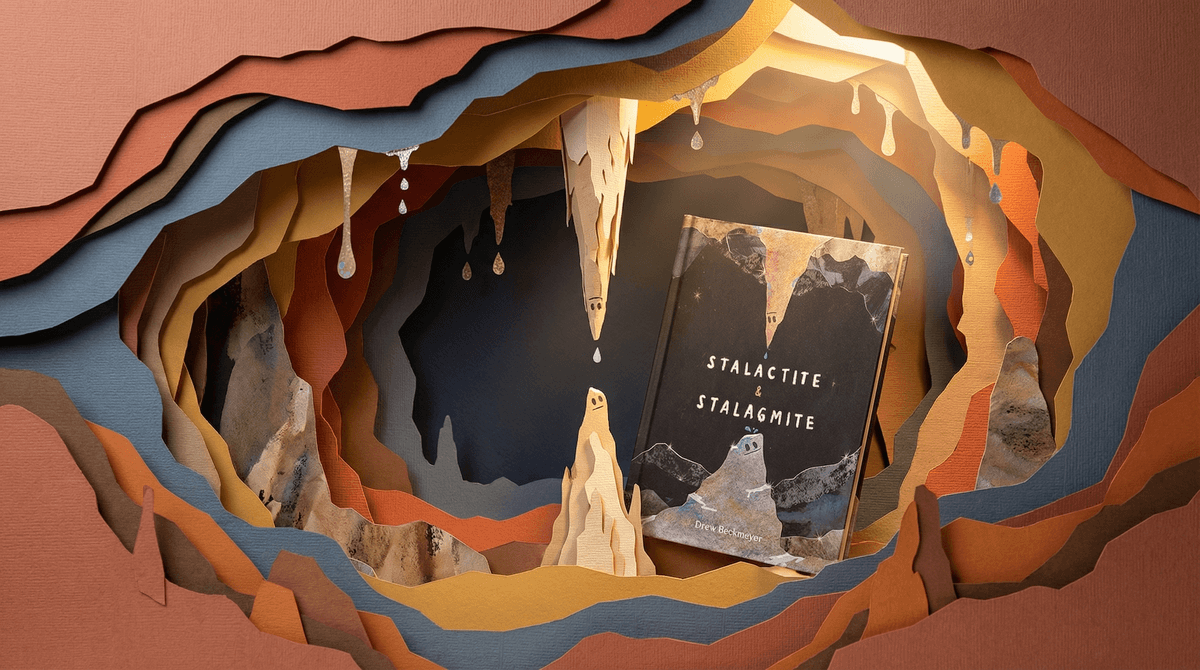
For parents who appreciate books that use their physical format to teach a lesson, this pairs well with why Drew Beckmeyer's Stalactite & Stalagmite is a cave classic. Both books use the concept of "place"—whether it's the inside of a book or the deep time of a cave—to help kids wrap their heads around perspective and change.
The Best Way to Read It
This is a "performance" book. Because the dialogue is snappier than the narration, you can really lean into the voices. Give Fish a frantic, "you gotta see this" energy and let Snail be the voice of calm (and eventual indignation).
The real magic happens in the transitions. As Fish "jumps" between books, the art style shifts. Pointing out how the background changes from the stark white of Snail’s "safe" book to the chaotic, colorful world of the pirates helps a 3-year-old visualize what "new experiences" actually look like. It’s a visual shorthand for the feeling of being overwhelmed, and it makes the eventual compromise feel earned.