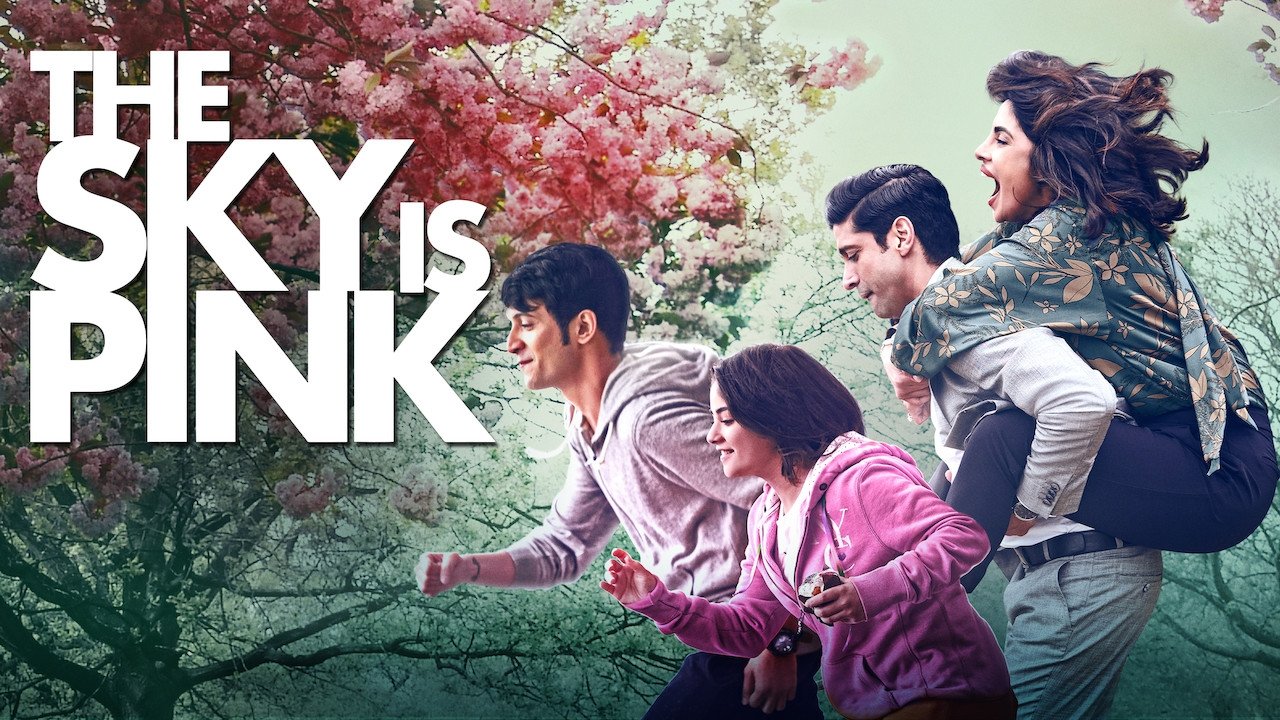
The "Dead Girl" narrator trope actually works
The biggest hurdle for most viewers—especially teens who have seen every The Fault in Our Stars knockoff—is the narration. Having a deceased teenager narrate her parents' love story from the afterlife sounds like a recipe for a cringe-fest. But the script manages to pull it off by making Aisha funny and unsentimental. She isn’t a saint; she’s a teenager who is obsessed with her parents' sex lives and their petty arguments.
This framing shifts the movie away from being a "sick kid" tragedy and turns it into a domestic epic. If your kid is into the "sad girl" aesthetic of 2010s YA novels, they will recognize the beats, but the cultural specificity of a modern Indian family adds a layer of freshness that keeps it from feeling like a retread.
The critic vs. audience divide
There is a massive gap between the Metacritic score (55) and the Rotten Tomatoes audience score (91%). Critics tended to find the movie manipulative or too long, while audiences clearly didn't care about the runtime because they were too busy crying.
The critics aren't entirely wrong—the movie is designed to wreck you. It uses every tool in the shed, from swelling music to lingering shots of grief, to make sure you're reaching for the Kleenex. However, if you're watching this as a family, that "manipulation" is exactly what makes it a bonding experience. It’s the kind of movie that feels like a safe space to have a big, messy cry together. Just be aware that at 140 minutes, it’s a marathon. If you start this at 9:00 PM, you aren't finishing until nearly midnight.
The Priyanka Chopra Jonas factor
A huge reason this movie works is the chemistry between the leads. They don't play "movie parents"; they play people who are visibly exhausted, occasionally furious with each other, and deeply in love. For fans who only know her from American action roles, seeing the range of Priyanka Chopra Jonas here is a reminder of why she’s a global star. She carries the heavy lifting of the film's second half, moving from a young, bubbly mother to a woman hardened by decades of medical trauma.
If they liked The Fault in Our Stars or Wonder
This is the natural "next step" for kids who grew up on those films. It deals with similar themes of terminal illness but adds the complexity of a 25-year timeline. While The Fault in Our Stars focuses on the romance between the kids, The Sky is Pink focuses on what happens to the people who are left behind.
It’s a more "grown-up" version of the genre. It asks tough questions: How do you keep a marriage together when your child is dying? How do you find humor in a hospital room? If your teen is starting to move away from pure YA content and toward more sophisticated dramas, this is a perfect bridge. It’s safe enough for a 13-year-old but mature enough that you won't feel like you're watching a "kids' movie."