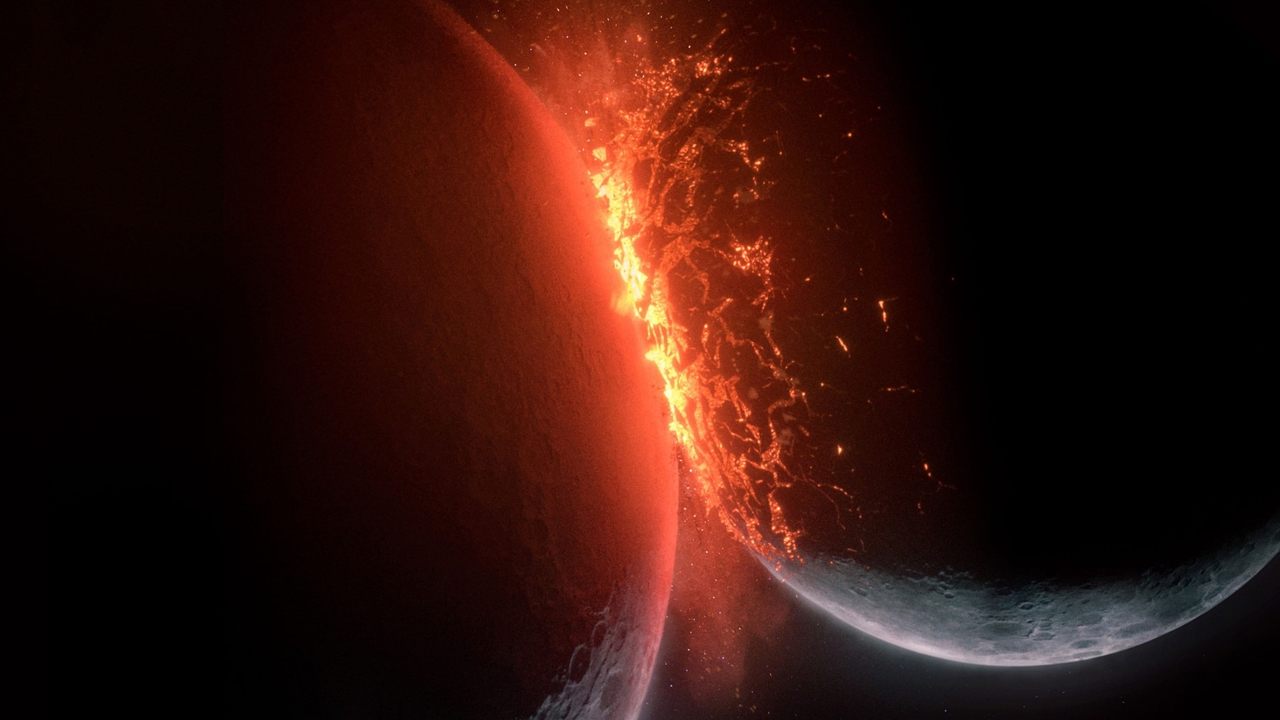
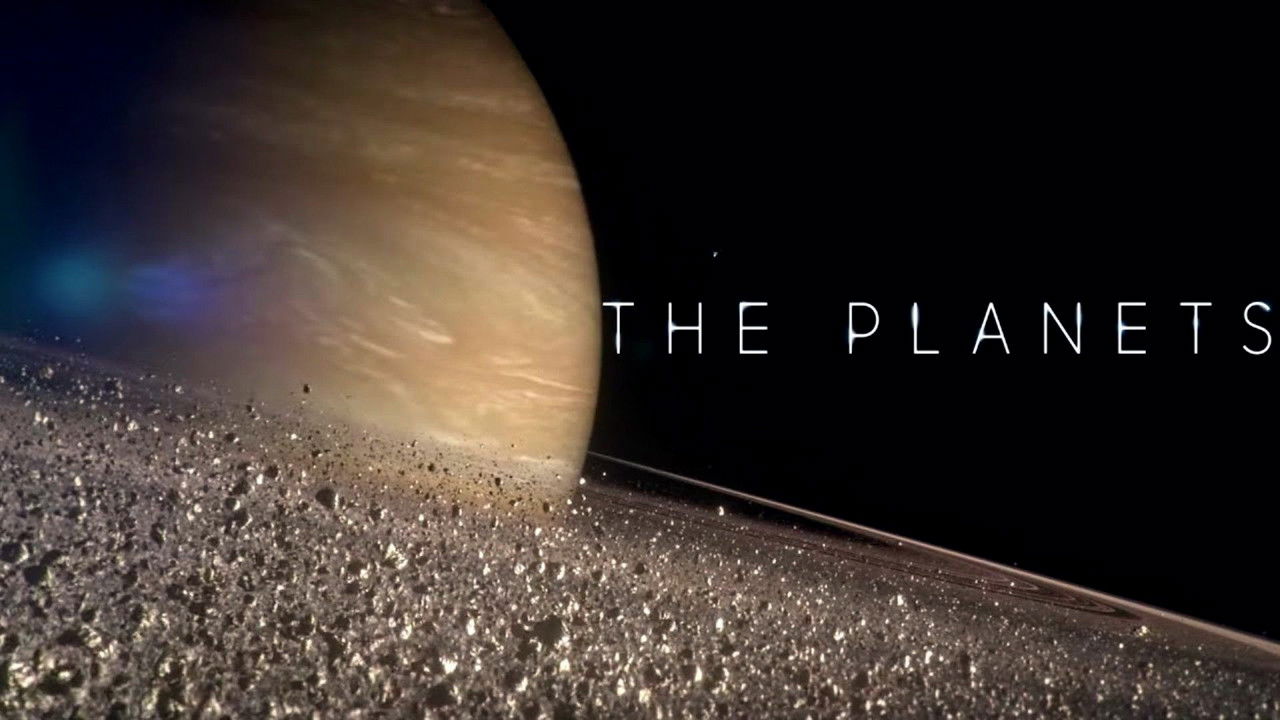
If you’ve suffered through dry, textbook-style science videos, The Planets will feel like a fever dream in the best way possible. It treats our solar system less like a static map and more like a collection of biographies. Every planet has a "life story"—a birth, a violent youth, and an eventual demise. It’s heavy on the drama, which is exactly why it works for kids who usually find documentaries boring.
The Brian Cox factor
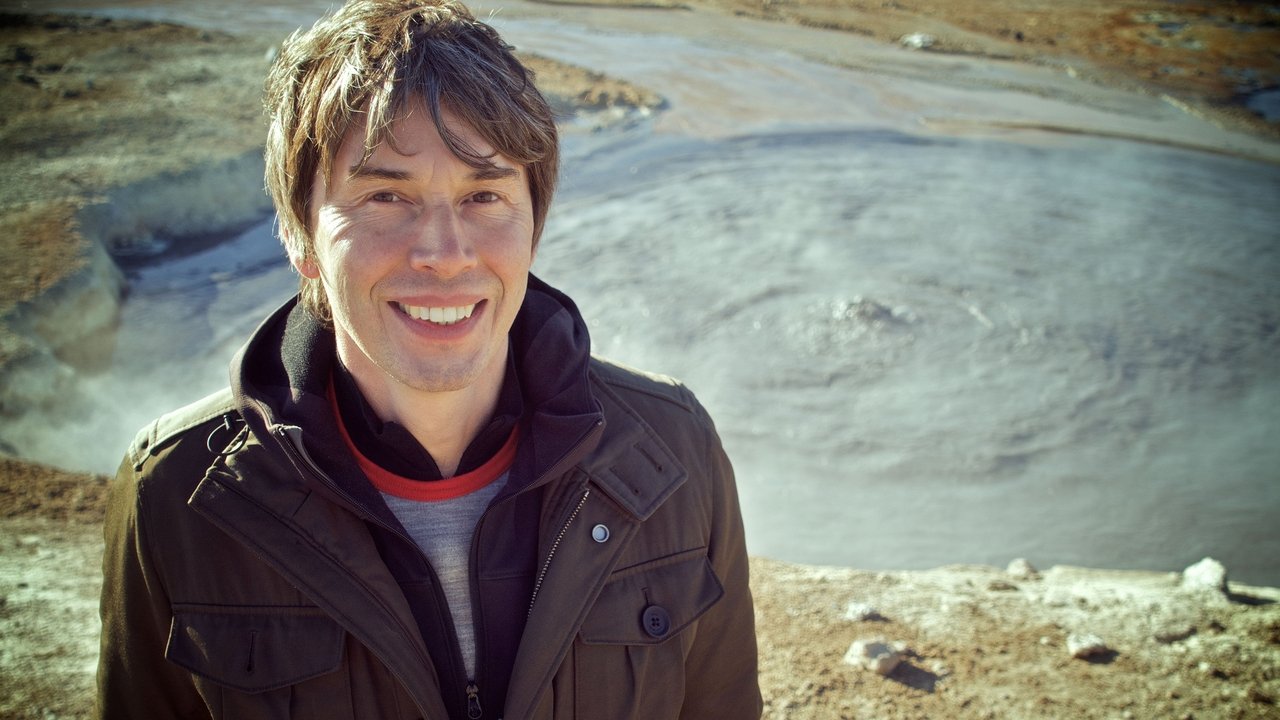
The secret sauce here is the presentation. Brian Cox doesn't just recite facts; he’s essentially a cosmic tour guide who seems genuinely stunned by what he’s telling you. That enthusiasm is the bridge between "educational content" and "entertainment." While we have a few other space documentaries for families on our radar, this one stands out because it doesn't feel like it's trying to teach you something—it feels like it’s sharing a secret.
His delivery is calm and rhythmic, which helps ground the high-concept physics. If your kid is the type to get overwhelmed by fast-talking YouTube explainers, they’ll appreciate the breathing room here. It’s the kind of show that encourages you to sit back and just absorb the scale of things.
Cinematic visuals over "educational" CGI
We’ve all seen the low-budget CGI of a spinning Saturn that looks like a screensaver from 2004. This is not that. The production value here is massive. The rendering of methane rain on Titan or the sheer scale of Martian volcanoes is handled with the kind of detail you’d expect from a big-budget sci-fi film.
This visual polish is why the show maintains a 9 on IMDb. It’s "prestige TV" that happens to be about geology and gravity. If you’re looking for The Best Space Documentaries for Cosmic Exploration: A Parent's Guide, this is the one you use to show off your 4K TV. The visuals do a lot of the heavy lifting for the "story" when the science gets a bit dense.
The "Thinky Kid" threshold
Common Sense rates this for ages 10+, and that’s a solid benchmark, but it’s more about temperament than content. There is nothing "inappropriate" here—it’s as wholesome as a rock—but it is slow. It’s a contemplative watch. If your kid is currently deep in a Roblox or Minecraft phase where they need constant input and flashing lights, they might check out after ten minutes.
However, if you have a kid who likes to stare out the car window or asks questions about why the moon looks different every night, this will be their new obsession. It’s also one of the few shows you can find on Hoopla that feels like a genuine "event" watch for the whole family.
Don't feel pressured to binge it. Each episode is its own self-contained world. Watching one a week is usually the sweet spot to let the information sink in without it feeling like a marathon homework assignment. It’s a rare win for parents who want to watch something that respects their intelligence while being perfectly safe for the kids to see.