The bait-and-switch that actually worked
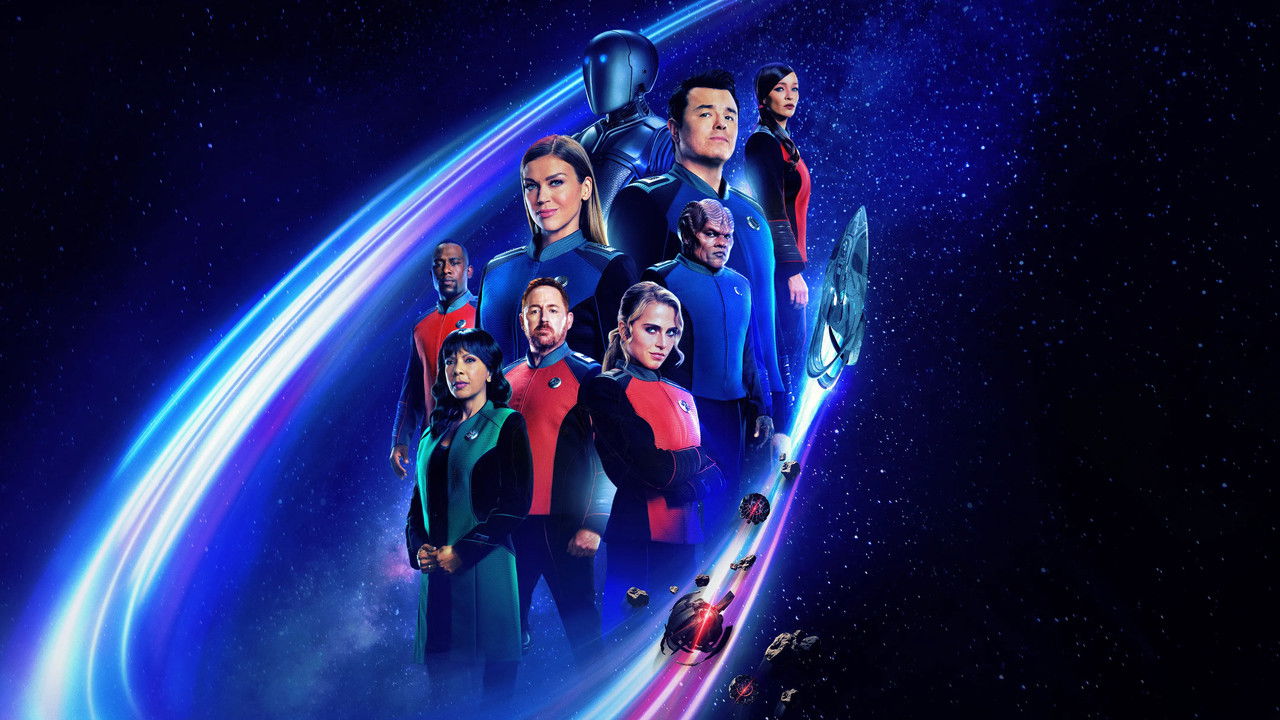
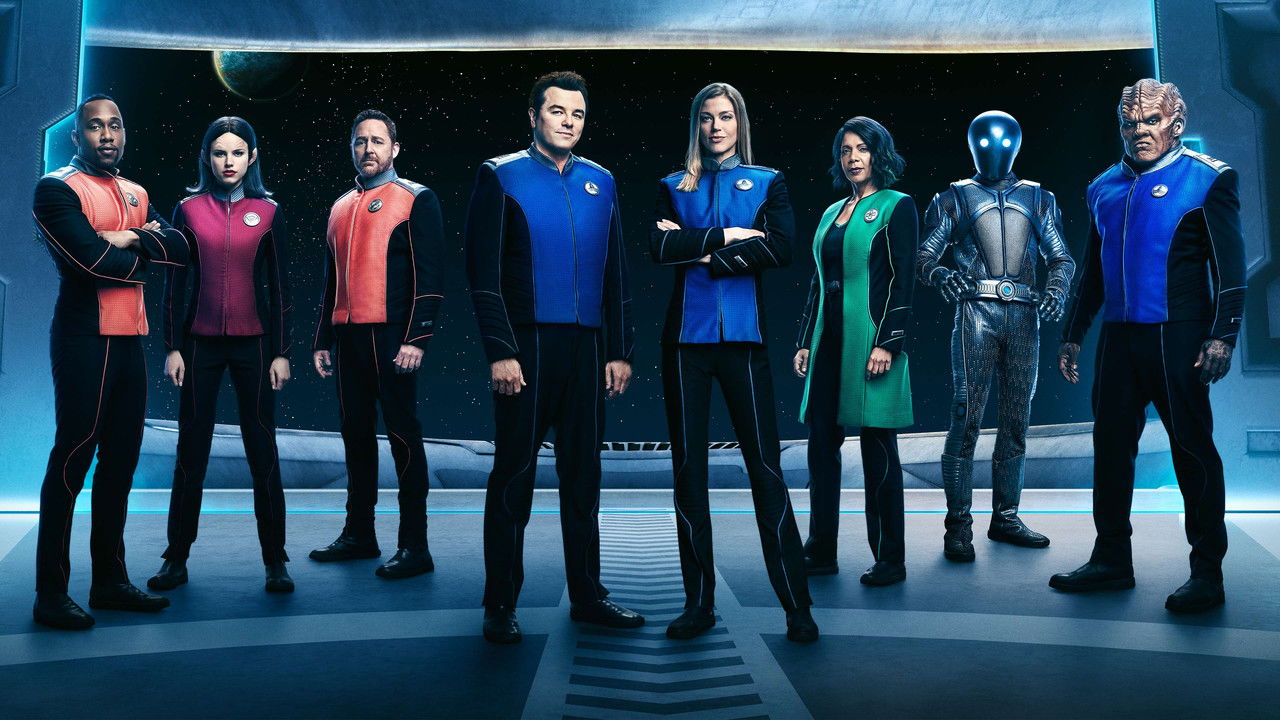
Most people go into The Orville expecting Family Guy in space. For the first few episodes, that’s exactly what the show tries to be, and it’s arguably the weakest part of the series. You can feel the struggle as it leans on cheap gags while trying to build a legitimate sci-fi world. But then, something weird happens. The jokes move to the background, the characters start having actual internal lives, and the show transforms into a high-concept morality play.
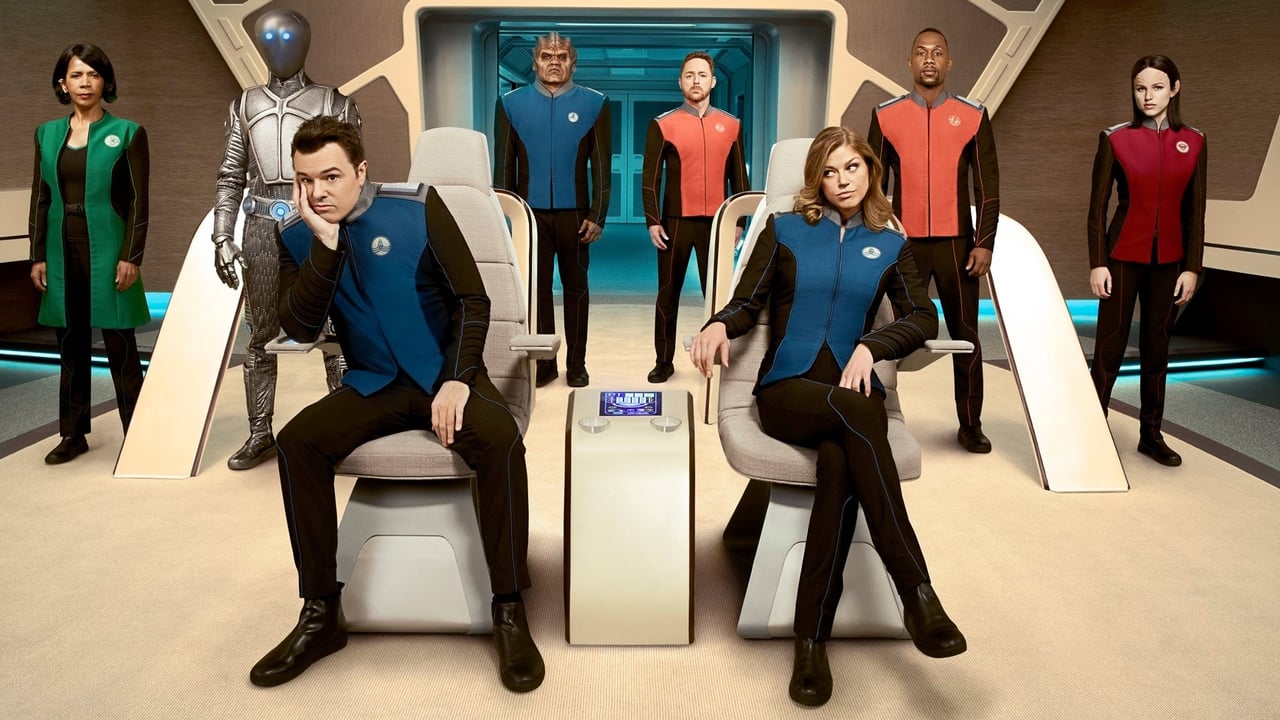
If you’re watching this with a teen, be prepared for the "tonal whiplash" of the first season. One minute they’re dealing with a world-ending threat, and the next, someone is playing a prank involving a misplaced limb. It shouldn't work, but once the show finds its rhythm, the humor serves to make the crew feel like actual coworkers rather than cardboard archetypes. It’s the "hangout" vibe that makes the high-stakes episodes land so much harder.
Why the critics were wrong
That 36 Metacritic score is a relic of a time when critics only saw the pilot and wrote the show off as a vanity project. The 90% audience score is the one you should trust. Fans of classic sci-fi realized that while other modern franchises were going dark, gritty, and cynical, The Orville was doing something radical: it was being hopeful.
It tackles topics that usually make people defensive—gender identity, religious extremism, and social media hive minds—but it does so through the lens of alien cultures. This provides just enough distance for a 14-year-old to engage with the logic of an argument without feeling like they’re being lectured. The storyline involving the Moclan culture and the character Topa is a standout example of how the show handles heavy themes of redemption and acceptance with more grace than most "prestige" dramas.
The "Bridge" show for your teen
If your kid is aging out of the animated stuff but isn't quite ready for the nihilism of The Boys, this is your middle ground. It’s a bridge to more mature storytelling. You get the "cool ship and lasers" factor, but the real "boss fights" are usually ethical dilemmas.
Because this is a Hulu original, you’ll want to make sure your Hulu parental controls are dialed in if you have younger siblings in the house. While The Orville is great for a 15-year-old, the same platform hosts plenty of content that is definitely not.
How to watch it
Don't feel the need to binge this all at once. The show follows an episodic format that feels like a throwback to 90s television. It’s actually better when consumed one or two episodes at a time, leaving space to talk about the "what would you do?" scenarios the crew faces.
"The show makes fun of the genre while simultaneously being the best version of it currently on TV."
If you find the first season a bit too "jokey," stick with it. By the time you hit the later seasons, the production value skyrockets, the stories become more cinematic, and the "not-so-functional" crew starts feeling like the only people you'd actually want to be stuck on a spaceship with.