The "lost" movie problem
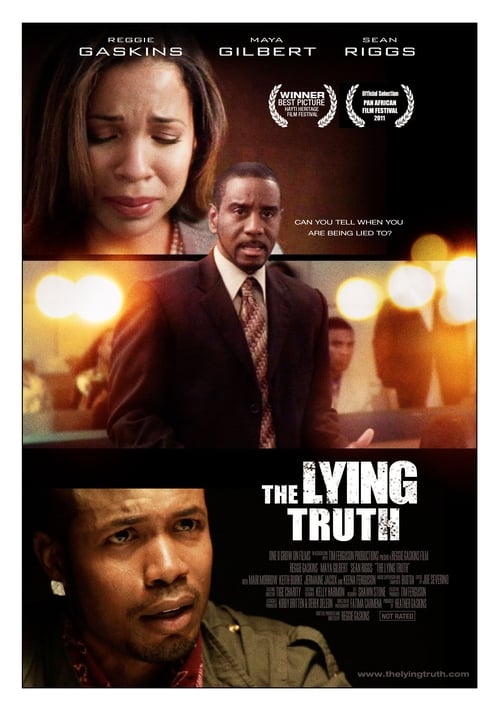
Finding a movie with zero critical footprint and a TMDB score of 0 usually means one of two things: it’s a hidden masterpiece or, more likely, it’s a forgotten budget drama that didn't make a dent for a reason. The Lying Truth falls squarely into that second camp. Released in 2011, it arrived just before the cultural conversation around consent and power dynamics in the music industry really shifted. Because of that, the movie treats its central conflict like a whodunnit rather than a serious look at a systemic issue.
If this popped up in your "recommended" feed, it’s probably because an algorithm is digging deep into the archives of low-budget indie dramas. There is very little here to justify the 105-minute runtime unless you have a specific interest in the "urban drama" subgenre of the early 2010s.
Archetypes over substance
The film leans heavily on the "rapper" and "video vixen" tropes of that era. It’s a setup designed for maximum friction but minimal nuance. By framing the story as a mystery where "one of them will be exposed as a liar," the movie turns a traumatic event into a simple plot device. This "he-said-she-said" binary is a common trope in low-budget thrillers, but it often ends up feeling exploitative rather than insightful.
When a story is built entirely on the reveal of who is "bad," it usually skips over the actual human cost of the situation. If you're looking for a film that actually handles the complexity of these themes, you're better off looking at modern prestige dramas that have the script to do the heavy lifting.
The "Truth" branding
There’s a certain trend in media where putting "Truth" in the title is shorthand for "this is going to be gritty and difficult." We see this pivot often when creators want to signal they are moving away from fluff, whether it’s in a courtroom drama or even in gritty novels dealing with family grief.
The problem with The Lying Truth is that it mistakes shock for grit. It wants to be a provocative conversation starter, but it lacks the critical weight to actually carry that conversation. It’s the cinematic equivalent of a tabloid headline: it grabs your attention with a scandalous premise but doesn't have much to say once you're in the room.
Who is this for?
If you’re a completist for 2010-era indie legal dramas or you’re curious about the specific way the entertainment industry was portrayed a decade ago, you might find some curiosity value here. For everyone else, it’s a skip. The lack of audience data and critical reviews is the biggest red flag. In a world with endless high-quality streaming options, there’s no reason to settle for a mediocre mystery that handles sensitive topics with all the grace of a sledgehammer.