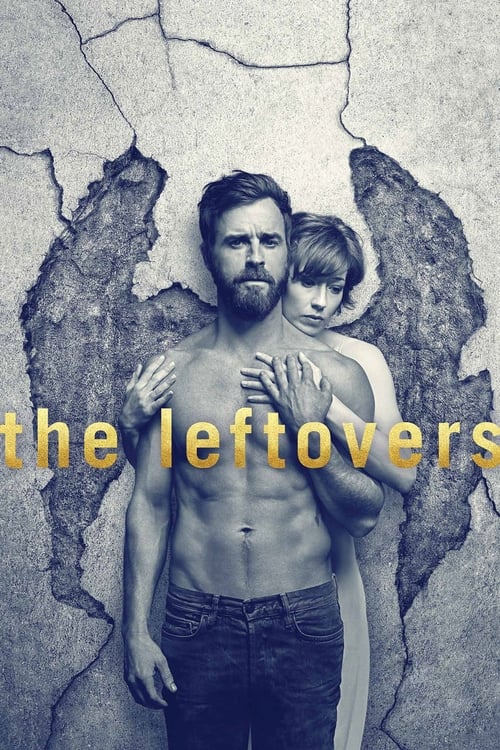
The "Season 1" Wall
There is a very specific phenomenon with this show: people start the first season, feel like they are being emotionally suffocated, and quit. It’s understandable. The early episodes are a relentless look at a world that has essentially given up. But if you can push through that initial gloom, the show undergoes a massive tonal shift. It stops being a bleak suburban drama and turns into something wild, surreal, and occasionally even funny in a dark, cosmic way.
The critics who gave this a 91% on Rotten Tomatoes weren't just reacting to the sadness; they were reacting to how the show eventually breaks its own rules. It moves from the "Mapleton" vibe of the first year into much stranger territory in later seasons. If you’ve ever started a show and thought, "I get the point, it’s depressing," I’m telling you: you don't get the point of this one until you hit the midpoint. It’s a reconstruction project, not just a demolition of the human spirit.
Why it’s the ultimate "Solo Watch"
Even if you have a very mature teenager who handled the graphic chaos of The Boys, this is a different animal. Most "mature" shows use violence or sex as a shock tactic or a plot point. Here, the "content" is often tied to profound psychological breaks. We’re talking about cults that use silence as a weapon and characters who are genuinely unsure if they are losing their minds or talking to God.
It’s the kind of show that requires your full attention and a specific kind of emotional resilience. If you’re looking for a thriller, you’ll be disappointed. If you want a puzzle box where every mystery gets a neat explanation, you will be furious. This is a show about the lack of answers. For a deeper look at the specific triggers and the cult dynamics that make this so heavy, our Parent’s Guide to TV’s Heaviest Masterpiece breaks down the friction points.
The Performance Factor
You’ve likely seen the cast in other things, but Justin Theroux and Carrie Coon are doing work here that is almost physically painful to watch. They carry the weight of the "Sudden Departure" in every scene. It’s not just "good acting"—it’s the kind of performance that makes you want to turn the TV off and sit in silence for twenty minutes.
If you enjoyed the slow-burn, high-stakes psychological tension of The Patient: Is This Serial Killer Thriller Too Intense for Your Teen?, you’ll recognize the DNA here. It’s that same feeling of being trapped in a room with someone’s grief. The difference is that while a show like The Patient stays grounded, this show eventually starts swinging for the fences with metaphysical theories and international detours. It is ambitious in a way that very few shows—on HBO or anywhere else—ever attempt. One minute you’re watching a family argument, and the next, you’re questioning the nature of the afterlife. It’s a lot. But for the right viewer, it’s everything.