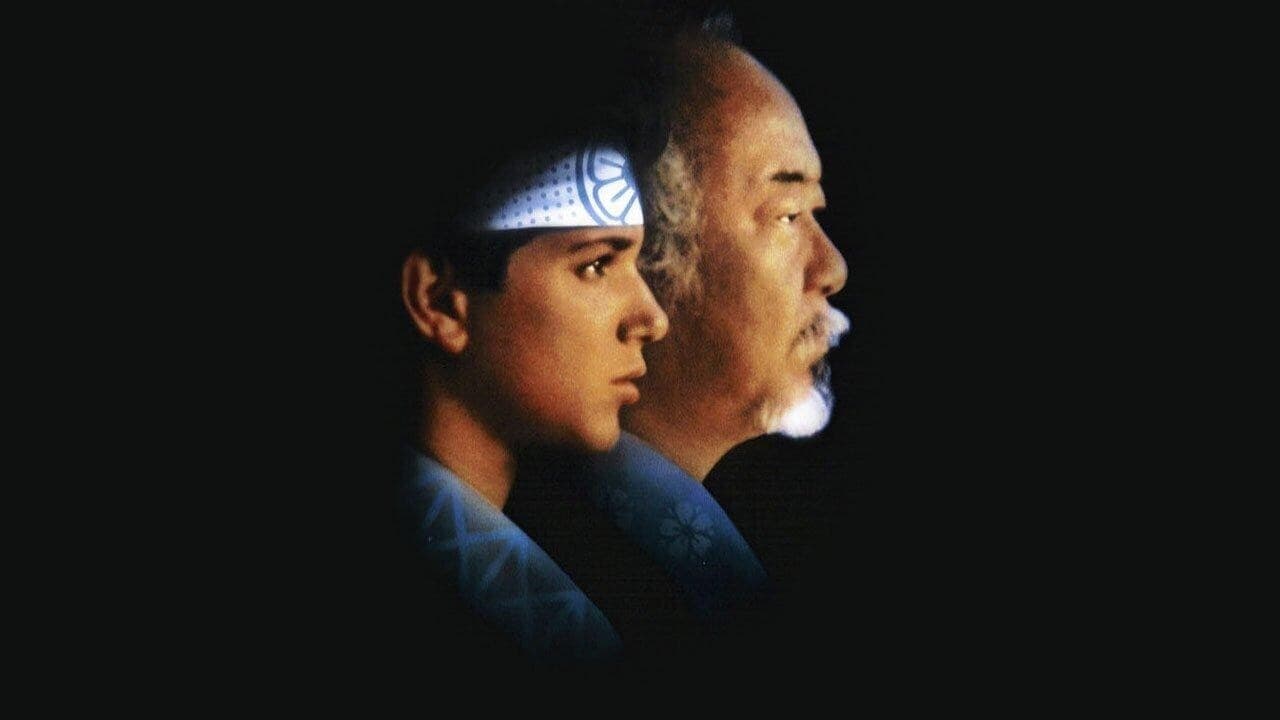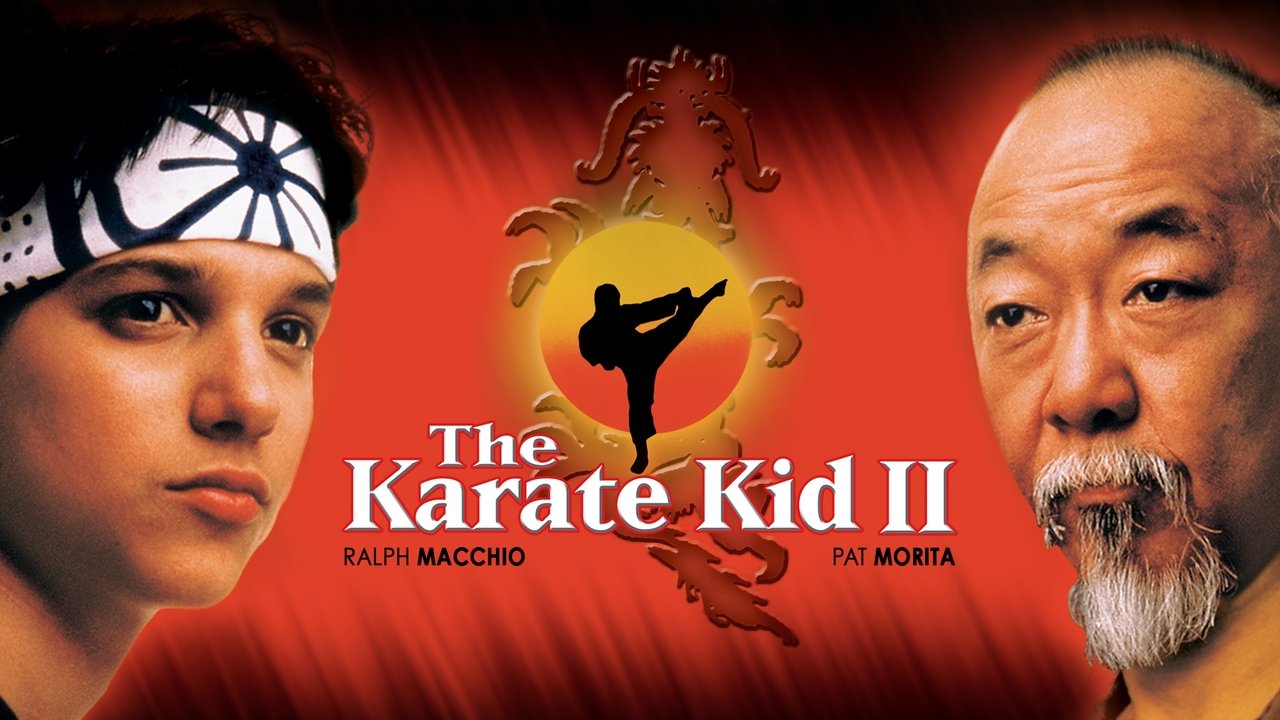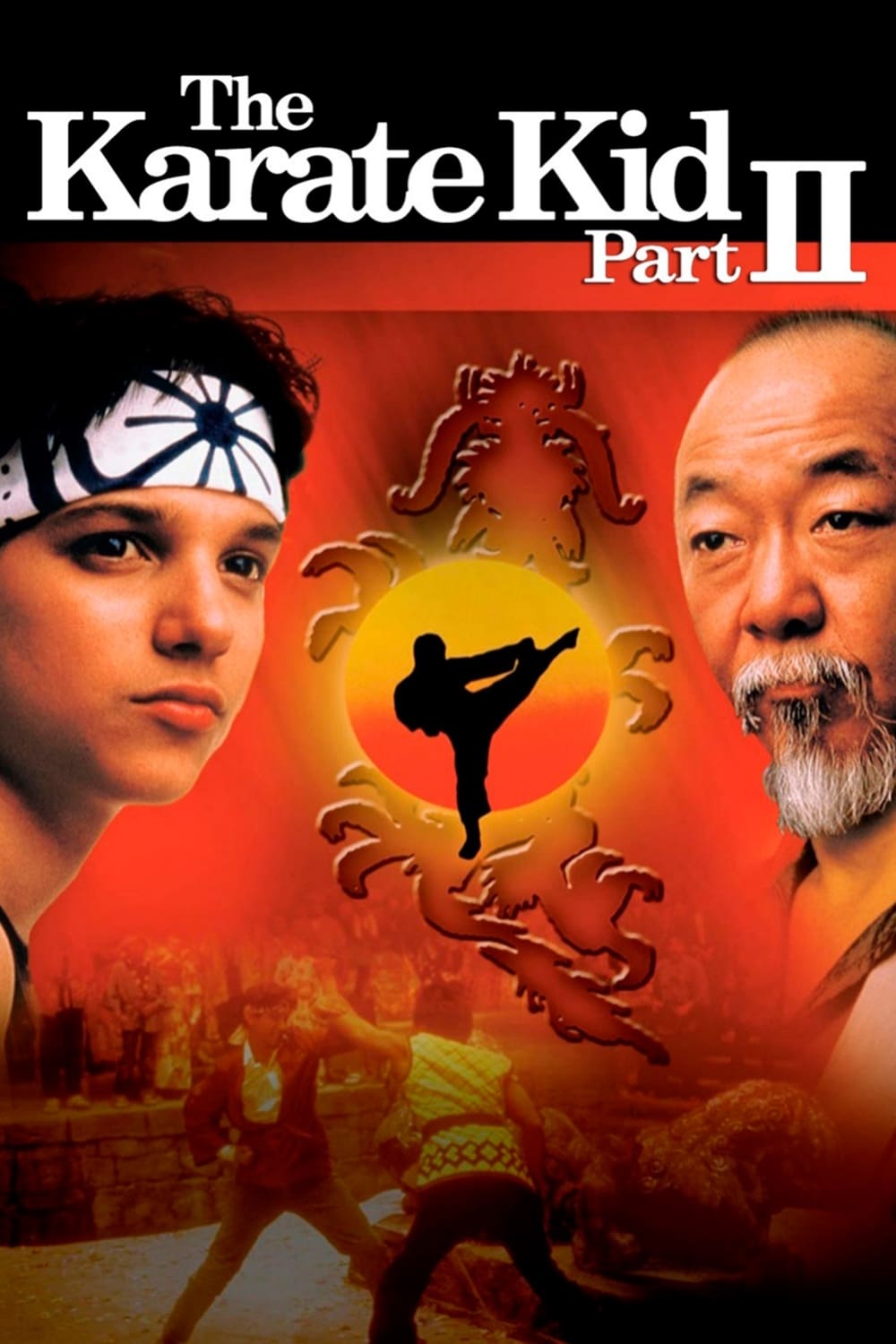

The Karate Kid Part II

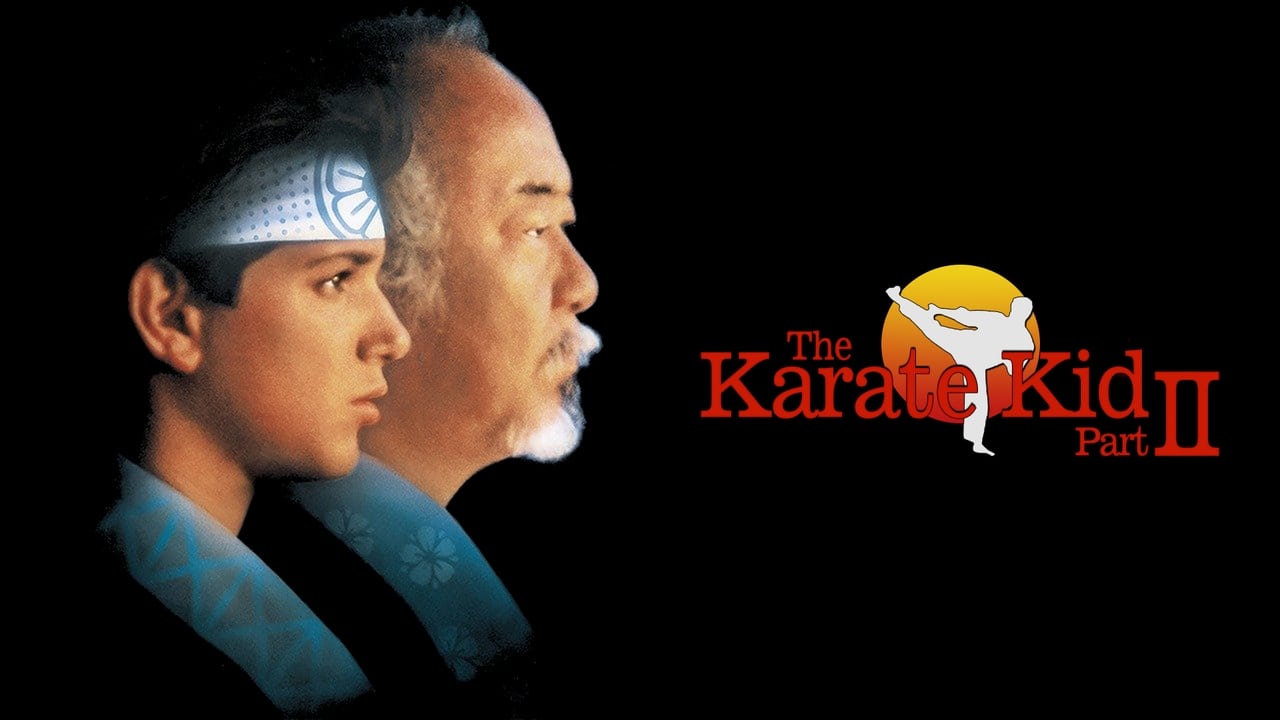
The Karate Kid Part II

movie

PG, 1986

WISE
52%

WISE Score

49

Avg. Tomatometer

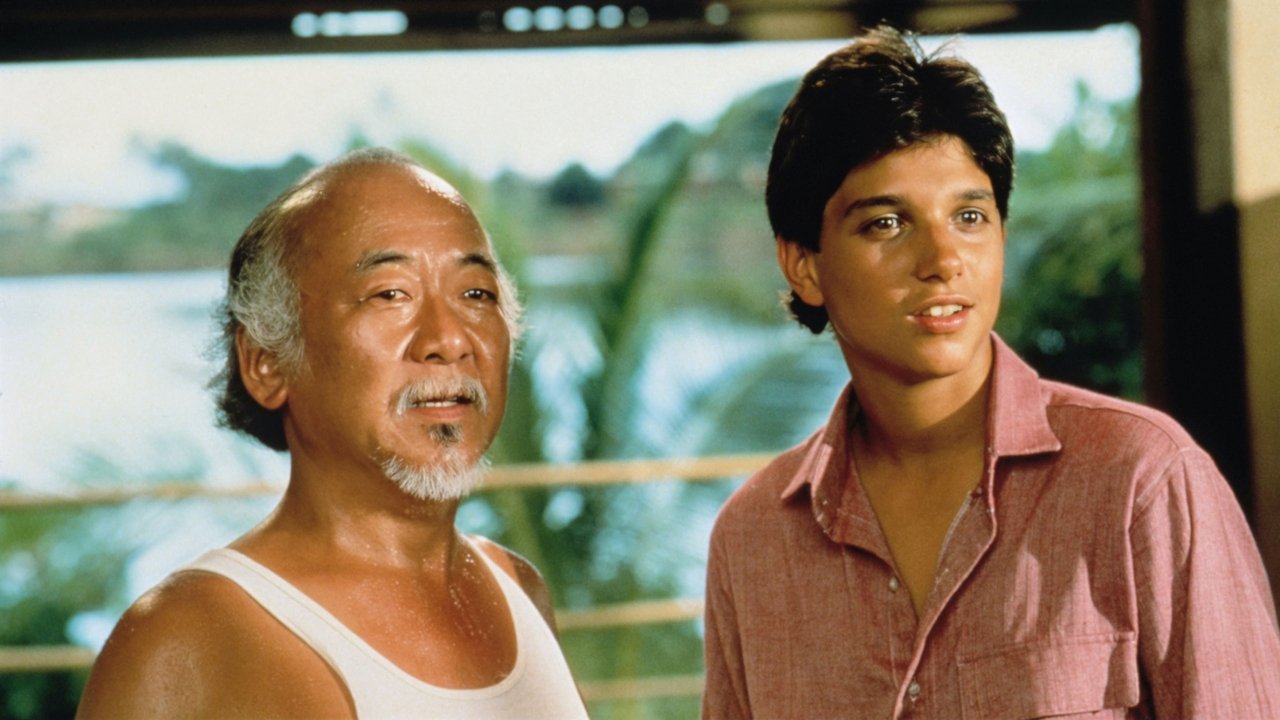
Mr. Miyagi takes Daniel to Okinawa for family drama and another predictable showdown—but this time with higher stakes and lower ratings.

IMDb6.2
RT Critics49%
MC55
Common Sense Media
Where to Watch
Loading streaming options...
Screenwise Verdict

Let's be real: this is the sequel nobody asked for and most people wish they could forget.

The first Karate Kid worked because it had heart, a underdog sports narrative, and genuine chemistry. Part II tries to replicate that magic by transplanting everyone to Okinawa, but what we get is a slower, more violent, less compelling retread. The cultural setting is interesting for about 20 minutes, then the predictable 'new location, new bully, same structure' formula kicks in.

The critical consensus tells the story: 49% on Rotten Tomatoes, 55 on Metacritic, a middling 6.2 on IMDb. Even audiences who were there in 1986 only give it 52%. That's 'meh' territory, and it hasn't aged well. The pacing is glacial by modern standards, and the climax—while emotionally intense—resolves everything through a fight to the death, which undercuts the 'peace and honor' messaging.

For families who loved the first film and Cobra Kai, this might be worth a watch for context and completeness. But be prepared: your kids will probably check their phones during the middle act, and you'll find yourself defending why you made them sit through it. There's some genuine cultural exploration and Mr. Miyagi gets more depth, but it's buried under 1980s sequel bloat.

Bottom line? Skippable unless you're a completist. Just jump to Cobra Kai instead—it does more with this universe in 10 minutes than Part II does in 113.
Age Fit

Best for ages 11-14 who've seen the first Karate Kid and are curious about the sequel. The intense violence and slow 1980s pacing make it a tough sell for younger kids or modern teens who haven't built nostalgia for the franchise. Adults may watch for completeness but will likely find it skippable.

WISE Breakdown
Wholesome
72

Models mentorship, honor, and cross-cultural respect through Mr. Miyagi's return to Okinawa. The film emphasizes loyalty, facing one's past with dignity, and choosing peace over violence. Daniel's romance with Kumiko is sweet and age-appropriate. However, the climactic violence and life-or-death stakes add intensity that edges away from pure wholesomeness.

Imaginative
58

Takes the franchise to Okinawa, offering cultural exploration and a shift from tournament competition to personal honor conflicts. The setting provides visual interest and introduces traditional Japanese elements. However, it's essentially a straightforward sequel that follows a predictable formula—new location, new rival, same structure. Limited invitation for creative thinking or novel storytelling approaches.

Safe
68

Common Sense Media rates it for age 11+, indicating some violence but nothing graphic. The martial arts fights are more intense than the first film, with the final confrontation being genuinely dangerous (life-or-death stakes, choking). The villain Chozen is 'vicious' per the synopsis. No sexual content or nudity, minimal language. The violence is contextual (honor-bound) but still present and could be frightening for younger viewers.

Enriching
65

Explores themes of forgiveness, cultural heritage, and reconciling with the past. Mr. Miyagi's return after 40 years of exile offers depth about consequences and redemption. The Okinawan setting provides cross-cultural exposure. However, the film ultimately resolves conflicts through violence rather than dialogue, and the 'honor at all costs' messaging can feel dated. Mixed critical reception (49% RT critics, 55 Metacritic) suggests it doesn't fully deliver on its thematic potential.

Parent Info

Why It Might Be Great

  • Cross-cultural exposure to Okinawan traditions, village life, and Japanese customs through Miyagi's homeland
  • Deepens Mr. Miyagi's character by exploring his painful past, lost love, and decades-long exile
  • Themes of honor, forgiveness, and choosing peace over vengeance (even if undermined by the violent climax)
  • Sweet teen romance between Daniel and Kumiko that's age-appropriate and culturally respectful

What to Watch For

  • The final fight is genuinely dangerous—Chozen attempts to kill Daniel, including choking scenes that could frighten younger viewers
  • Pacing drags significantly in the middle; modern kids raised on Marvel movies will find this glacially slow
  • The 'honor demands fighting to the death' messaging feels problematic and outdated by 2025 standards
  • Widely considered the weakest of the original trilogy—even nostalgic adults struggle with this one

Conversation Starters

  • "Why do you think Mr. Miyagi stayed away from Okinawa for 40 years? Would you ever avoid going home because of something painful?"
  • "Chozen and Sato both care about honor—but what does honor actually mean? Can you have honor without violence?"
  • "What did you notice about how life in Okinawa was different from California? What traditions or customs stood out?"
  • "Daniel keeps getting into fights wherever he goes. Do you think he's unlucky, or is there something about how he acts that creates conflict?"
Stills
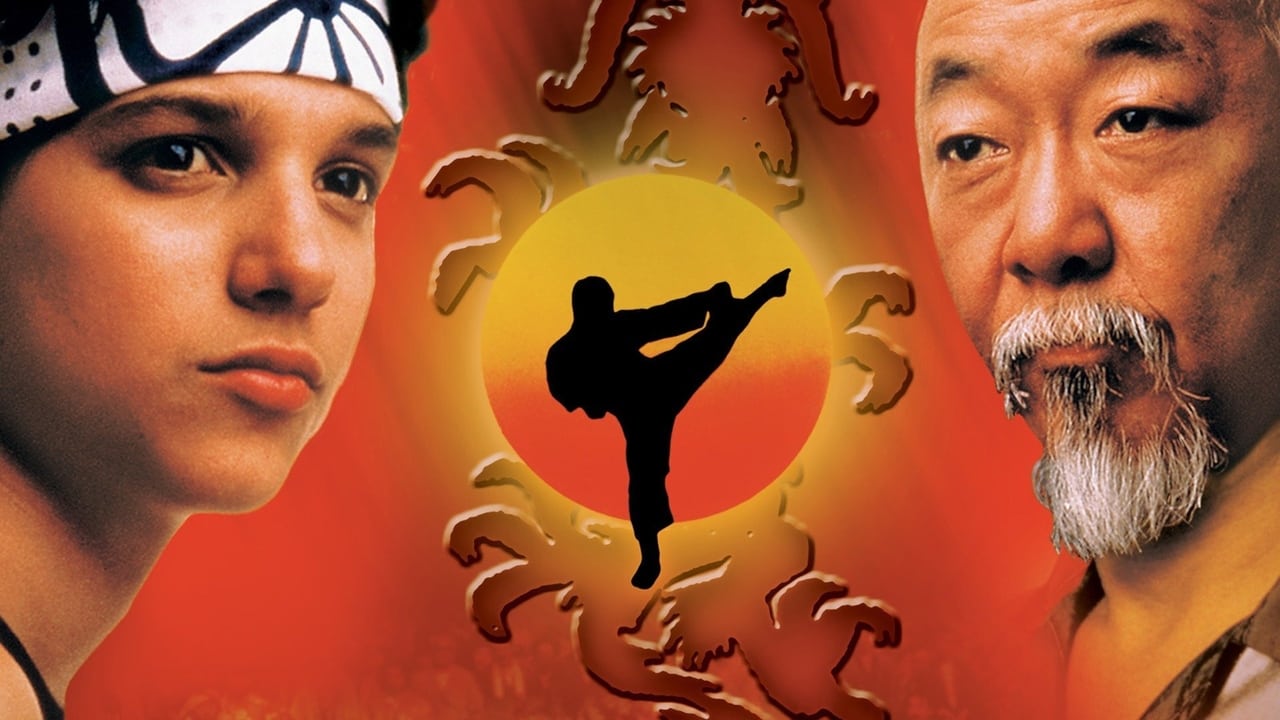
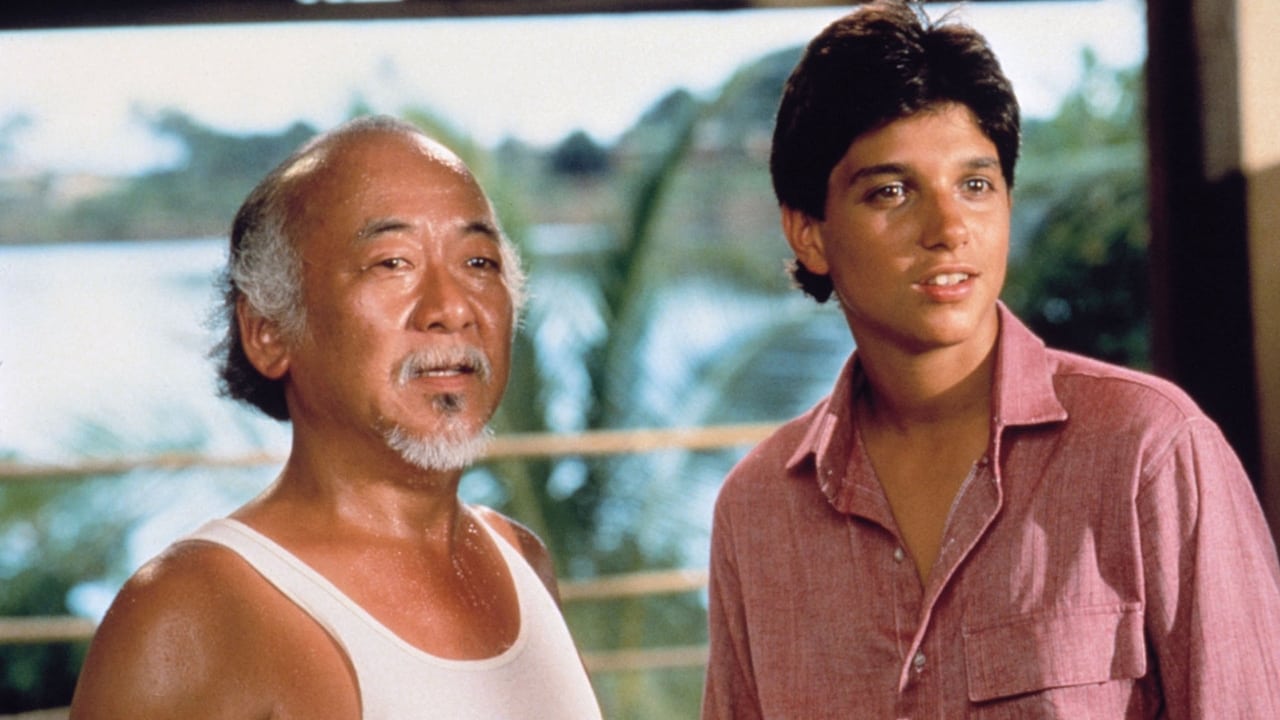
The Karate Kid Part II — still 1
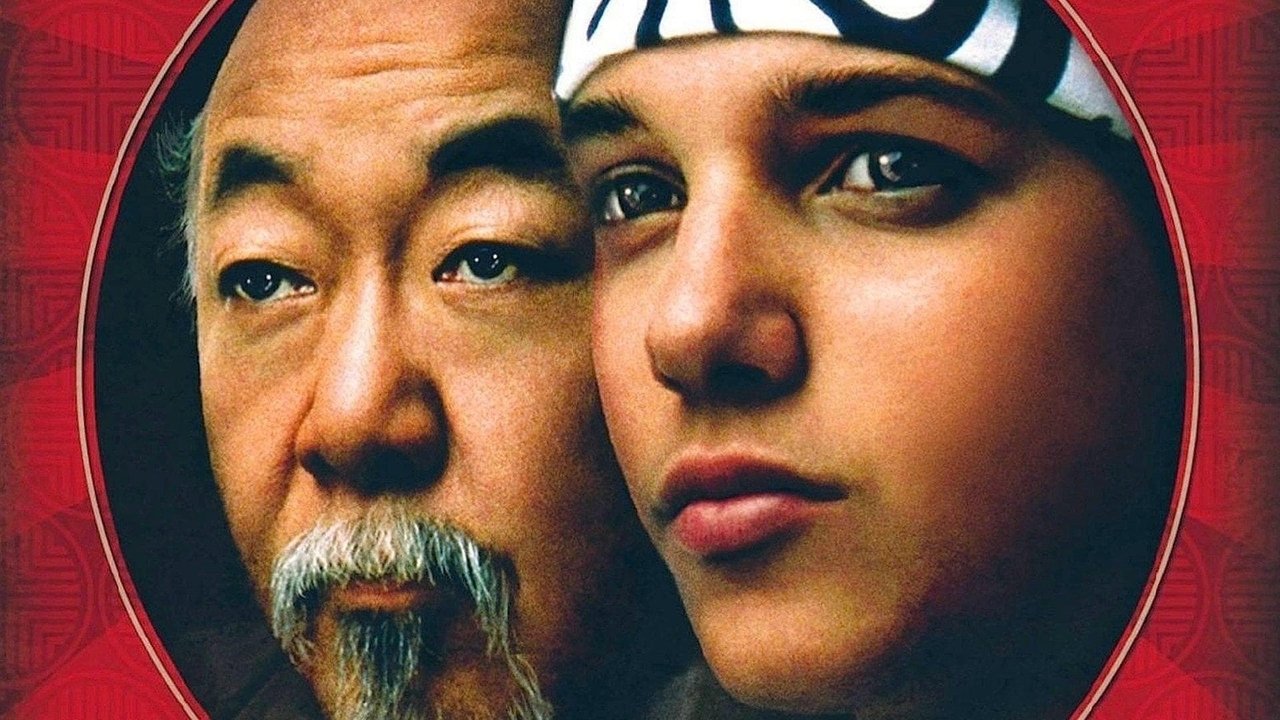
The Karate Kid Part II — still 2
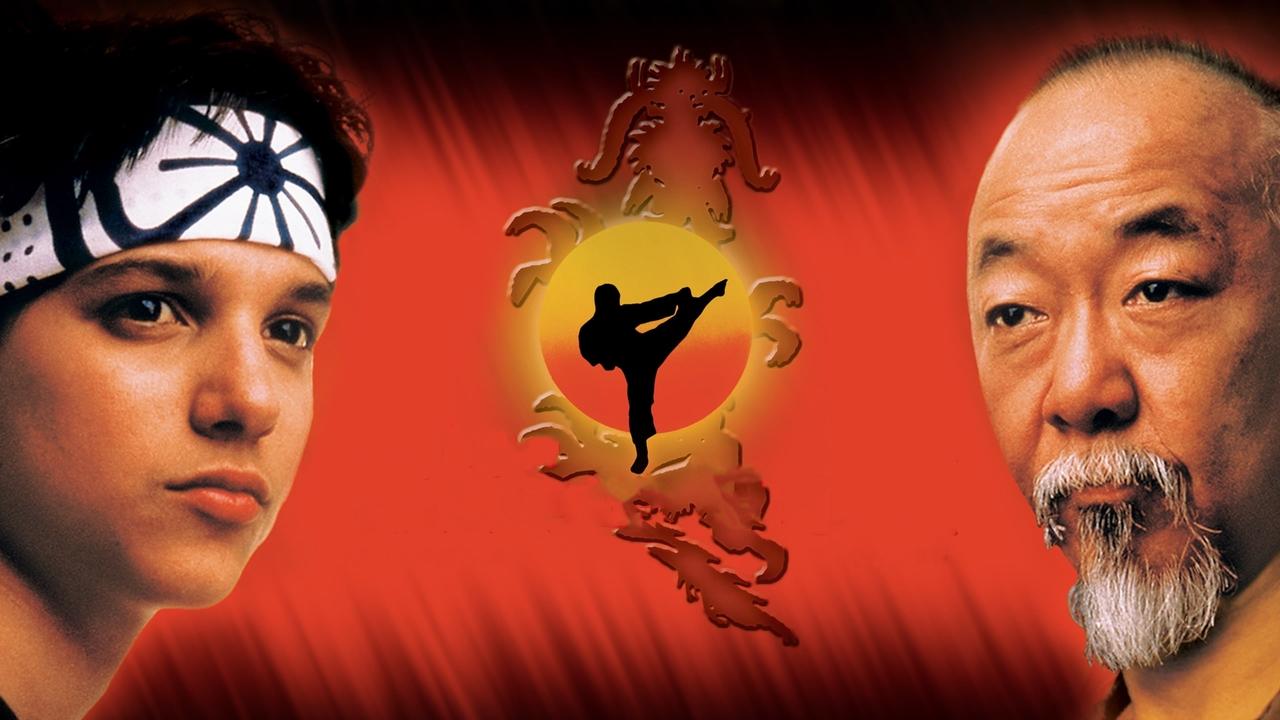
The Karate Kid Part II — still 3
The Karate Kid Part II — still 4
The Karate Kid Part II — still 5
The Karate Kid Part II — still 6
The Karate Kid Part II — still 7
The Karate Kid Part II — still 8

Ask Anything

Get a personalized guide on any topic