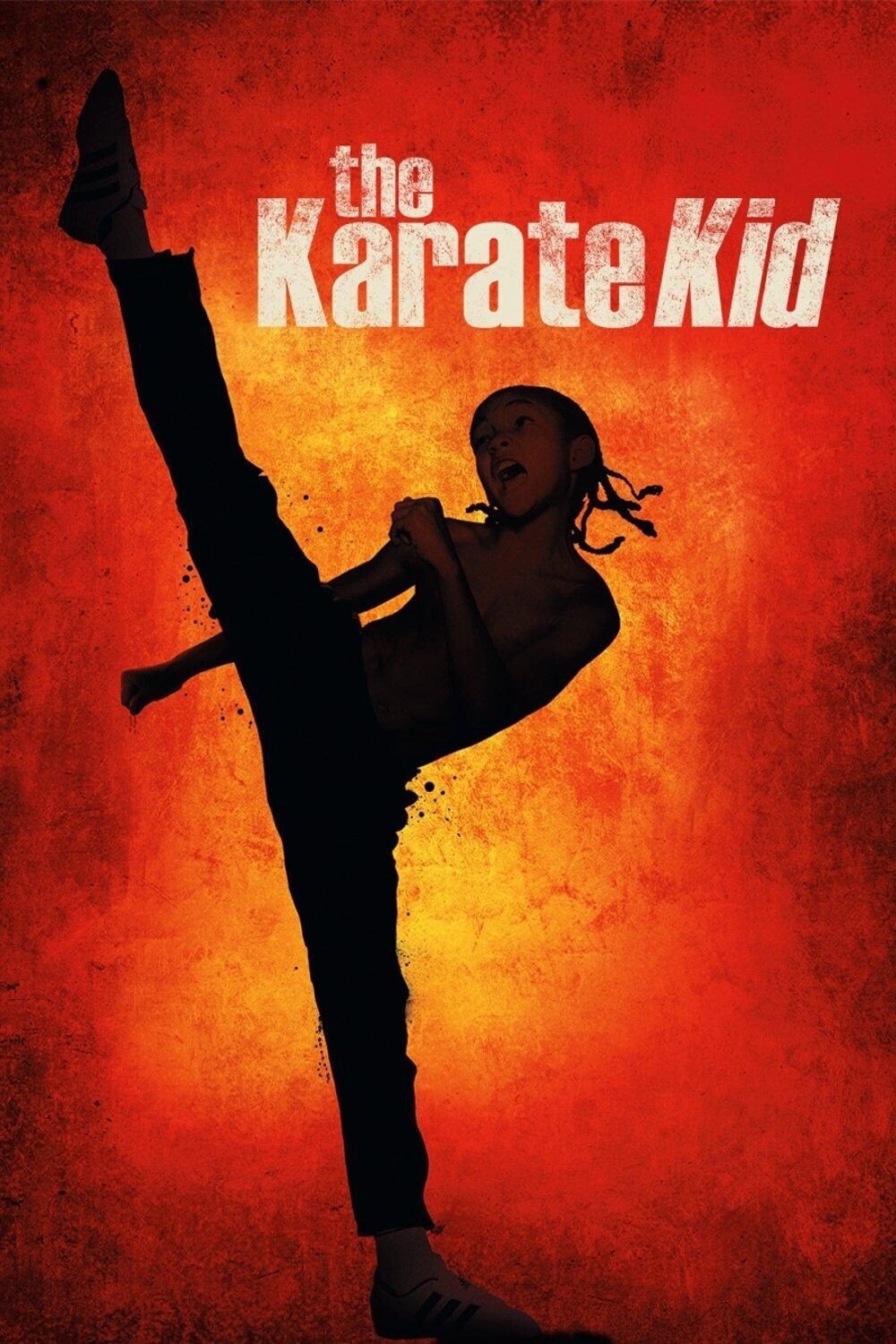
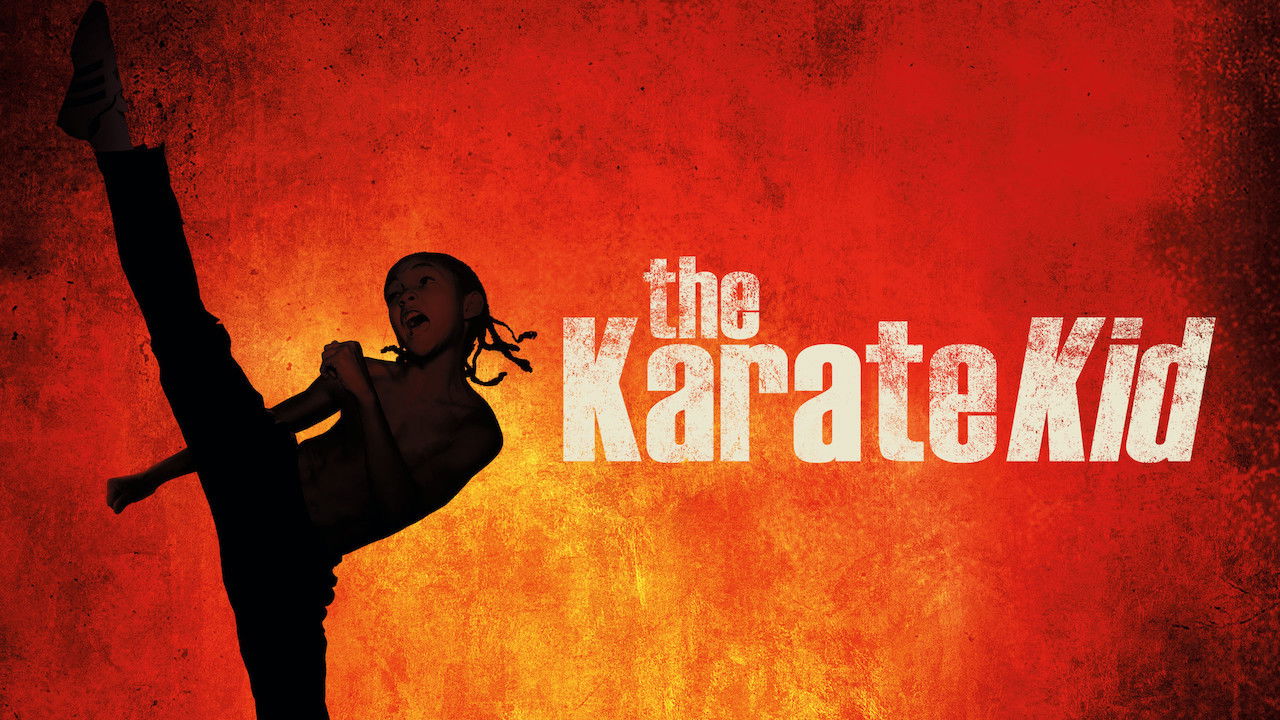
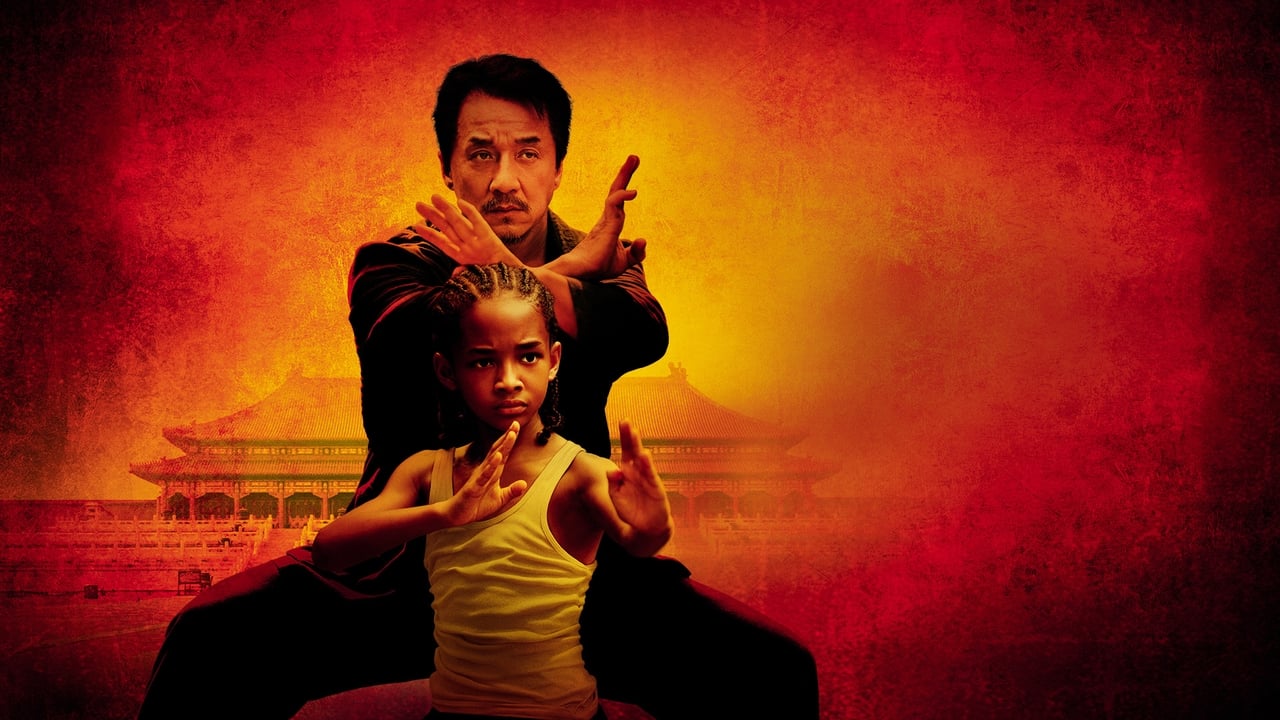
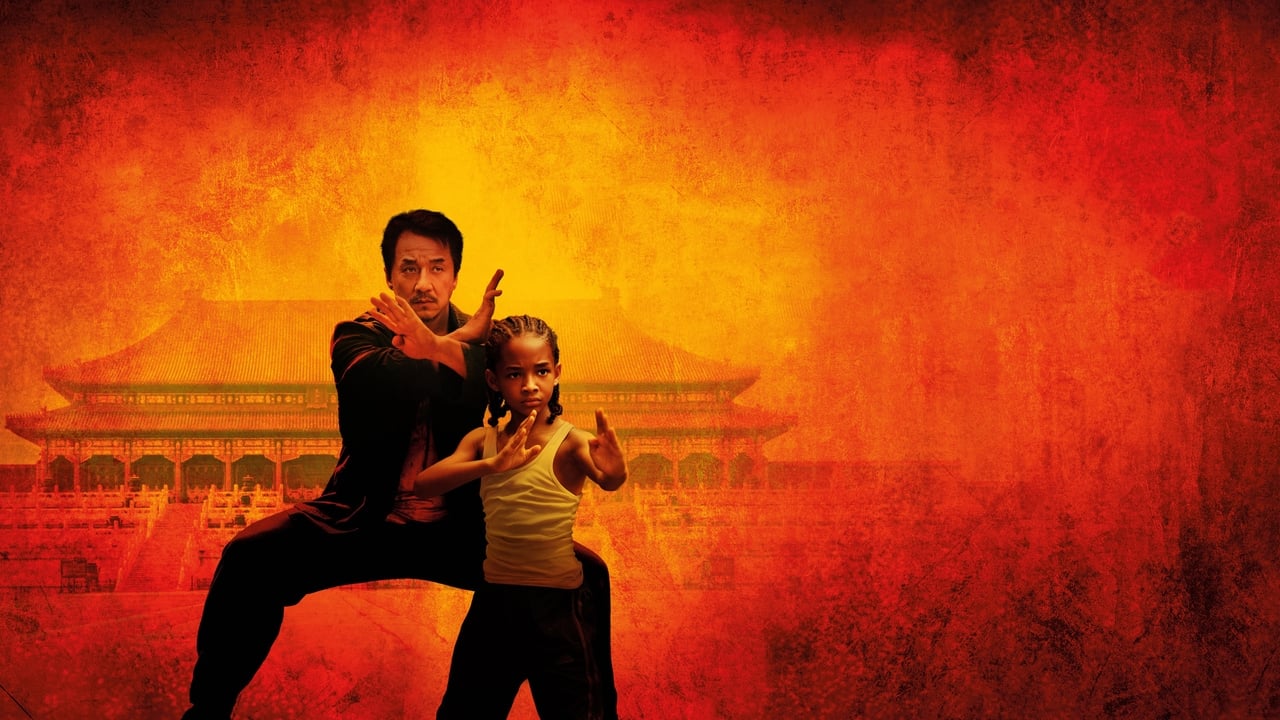
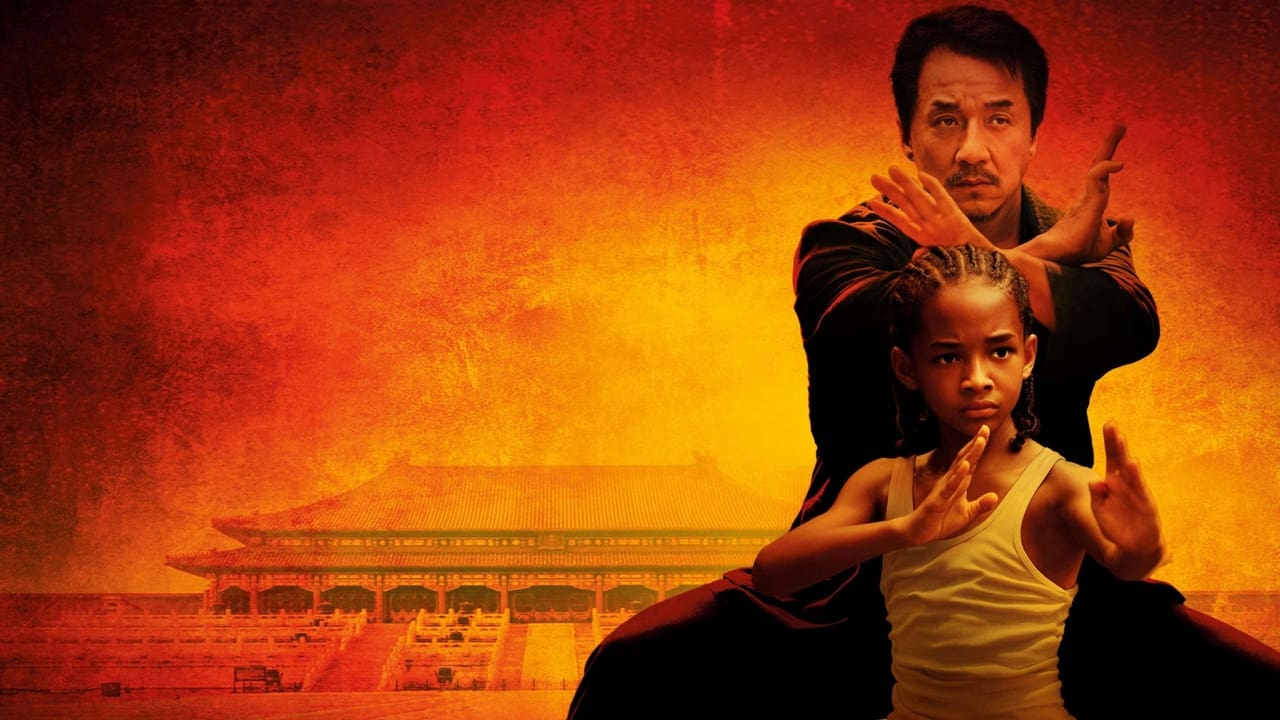
The Beijing upgrade
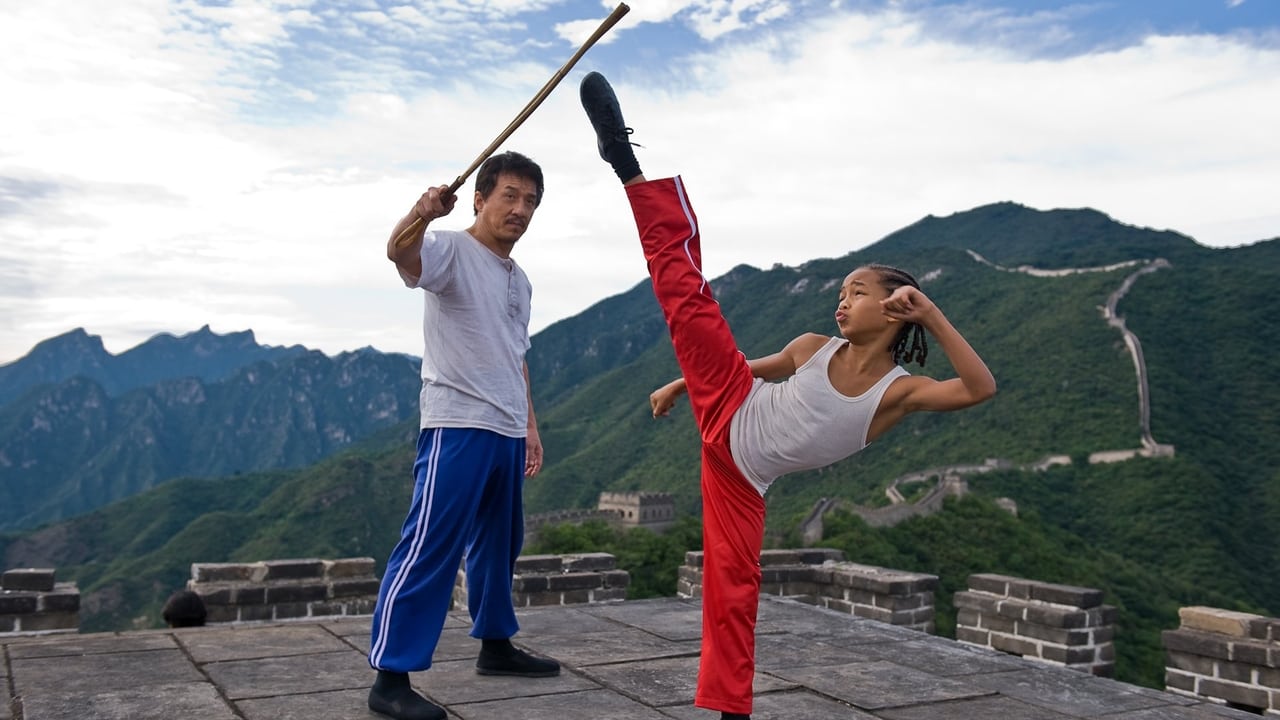
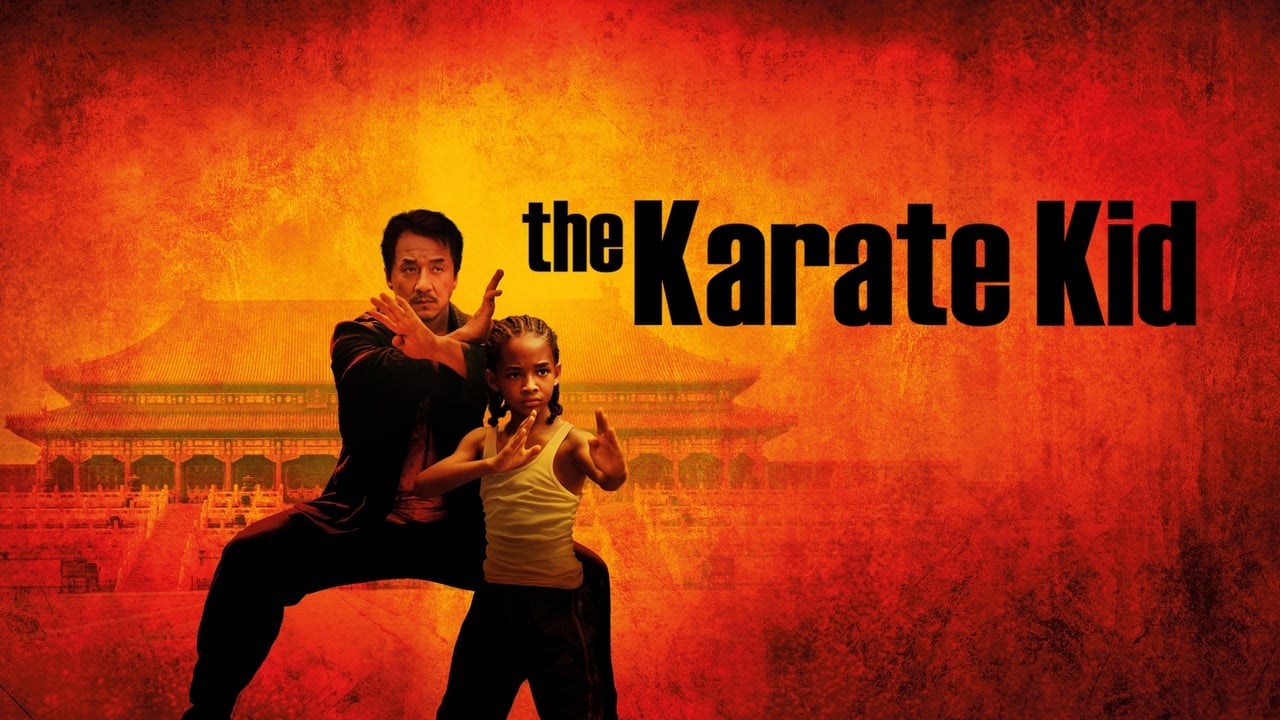
Most remakes feel like a cynical cash grab, but moving this story from the Valley to Beijing actually gives the stakes a much-needed boost. In the original, the hero is just the new kid from New Jersey. In this version, Dre is a kid who can’t read the signs, can’t speak the language, and is physically smaller than almost everyone coming for him. That "fish out of water" energy is palpable. It makes the bullying feel less like a schoolyard trope and more like a genuine survival situation.
If your kid has already burned through the Diary of a Wimpy Kid series, they’ll recognize the DNA here. It’s that same "everything is going wrong and I’m the only one who sees it" vibe, just swapped from a middle-school cafeteria to the parks of China.
The Jackie Chan factor
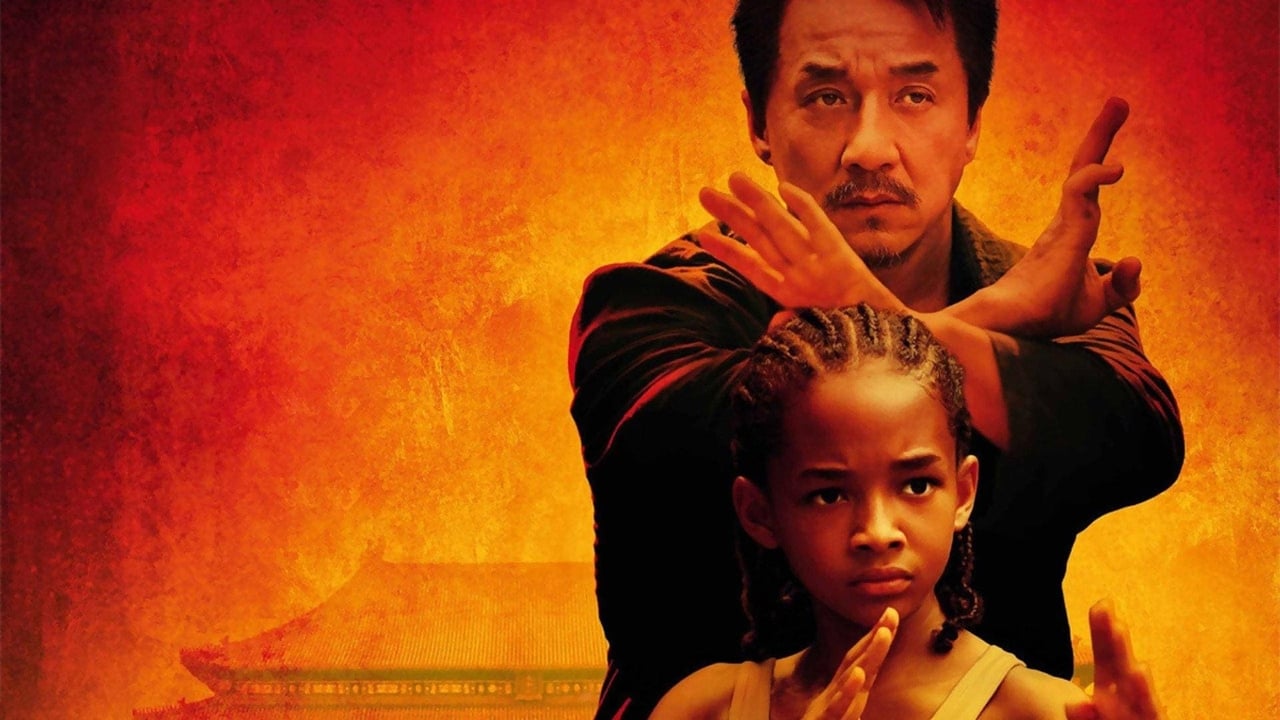
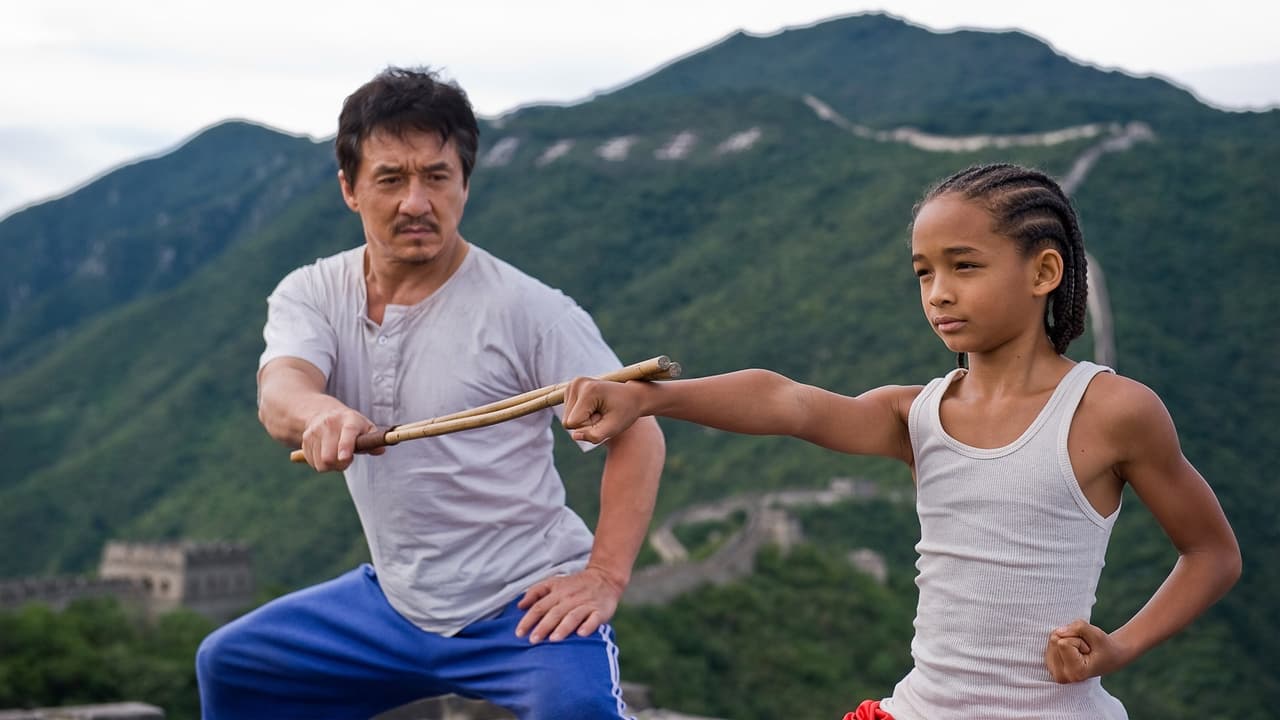
We’re used to seeing Jackie Chan as a human cartoon, jumping through ladders and using chairs as weapons. This is not that. He plays Mr. Han with a quiet, heavy stillness that might catch kids off guard if they only know him from animated projects. He isn't just a teacher; he’s a guy who is clearly broken by his past.
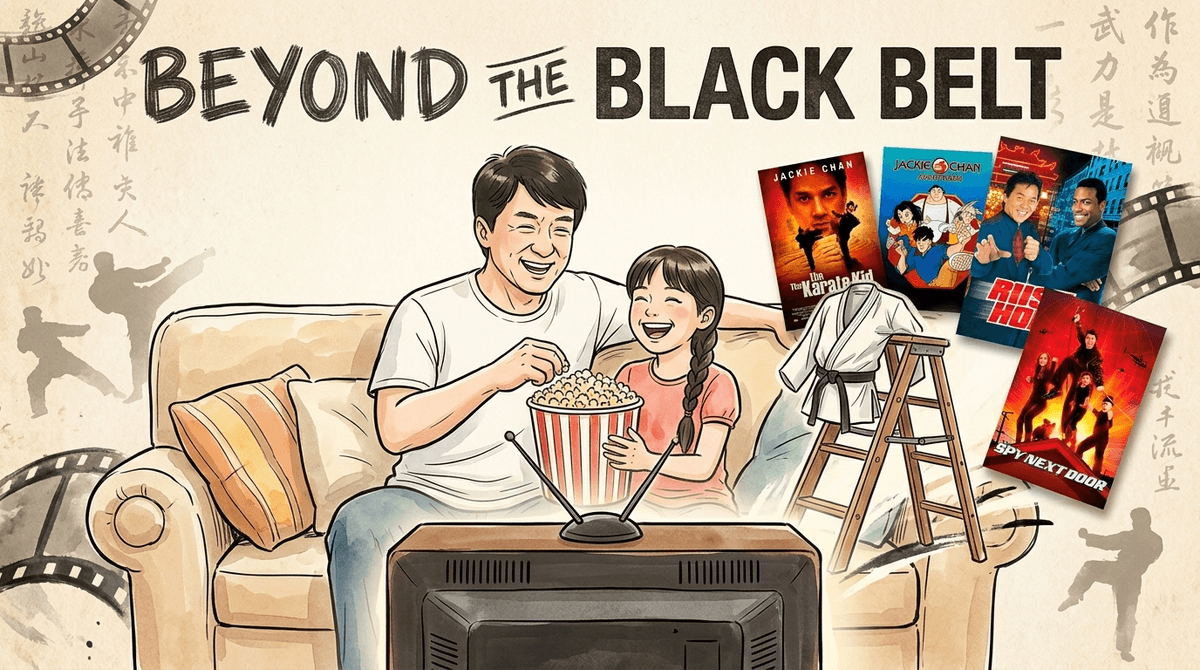
The movie doesn’t rush his backstory, either. When the "why" of his sadness finally comes out, it’s a heavy moment that anchors the film. It turns the movie from a standard sports flick into something more like a drama about two lonely people finding a way forward. If this grounded version of the star works for your family, you can find his more high-energy, classic stunts in our guide to the 10 Best Jackie Chan Movies for Kids.
The "jacket" philosophy
The most famous sequence in this movie—the endless cycle of hanging up and dropping a jacket—is the perfect litmus test for a kid’s patience. It’s a great metaphor for any parent who has ever asked a kid to do a basic chore ten times.
While the 1984 version had "wax on, wax off," the jacket routine feels more relatable to a modern kid’s daily friction. It’s the best part of the movie to talk about afterward. The idea that "kung fu lives in everything we do" is a much better takeaway than just learning how to kick someone in the face. It frames discipline as a lifestyle rather than a set of moves.
Managing the marathon
The biggest hurdle isn't the violence or the emotional weight—it’s the clock. At well over two hours, this is a massive commitment for an eight-year-old. The middle act, while beautiful, spends a lot of time on scenery and slow-burn training.
If you’re watching this on Netflix, don’t be afraid to treat it like a two-part miniseries. Breaking it up right after the "jacket" revelation and before the final tournament training begins can save you from a restless audience. The payoff at the end is worth it, but the movie definitely takes the scenic route to get there.